

3 in 5 Americans overestimate local gas hikes, and it’s reshaping midterm strategy
Poll finds voters feel higher pain than OPIS prices show, with cracks inside both parties' coalitions.
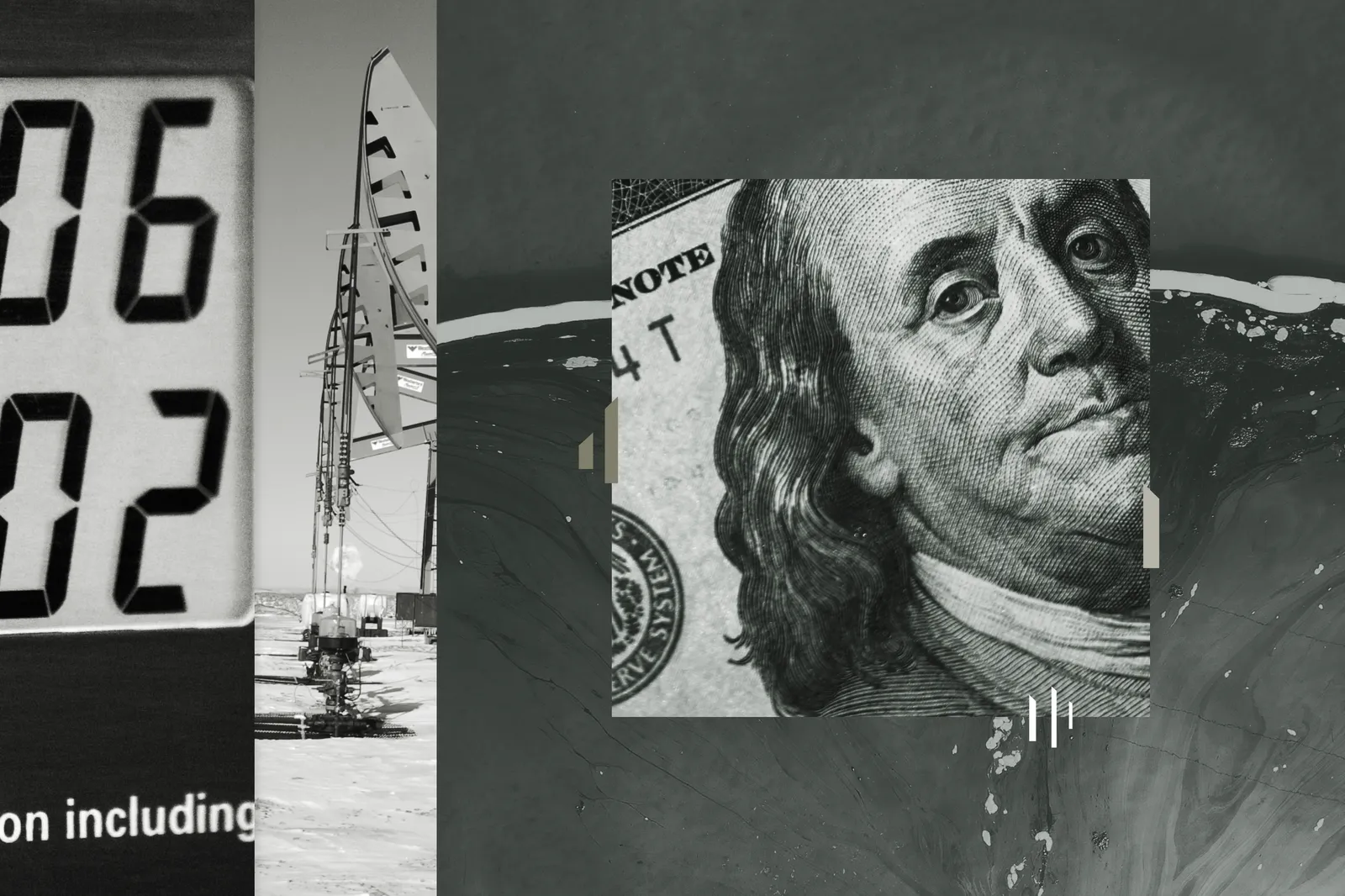
A POLITICO analysis of new POLITICO Poll results matched respondents' answers against OPIS granular gas-price data. The mismatch between perceived and actual gas increases is influencing how 46% say they will vote in November, straining Republicans and strengthening Democrats' economic argument.
Gas prices are high. But in voters' heads, they are even higher. According to a POLITICO analysis of new results from The POLITICO Poll, three in five Americans believe gas prices in their area have risen by more than they actually have. That perception gap is not a trivia detail for political nerds. It is the thing candidates will run against this fall, because what voters think they pay at the pump often matters more than what the pump actually charged.
The key number: a plurality of Americans, 46%, say the change in gas prices will impact how they plan to vote come November. And the POLITICO Poll finds most voters overestimated the change in gas prices in their area. The analysis relies on granular pricing data provided by OPIS, a Dow Jones company that tracks gas prices. POLITICO compared each respondent’s bucketed answer (for example, “$1 to $2 higher per gallon,” “$1 to $2 lower per gallon,” or roughly the same) against the actual average cost of regular gas in their zip code during the first week Trump was in office and the week prior to the July poll, conducted by Public First from July 12 to July 15.
This is where the political math gets interesting: the overestimation is widespread, and it is not cleanly partisan in the way campaigns might hope. POLITICO reports that majorities of voters who supported President Donald Trump and also those who supported former Vice President Kamala Harris overestimated the increase in gas prices in their area. Roughly one in four Americans say gas in their local area has risen by $3.00 or more. But POLITICO’s analysis using OPIS data found that no zip code has actually seen that degree of change on average in the year and a half since Trump took office, as of early July.
So why does this matter to decision-makers? Because perceptions can move intent quickly, and they can also lock in narratives. The POLITICO Poll indicates that voters do not update their beliefs fast, even when prices change. The survey asked about gas prices in both May, when they were near their peak, and July, when they had dipped. The results were the same in both months. For context, the U.S. Energy Information Administration data POLITICO cites shows the average price of gas across the country reached $4.50 per gallon in mid-May, the highest point of the Trump administration to date. In July, average prices dipped to $3.78 per gallon, the lowest average price since March. Yet more than 75% of Americans in POLITICO’s polls said gas prices had gone up in both months, and in both months roughly 23% said prices had gone up by $3.00 or more.
If you are a strategist, the takeaway is brutal: you cannot assume that a price dip will automatically soften the story people tell about their monthly budgets. That is especially true when the economy already feels worse. Across the country, 57% of Americans say the cost of living is worse than they “can ever remember it being.” POLITICO reports that those who overestimate gas price increases have more than twice the odds of agreeing with that statement, even after controlling for demographics and their 2024 vote. Similarly, a plurality of Americans, 43%, blame Trump more than former President Joe Biden for the state of the economy overall, and overestimators of local gas price increases have nearly twice the odds of saying the same compared with those who perceived the change correctly or underestimated it.
Within the Republican coalition, POLITICO also identifies fractures that campaigns cannot wish away. It shows a divide among Trump voters: self-identified MAGA Republicans were more likely to underestimate cost increases than non-MAGA Republicans. In other words, even within the president’s base, people are not aligning on the pain they feel at the pump. That creates a risk for Republican candidates who must campaign in an environment where their voters' experiences are not uniformly interpreted. POLITICO includes a quote from Arizona GOP strategist Barrett Marson: “It is a particularly tough dance that many Republican candidates will have to endure for the next three months,” he said. “How do you feel the pain of your voters without feeling the wrath of Donald Trump?” Marson also argues that Democrats are “highly motivated,” and that “the longer the war goes on, probably the less motivated Republicans will be.”
The story’s political center of gravity is the war with Iran and energy markets. POLITICO reports that roughly 63% of Americans selected “the war with Iran” as the primary reason why gas prices have increased since Trump took office, including 59% of Trump voters and 70% of Harris voters. At the White House, Taylor Rogers, a White House spokesperson, offered a different frame. POLITICO includes Rogers saying, “President Trump and his energy team anticipated these temporary market disruptions, communicated them openly to the American people, and implemented an aggressive plan to mitigate any impacts,” adding that as the U.S. military degrades the terrorist Iranian regime’s ability to attack commercial vessels and disrupt the free flow of energy through the Strait of Hormuz, “oil and gas prices will plummet back to pre-conflict levels.”
But POLITICO’s data suggests that even if prices later come down, the emotional temperature might not reset. That matters because the poll indicates gas price frustration is already affecting electoral intentions. Of the 46% of Americans who said gas prices will have an impact on their vote, just under 40% said they are considering voting for a different party than they normally would. That includes 49% of MAGA Republicans and 57% of non-MAGA Republicans. Meanwhile, POLITICO cites longtime Democratic strategist Jesse Ferguson saying, “Three quarters of the country is confronting higher gas prices and feeling it,” which “leaves them... very vulnerable to the economic pain and very vulnerable to the economic argument the Democrats are going to make.”
This effect is also landing in specific battleground districts where local gas increases have been higher than the national average. POLITICO’s analysis says 13 of the most competitive districts have experienced gas price increases higher than the national average, and nine of those are currently represented by Republicans. In California’s 22nd District, for example, where Republican incumbent Rep. David Valadao will face progressive political newcomer Randy Villegas, 17 by early July, the third highest increase among districts. Villegas told POLITICO in an interview that he thought frustration over gas prices would mobilize turnout, describing the way the cost of gas is “tied to every other thing,” including groceries, doctor visits, and even long drives to find cheaper health care. Valadao did not respond to requests for comment.
In Colorado’s 8th District, where gas prices have risen by $0.73 on average since Trump took office, Republican incumbent Rep. Gabe Evans blamed local Democratic policies more than the Iran war, arguing that high gas prices are “a direct result of the local economic policies - the anti-energy policies - of the state Democrats who run the state of Colorado.” Yet POLITICO’s own poll results show voters are more likely to point to “the war with Iran” as the primary reason for gas increases.
For executives and board-level decision-makers watching politics as risk, this has a straight business implication: economic narratives are becoming more untethered from spot reality. When voters’ perceptions are consistently overstated and resistant to update even when prices change, campaigns can lock onto themes that keep resonating. And when 46% say gas will impact their vote, those themes can translate into policy outcomes, regulatory posture, and funding priorities that move well beyond politics. In other words, the market can dip from $4.50 to $3.78, but if the public still feels $3.00-plus increases everywhere, the political system will still treat the pain as persistent.
This story's Key Insights and Take-aways are locked.
Create a free account to unlock Executive Actions for one credit.
Register to UnlockAlways free for Executives Club members. Join the Club
More in Politics
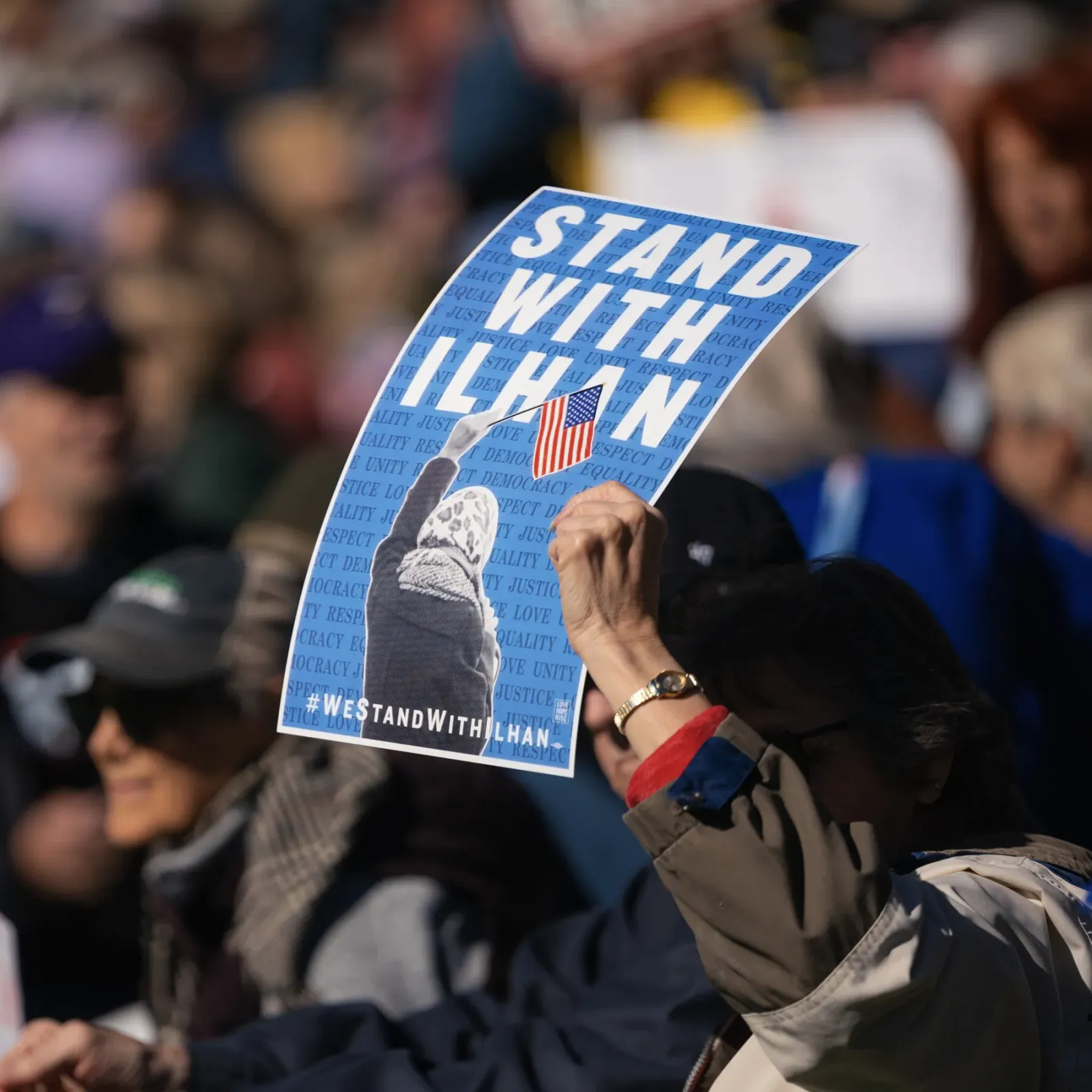
Obama Defends Ilhan Omar After Agents Search Her Home in Trump Inquiry
The former president's intervention raises the stakes in a federal probe into immigration paperwork that has put a prominent progressive lawmaker in the crosshairs.

Blair-era minister: cut welfare to fund youth job support
Alan Milburn's call for welfare cuts to fund employment support opens a Labour fight over benefits and the Neet crisis.
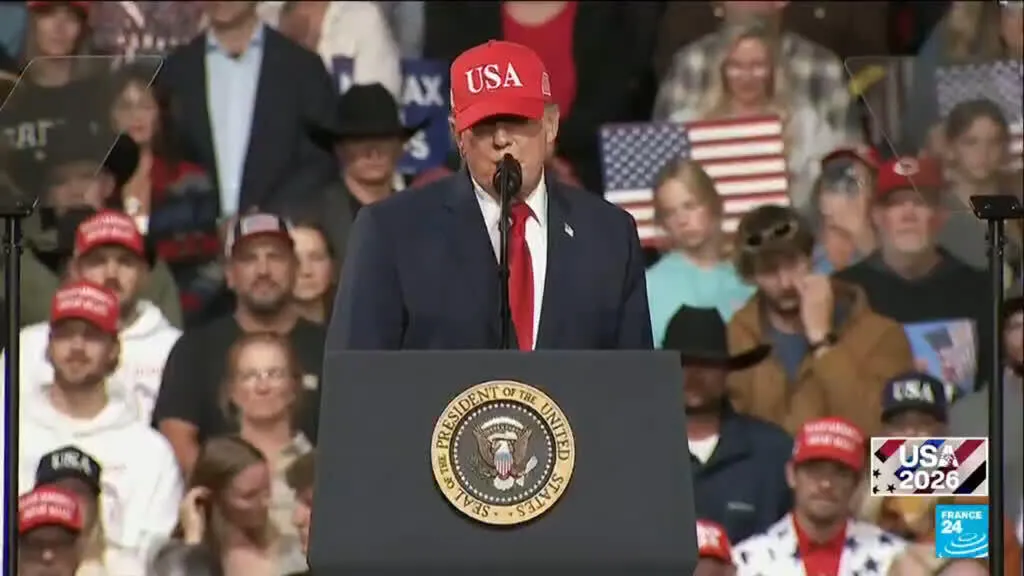
Hot September CPI: energy costs surge, voters feel the squeeze before midterms
The latest inflation print lands as Trump campaigns for GOP control of Congress, putting cost-of-living worries at the center of the midterm fight.