
70% of Americans oppose AI data centers. They still use chatbots daily.
The AI boom's biggest political problem: voters love the product, hate the infrastructure. Here's how Trump and both parties are navigating the backlash.
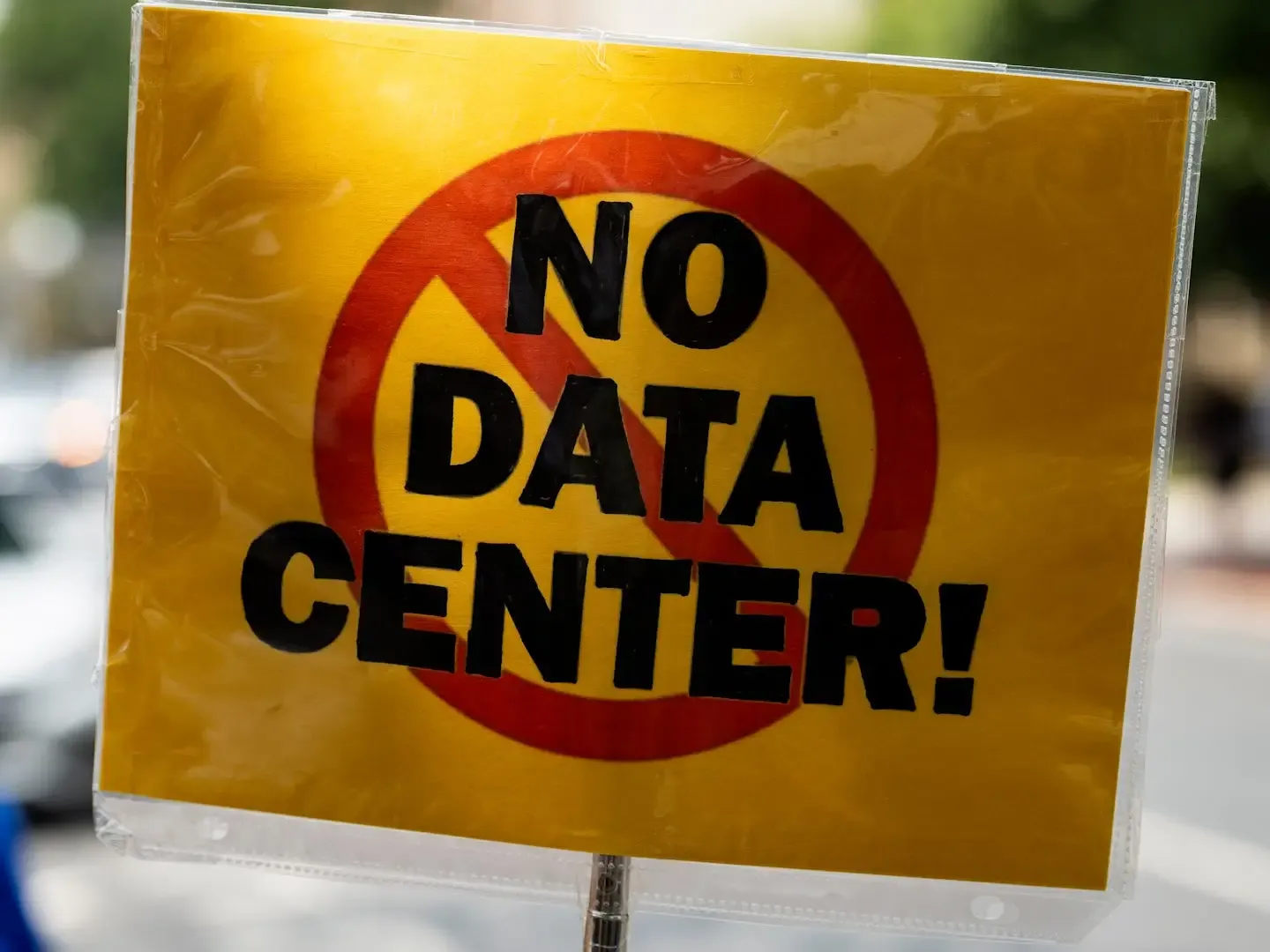
More than half of Americans used an AI chatbot in July, yet 70% oppose building data centers in their communities, creating a political paradox for the Trump administration and both parties. The disconnect is shaping midterm races and forcing governors to reverse course on data center development.
Americans have a complicated relationship with artificial intelligence: more than half used an AI chatbot in July, according to Morning Consult, yet 70% oppose building the data centers that power those tools, per a Gallup poll from May. That gap is the central political challenge of the AI boom, and it's already reshaping races and regulatory fights ahead of the midterms. The numbers are stark, and they are not lost on the White House.
The disconnect is not lost on the White House. President Trump has publicly embraced data centers, warning communities that resisting them risks being 'backwards and poor,' but a senior White House official told POLITICO that Trump sees the polling and has been told directly that public opinion is a problem. The official acknowledged data centers have become 'a big topic of conversation when it comes to midterms' and said Trump wants to make the case for their economic and national security benefits while recognizing that voters have 'real concerns' about their impact. Trump has even admitted the industry may need 'a little public relations help.'
The tension is playing out in concrete ways. In Hood County, Texas, where Trump won more than 80% of the vote in 2024, residents packed meetings to oppose a proposed 862-acre data center known as Fort Spunky, which sought 100 megawatts of electricity and projected using up to 20,000 gallons of water per day. Commissioners revoked the approved plan 3-2. Similar opposition has pushed governors from both parties to reverse course: Pennsylvania's Josh Shapiro, a Democrat who once courted billions in data center investment, now requires tougher transparency and local approval; Texas's Greg Abbott issued directives and a temporary pause on development.
The administration is moving ahead anyway. The EPA proposed eliminating federal notice and comment requirements for certain 'minor' air pollution permits, which can include backup generators at data centers. An executive order creates a fast-track permitting regime, directs the Energy Department to identify federal lands for siting, and asks FERC to consider new interconnection rules. The White House insists data centers will pay for their own power and water, but environmental groups worry communities will lose their voice in the process. Trump has cast the build-out as a national security imperative to stay ahead of China, yet even he acknowledged the industry's image problem.
Experts say the resistance is about real costs, not just NIMBYism. Ben Green, a University of Michigan professor, argues that 'data center resistance is a matter of people responding to real material costs and political realities,' citing electricity rates, water use, and the relatively small number of permanent jobs some facilities create. Republican consultant Mike Madrid sees 'no political downside' for politicians who oppose data centers, calling them a tangible target for anxieties about technological change, concentrated wealth, and corporate data collection. That intensity has led some once-eager supporters to flip, and it is making data centers a litmus test in local races.
The paradox may not be as contradictory as it seems. Stephanie Justice of Americans for Responsible Innovation says using AI and wanting responsible infrastructure aren't opposites: 'AI is happening, and people need to be able to know how to use it and integrate it into their careers or daily lives. But they should also be able to have a say in how and where data centers are built.' The challenge for executives and policymakers is to bridge that gap before the backlash slows the build-out that AI's growth depends on. For now, the industry faces a future where the product is beloved but the factory is not - and that tension is only going to intensify as midterms approach.
This story's Key Insights and Take-aways are locked.
Create a free account to unlock Executive Actions for one credit.
Register to UnlockAlways free for Executives Club members. Join the Club
More in Business
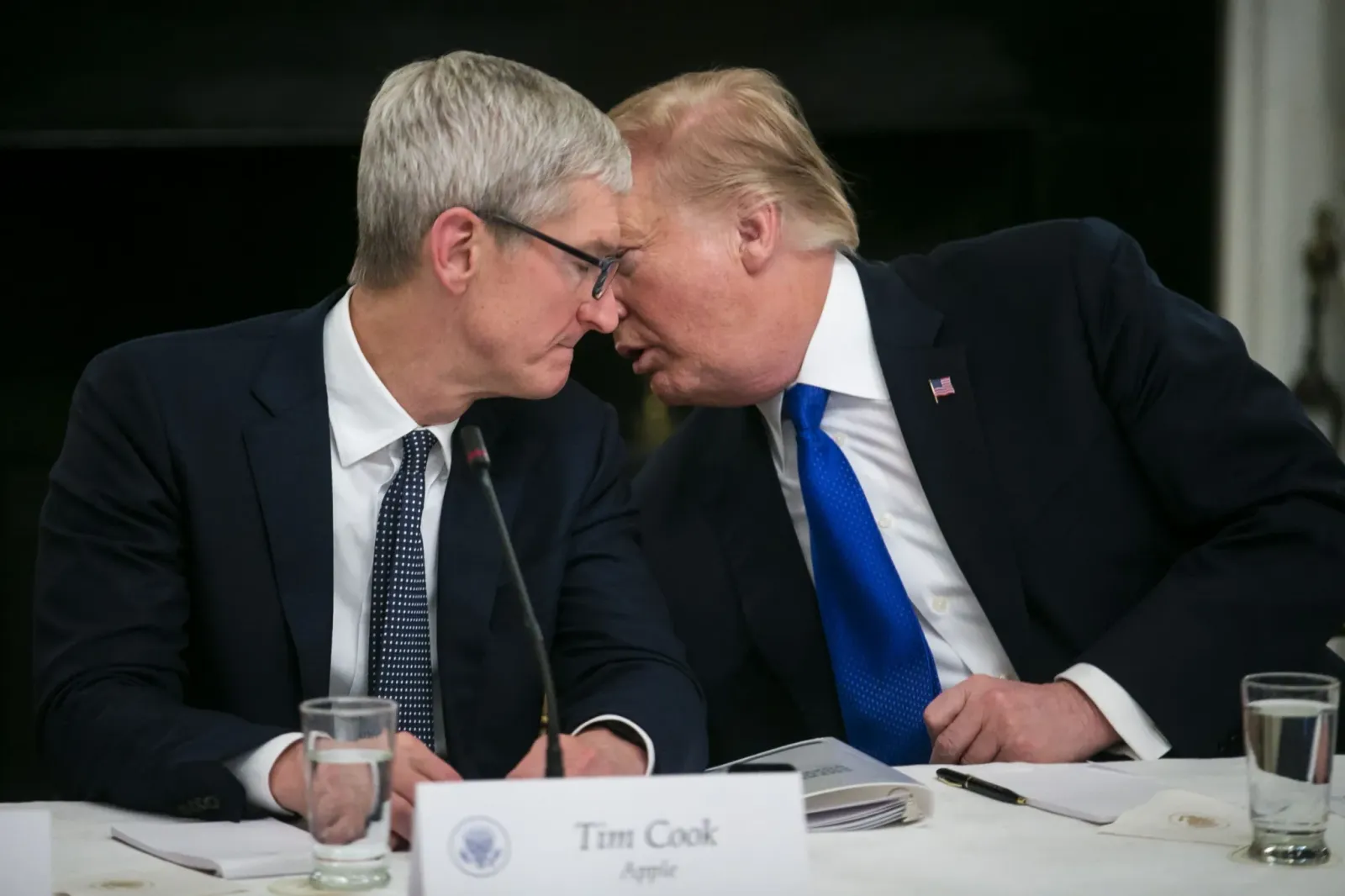
Tim Cook steps down as Apple CEO, stays on as chair with $45M equity
The 'Trump whisperer' keeps his White House and Beijing access as Apple navigates tariffs and a $4.6 trillion market cap.
Snowflake shares surge as AI data demand crushes estimates, lifting full-year forecast
Stocks jumped on stronger-than-expected guidance, signaling enterprise AI workloads are accelerating faster than Wall Street priced in.
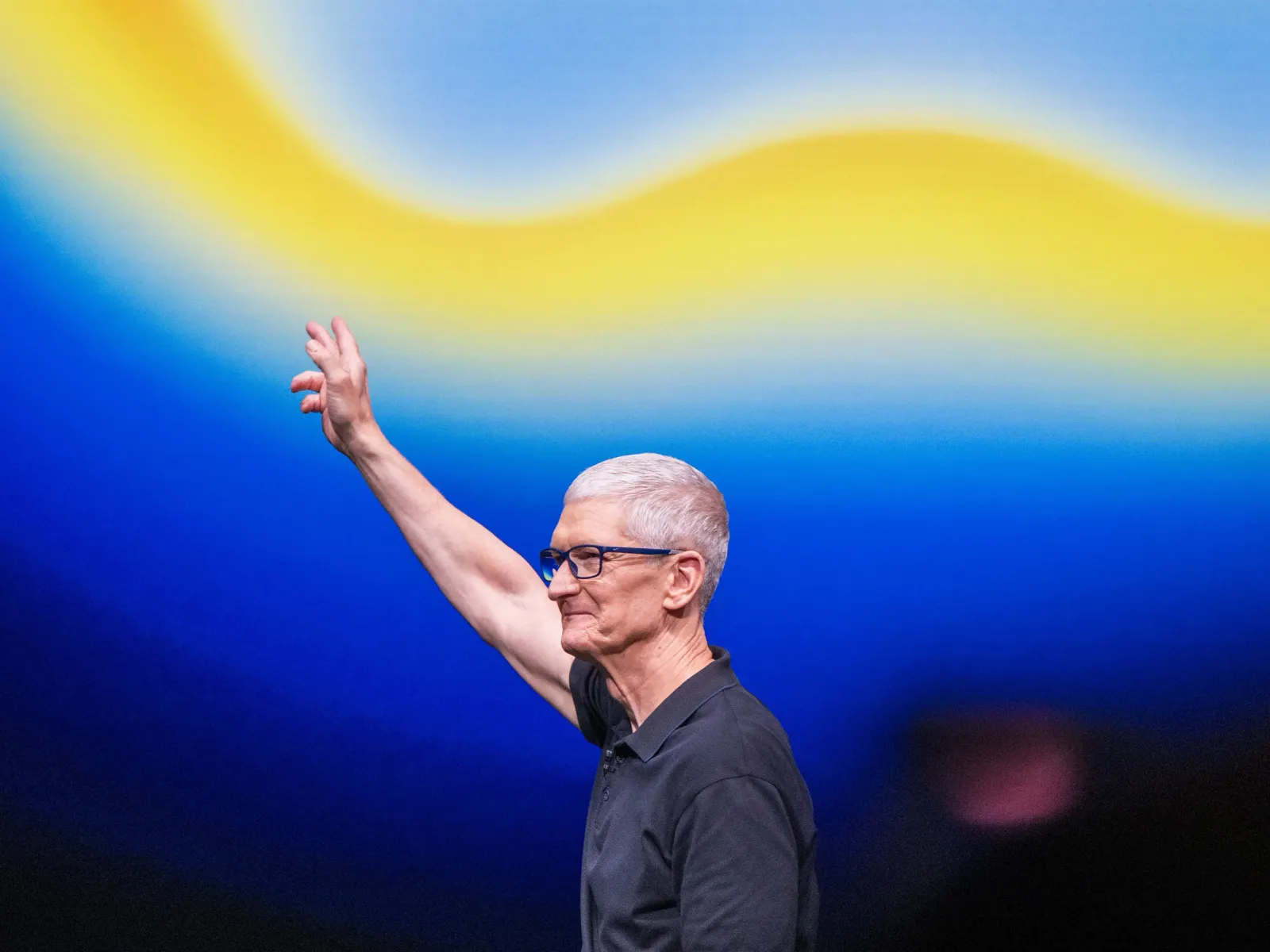
Tim Cook's 15-year Apple CEO run ends: 3 lessons for any successor
After 15 years, Tim Cook hands Apple to John Ternus - here's how he turned a $350B company into a $4.6T juggernaut.