
90.2% of IGN voters reject an all-digital PlayStation future starting 2028
Sony says it is following consumer trends, but the audience backlash suggests the optics are getting loud.
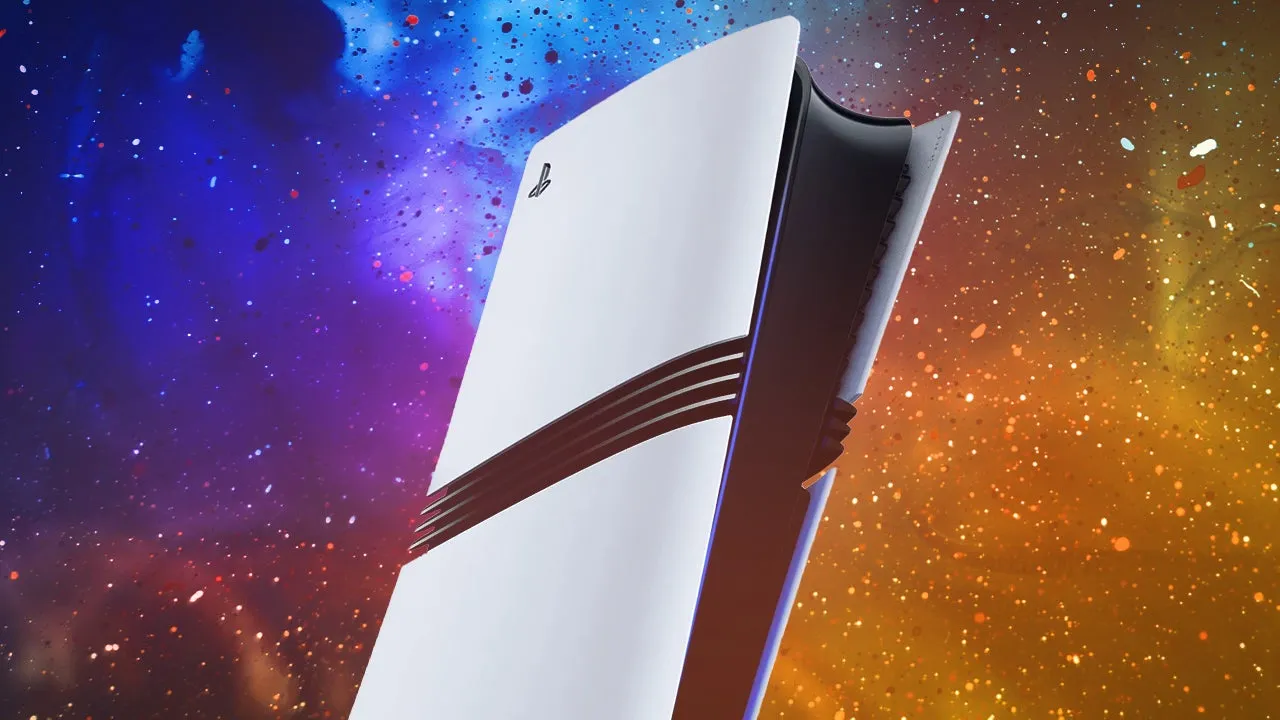
Sony plans to remove disc drives from PlayStation consoles starting in 2028, and an IGN poll shows overwhelming resistance to an all-digital future. For decision-makers, the move is a test of how fast monetization and operational incentives can outrun consumer sentiment and preservation concerns.
Sony sparked a backlash with its plan to kill game discs on PlayStation consoles from 2028, and IGN’s audience reaction is almost unanimous. In an IGN poll asking, “Do You Support an All-Digital Gaming Future?”, 13,000+ respondents have weighed in, and 90.2% said “no” versus 9.8% “yes.” That is not a rounding error, it is a public vote of distrust for a change the company frames as inevitable.
The reason executives should care is simple: Sony is unlikely to “U-turn” on this call. Reports in the story point out that analysts broadly expect PS6 to launch without a disc drive as well, and the broader market is reportedly moving in the same direction with the next-gen Xbox, codenamed Project Helix. Even if there are online petitions and a noisy corner of the internet calling for reconsideration, Sony’s stated rationale and the economics behind it line up too well to unwind easily.
So what is Sony actually saying it is doing, and why? Sid Shuman, Senior Director, Sony Interactive Entertainment Content Communications, explained in a post on the PlayStation Blog that the disc removal is “in response to shifting trends in consumer preference.” His language is centered on digital behavior already dominating: the “general preference for digital media significantly outpaces physical discs,” and the transition lets Sony “align more closely with how most of our community prefers to access and play games today.” The messaging is essentially: digital is already the default, and discs are becoming the exception.
That is where the debate usually turns from vibes into data. Piers Harding-Rolls, games industry analyst at Ampere, is cited in the piece with numbers showing how digital share has accelerated across generations. Ampere data says that when the PS4 launched in 2013, only 13% of Sony console full games unit sales were digital, counting digital-only games. By 2025, that digital share of full game purchases stood at almost 80% of the total. The implication is not subtle: Sony is betting that if you wait for consumer preferences to swing back, you will wait forever.
But the audience concerns raised in the source are the ones that typically matter in boardrooms even if they are hard to model. The article lists fears around choice, access to older physical games on new consoles, the ability to collect physical games, and game preservation. Those are not small issues for a portion of gamers who treat game libraries like personal archives, not temporary rentals. And yet, Harding-Rolls’ line is that purchases already show the direction of travel, and that physical’s role is declining.
Then there is the money problem, and it is one executives can’t ignore because it reaches straight into margins. The story notes that selling games digitally makes publishers more money than selling games in boxes, where publishers take about 50% of the sale price. Sony takes a 30% cut on PlayStation Store transactions, leaving 70% for publishers. When PlayStation shifts to 100% digital from 2028 onward, the game companies, including Sony, “will make more money overall from software sales.” That creates a rational incentive stack: digital reduces distribution friction, it typically lowers the “non-software” costs embedded in physical retail, and it improves revenue quality.
Operationally, the disc-drive decision is also framed as a cost-and-capability move. The piece says analysts believe the PS6 will launch late 2028, given PlayStation will ditch discs from January of that year. The article ties the disc removal to the idea of keeping the PS6 cheaper to produce amid the “RAMpocalypse fueled by the AI boom.” In plain English, fewer physical components and fewer moving parts can help manage bill-of-material pressures when the rest of the hardware cost curve is spiking.
Finally, the market may be voting with money even if fans are voting with petitions. The story says Sony’s share price enjoyed a bump following the announcement, suggesting the market is in favor of it, unsurprising given the company is theorized to make more money. It also includes a quote attributed to Robin Zhu, a games analyst at Bernstein, who told the Financial Times that fans of physical media “had their chance and blew it.” The core argument Zhu makes is that digital game sales have essentially 100% incremental margin, while physical involves package costs, shipping, and retailer margins that can be more than 20% of sticker price. Another implied logic is accountability through behavior: if physical buyers had been stronger, Sony would not have seen the digital ratios that justify the shift.
For executives at publishers, console competitors, or platform-adjacent services, the takeaway is not “fans are angry.” It is that platform strategy is now being pulled by two forces that reinforce each other: measurable consumer purchasing patterns and digital-first economics. If Sony is willing to absorb backlash with no clear exit ramp, other players will read that as permission to accelerate their own moves. And the next time someone proposes keeping a dual system longer, they will have to answer the same question: how long can sentiment outrun the margin math?
This story's Key Insights and Take-aways are locked.
Create a free account to unlock Executive Actions for one credit.
Register to UnlockAlways free for Executives Club members. Join the Club
More in Entertainment

Russell Brand's accuser 'bewildered and confused' as he denies 7 sex charges
The criminal case against the comedian is a live test of how media companies manage talent risk when serious allegations go public.

'It's a Magic Trick': Ballet Experts Say Rosalía's SNL Pose Is Impossible
Three ballet experts tell Rolling Stone Rosalía's gravity-defying SNL stillness shouldn't be possible - and why the debate is now part of the show.

Activision CMO: GTA 6 Will Boost Call of Duty, Not Bury It
Activision's top marketer says Rockstar's blockbuster will drive players back to consoles and into Modern Warfare 4, even as the company admits its recent strategy failed.