
A $60,000 Dodgers hedge shows prediction markets are now bespoke insurance
An LA restaurant group's Kalshi trade paid off when the Dodgers lost, and small businesses are flocking to prediction markets to hedge everything from playoff runs to cold fronts.
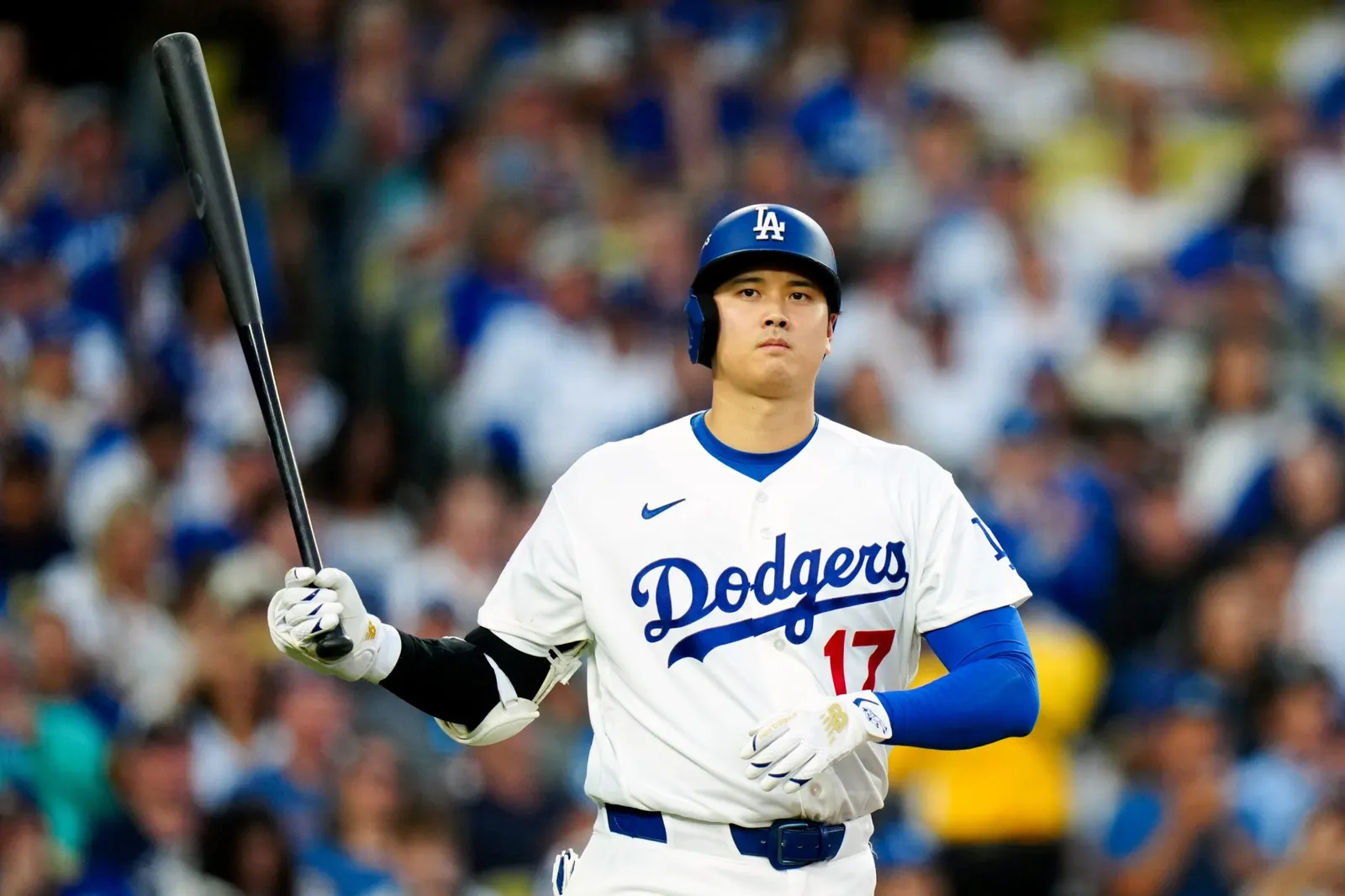
An unnamed Los Angeles hospitality group with 25 bars placed a $60,000 trade on Kalshi to offset revenue lost if the Dodgers failed to reach the World Series; the position returned nearly double when the team fell to the Brewers. The trade illustrates how prediction markets are evolving from sports betting alternatives into bespoke insurance tools for small businesses, with trading volume topping $80 billion across Kalshi and Polymarket.
A Los Angeles restaurant group just turned a $60,000 bet on the Dodgers' failure into a payout of almost twice that amount, and it's a sign that prediction markets are quietly becoming a form of bespoke insurance for small businesses. The unnamed hospitality group, which operates 25 bars including several near Dodger Stadium, placed the trade on Kalshi betting that the city's MLB team would not advance to the World Series. When the Dodgers lost the NLCS to the Milwaukee Brewers last week, the position returned almost twice the original stake, helping the business recover revenue it would have earned from playoff crowds.
That's not a gambling story; it's a risk-management story. Kalshi told Fortune the trade was designed to offset missed revenue, and Columbia law professor Joshua Mitts, who studies prediction markets and securities law, says the move is 'functionally quite similar to a form of bespoke insurance.' The restaurant group is one of a growing number of small businesses using prediction markets to hedge against real-world outcomes, from sports playoff runs to weather, as trading volume on these platforms doubled between May and July, topping $58 billion on Kalshi and nearly $22 billion on Polymarket, according to Pew Research Center data.
The pattern is spreading. In June, a New York City bar called The Jeffrey promised to cover every patron's tab up to $100 if the Knicks won an NBA Finals game, then placed a $5,000 bet on Kalshi that the underdog Knicks would win. The $13,500 payout covered the tabs and left the bar with an $8,500 profit. Last month, an unnamed third-party insurance company placed five trades on Kalshi that could pay out $3 million if LSU wins the national championship, matching the bonuses the school's football program would owe coach Lane Kiffin. And earlier this summer, a Los Angeles ice cream shop reported making up to $1,500, nearly half its monthly rent, by betting on when cold fronts would roll into town, hedging against slow demand.
The appeal is rooted in the mechanics of prediction markets. Dartmouth economics professor Eric Zitzewitz explains that sports-related markets are especially well-calibrated because there's so much data and repetition. 'There's so much data, there's so much repetition, there's so many games all the time that they can be very well-calibrated,' he told Fortune. Users pay fees, but they get fair underlying prices. The use case is most effective for yes-or-no outcomes, like weather or a game, rather than hedges based on private information, which could make a business owner a 'systematic loser' if a competitor has better intel, Mitts notes.
Prediction markets are surging partly because they're classified as financial exchanges, not gambling platforms, giving them looser regulations and fewer restrictions than sportsbooks. That regulatory arbitrage has drawn users, but it also creates risks. Mitts argues that the decentralized structure and evolving regulatory environment mean these platforms lack the guardrails insurers have to prevent fraud. 'We don't have a small number of companies who are state-regulated and who are doing things in very organized ways,' he said. 'This is a bit of a free-for-all.'
Platforms are catching on to the trend. In August, independent financial economist Lauris Zminsky launched Blanket in partnership with Kalshi, an AI engine that suggests specific yes-or-no markets to offset a risk for a specific business. 'It's a reasoning tool. It's a discovery tool that funnels you towards Kalshi,' Zminsky told Fortune. He envisions a self-service tool for any small business owner, not just the Kalshi team's insurance hedging initiative. Zitzewitz adds that prediction markets can also inform business decisions: an e-commerce retailer could look at trades on future Amazon credit card receipts as a forecast of consumer spending, 'probably a better signal for you than GDP growth,' he said, 'and it's certainly fresher.'
For founders and operators, the takeaway is that prediction markets are no longer just a novelty for political junkies or sports bettors. They're becoming a legitimate, if imperfect, tool for managing idiosyncratic revenue risk, especially in major metros where liquidity is deep. But the same features that make them accessible, low regulation and decentralization, also make them risky as a reliable insurance proxy. Businesses that experiment should treat them as a supplement to, not a replacement for, traditional risk management, and be mindful of the 'free-for-all' Mitts describes. The restaurant group's hedge worked, but the market is still young, and the guardrails are still being built.
This story's Key Insights and Take-aways are locked.
Create a free account to unlock Executive Actions for one credit.
Register to UnlockAlways free for Executives Club members. Join the Club
More in Business

Elon Musk unveils a flying car, and SpaceX helped build it
The Tesla CEO's showcase at a SpaceX facility signals a future where road and rocket engineering converge.

Apple's $2,000 iPhone Duo opens preorders, taking on Samsung and Google
Apple's first foldable hits the market at a premium price, reshaping a category Samsung and Google have led.

Pope Leo XIV, first American pope, diagnosed with lung cancer
The 71-year-old Chicago-born pontiff underwent successful surgery on his right lung, and his diagnosis raises new questions about his AI-focused papacy and the Vatican's future.