
A 69-year-old stroke survivor works full time to cover her husband's $5,000-a-month care
Carla Bacon, 69, is the sole caregiver for her bedbound husband while managing medical debt, insurance denials, and a full-time job in Oklahoma.
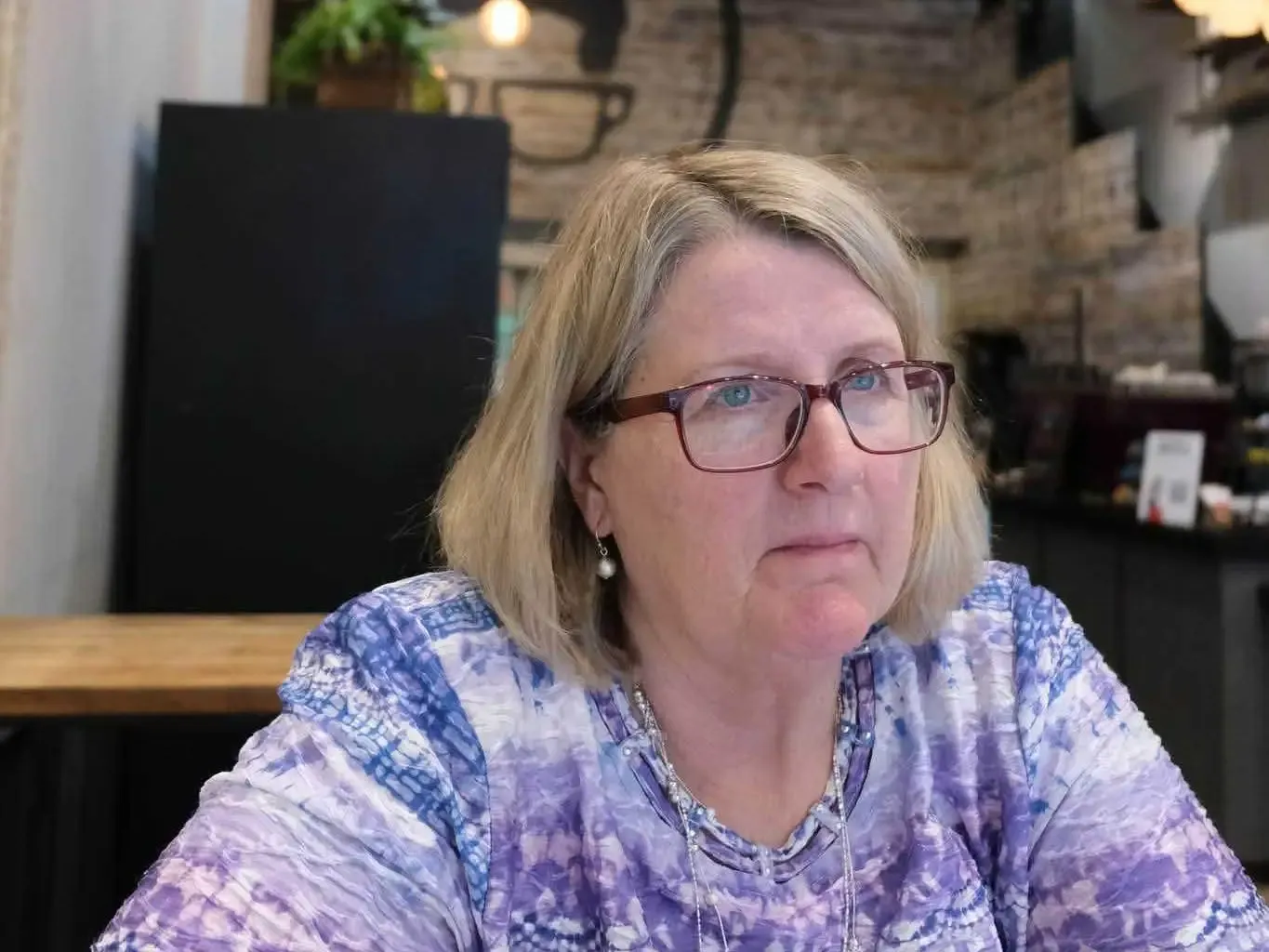
Carla Bacon, 69, a stroke survivor and full-time finance worker in Oklahoma, is the primary caregiver for her 70-year-old husband, who is bedbound after a severe stroke. She spends about $5,000 a month on a CNA plus $500 on supplies, costs his Social Security does not cover, while navigating Medicare denials and rebuilding after losing a job in DOGE cuts.
Carla Bacon, 69, is a stroke survivor working a full-time finance job in Oklahoma while caring for her 70-year-old husband, who is bedbound after a severe stroke. She pays about $5,000 a month for a certified nursing assistant, Monday through Friday, plus roughly $500 a month in medical supplies like diapers, wipes, and bedsore creams. His Social Security does not cover those costs, so Bacon went back to work to pay down medical debt and keep their credit cards current.
Bacon is not just a caregiver. She is also a stroke survivor herself. Four and a half years ago, she had a pontine hemorrhage while at work and was in the ER within 15 minutes. Her husband's stroke came two and a half years ago at his cabin in Durango, Colorado. He was life-flighted to a hospital with dim prospects of survival. Bacon drove 14 hours nonstop in a mobility van, sold his cabin to cover medical expenses, and brought him home to Oklahoma. He has lived with her since June 2024.
Her daily schedule leaves no room for a break. Monday through Friday, she wakes at 5 a.m., feeds the dogs, waters plants, and gets herself ready before waking her husband, giving him pills, changing him, taking his blood pressure, and helping him to the bathroom. She is at work by 8, returns at 4:30 p.m., and then starts the evening shift: dinner, cleaning, and getting him ready for bed. She sleeps by 9 with her phone nearby because he sometimes calls in the night. On weekends, she is the full-time caregiver, including bike therapy.
The financial strain is compounded by insurance. Her husband was initially in a skilled nursing facility in Enid, but the cost became too much after 21 days, and he hated it there. The therapy he received was not covered by insurance at all. They found an outpatient therapy facility a mile from home, and insurance approved it, but the copay is a couple of hundred dollars a month. His wheelchair took over 250 days for his Medicare plan to reimburse. Bacon, who studied healthcare systems and worked as a public health director, has fought denials repeatedly. "Denial is the norm," she says. She adds that she cannot imagine what the average person goes through.
Bacon's employment has also been unstable. She had found work with the National Guard in Oklahoma City but lost her job during the DOGE cuts. She then worked as an online tutor and was out of work for a while. Recently, she got hired again and is working in an office doing finance tasks. She is able to take two hours off during the day to accompany her husband to therapy and makes up the hours before or after work.
Despite the strain, Bacon remains optimistic about her husband's progress. He can stand up from his wheelchair, and they hope he can use a walker in six months. He has said from day one that she should have let him die, but she sees an inkling of hope slowly coming out. She is hoping they will not need a CNA by the end of the year. "Medicare just doesn't cut the mustard," she says. "Neither do any of the Medicare Advantage plans."
Bacon's story highlights a broader gap in the US long-term care system. Medicare's skilled nursing coverage is limited, and the couple's experience shows how quickly costs escalate after coverage ends. Home health therapists repeatedly marked her husband as not making progress, and many appeals got nowhere. For families without Bacon's background in healthcare systems, navigating these denials is even harder.
At 69, Bacon is thinking about the next five years. Her three children have made a pact to help at least once every three months with tasks she cannot handle, like mowing the lawn or trimming trees. Her stroke has left her weak, and she cannot haul heavy items. She operates on "a hope and a prayer." If she makes it to the five-year mark since her stroke in December, she will count herself incredibly lucky. "I'm looking forward to life and have the drive and willingness to keep pushing," she says.
This story's Key Insights and Take-aways are locked.
Create a free account to unlock Executive Actions for one credit.
Register to UnlockAlways free for Executives Club members. Join the Club
More in Business

Death sentence for TV presenter Sarah Khalifa: Egypt's drug case hits media
The sentencing of Sarah Khalifa and 11 others underscores the severity of Egypt's anti-drug laws and the exposure of public figures to capital punishment.

Tim Cook steps down as Apple CEO, stays on as chair with $45M equity
The 'Trump whisperer' keeps his White House and Beijing access as Apple navigates tariffs and a $4.6 trillion market cap.

Snowflake shares surge as AI data demand crushes estimates, lifting full-year forecast
Stocks jumped on stronger-than-expected guidance, signaling enterprise AI workloads are accelerating faster than Wall Street priced in.