

A blind man rode Tesla's Cybercab. His verdict: 'I'd buy one.'
After losing his sight five years ago, Gary Moss took Tesla's new driverless Cybercab in Austin and says the experience was 'so close' to restoring his independence.
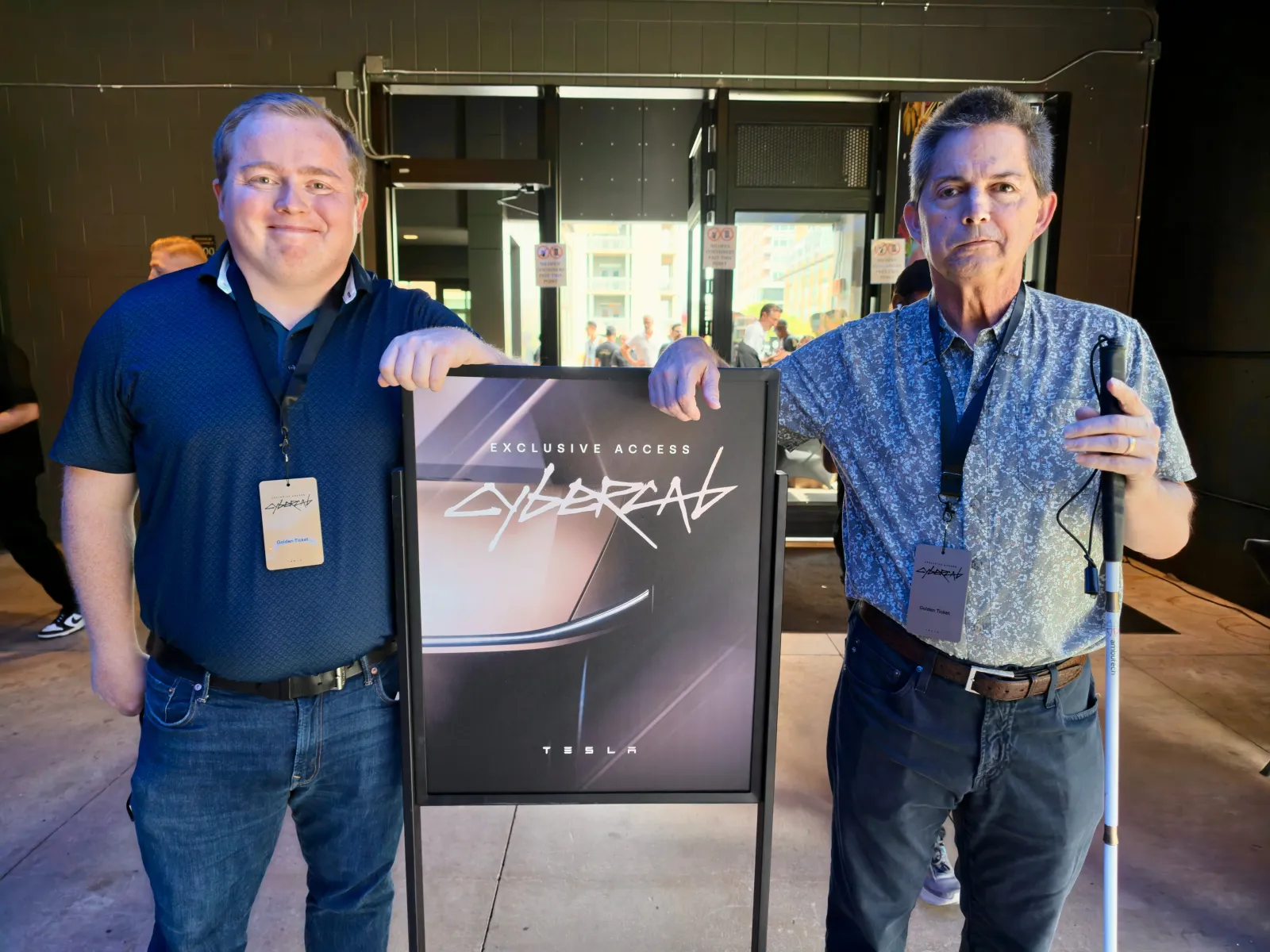
Gary Moss, a blind 62-year-old from Washington state, rode Tesla's new driverless Cybercab in Austin with his son and says he would buy one if it had a few accessibility upgrades. The feedback highlights a potential market for autonomous vehicles among people with disabilities, but also gaps in current tech like audible car identification and voice destination setting.
Gary Moss, 62, lost his sight nearly five years ago to a treatable but incurable brain cancer. Last week, he climbed into a Tesla Cybercab in Austin, Texas, took six rides, and came away with a clear message for the company: "I'd buy a Cybercab. I'd feel pretty lucky." The ride wasn't perfect, but for a man who once drove 30,000 to 40,000 miles a year for his business, it was the closest he's felt to freedom since going blind. His son, David Moss, a Tesla owner, helped him test the vehicle at Tesla's public launch event on Thursday.
The Cybercab is Tesla's two-door, steering-wheel-free robotaxi, unveiled to the public in Austin immediately after the event. For Gary, the first win was the doors. They open automatically, "like having the chauffeur open the door," he said. Tesla's regular flush handles are a struggle for him because they require a simultaneous thumb hit and grab. With the Cybercab, he steps in and out without fumbling. Inside, the cabin feels like a living room, he said. He sat in a comfortable seat, listened to music, chatted with his son, and didn't worry about the road. "Other people's driving scares me, but these cars don't," he added. The absence of a driver eliminated the sudden braking and last-second lane changes that make him nervous in human-driven cars.
The experience wasn't without friction, though. David noted that on a busy street with several Cybercabs, there were no audible cues to help his dad identify which car was theirs. Gary said he needs a way to know which vehicle he's walking up to. The pair also tested Grok, Tesla's AI voice assistant, and were surprised by how much voice control worked. They could ask where they were, how many miles remained, and the time. But David pointed out that his dad wouldn't be able to change or set the destination by voice alone. The ride-hailing app itself is a barrier, since it requires using a phone, and Gary can only operate his via voice activation. He imagines a future where he says, "Hey Siri or Grok, I need a cab to take me to the grocery store," and within minutes a car arrives, and he taps a button and goes. He also wants the car to announce not just that it's arrived, but to give a brief summary of where it's parked and, using cameras, describe the hundred feet between the car and the building's door.
David argued that many of these issues would vanish if his dad owned a Cybercab outright. If Gary could walk to his driveway and use Grok to command the car, the need for a phone app and external identification would disappear. Gary agreed, saying the experience is "so close to being everything I need right now." Tesla made the Cybercab available to the Austin public after the launch, and the Mosses took full advantage, hailing six rides. The father-son duo, who used to attend sporting events and navigate heavy-traffic areas together, now plan their outings around rides from David or friends. A driverless car that Gary could summon and direct on his own would change that.
The Cybercab's potential to serve people with disabilities is a major, often overlooked angle for autonomous vehicles. Traditional ride-hailing apps assume users can see and manipulate a smartphone. For the blind, that's a nonstarter. Tesla's voice-first interface, combined with a cabin designed for relaxation, opens the door to a market that's largely ignored. But the gaps Gary identified - audible car identification, voice-based destination setting, and environmental awareness - are not minor polish items. They're core to accessibility. If Tesla wants to win over this demographic, it needs to invest in those features.
For competitors like Waymo, which also operates robotaxis, the same accessibility questions apply. The race to autonomy isn't just about safety and cost; it's about who can make the experience usable for everyone. Gary's feedback is a practical checklist. Automakers that treat accessibility as a feature, not an afterthought, could capture a loyal and underserved customer base. And for regulators, this case underscores the need for accessibility standards in autonomous vehicle deployment, not just safety rules.
Gary's story also carries a human weight that data sheets can't convey. He used to find euphoria in driving on open freeways, a feeling he compared to a 10-mile run. Now he relies on his cane, his son, and the kindness of friends for rides. The Cybercab offered a glimpse of what he lost - and what he could regain. "If I could just say a few words and a cab showed up, I can't believe the options that I'd have," he said. That's the promise of autonomy, and Tesla's first public test with a blind rider shows both the potential and the distance left to go.
This story's Key Insights and Take-aways are locked.
Create a free account to unlock Executive Actions for one credit.
Register to UnlockAlways free for Executives Club members. Join the Club
More in Business

Death sentence for TV presenter Sarah Khalifa: Egypt's drug case hits media
The sentencing of Sarah Khalifa and 11 others underscores the severity of Egypt's anti-drug laws and the exposure of public figures to capital punishment.
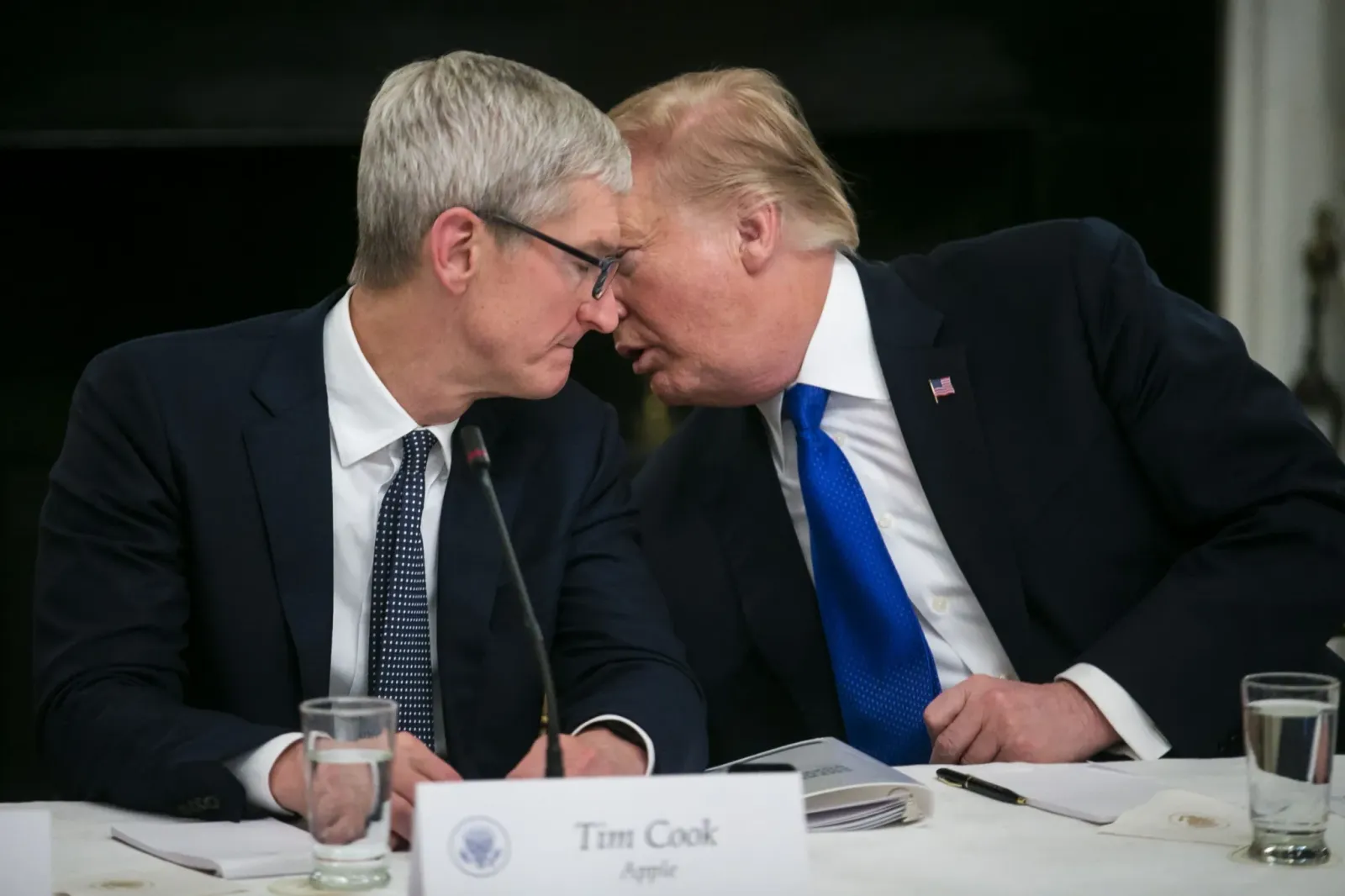
Tim Cook steps down as Apple CEO, stays on as chair with $45M equity
The 'Trump whisperer' keeps his White House and Beijing access as Apple navigates tariffs and a $4.6 trillion market cap.
Snowflake shares surge as AI data demand crushes estimates, lifting full-year forecast
Stocks jumped on stronger-than-expected guidance, signaling enterprise AI workloads are accelerating faster than Wall Street priced in.