
A Year Into Turnaround, Novo CEO Says Investors Still Underestimate Drug Pipeline
As the GLP-1 market heats up, Novo Nordisk's chief insists Wall Street is missing the full value of its weight-loss and diabetes portfolio.
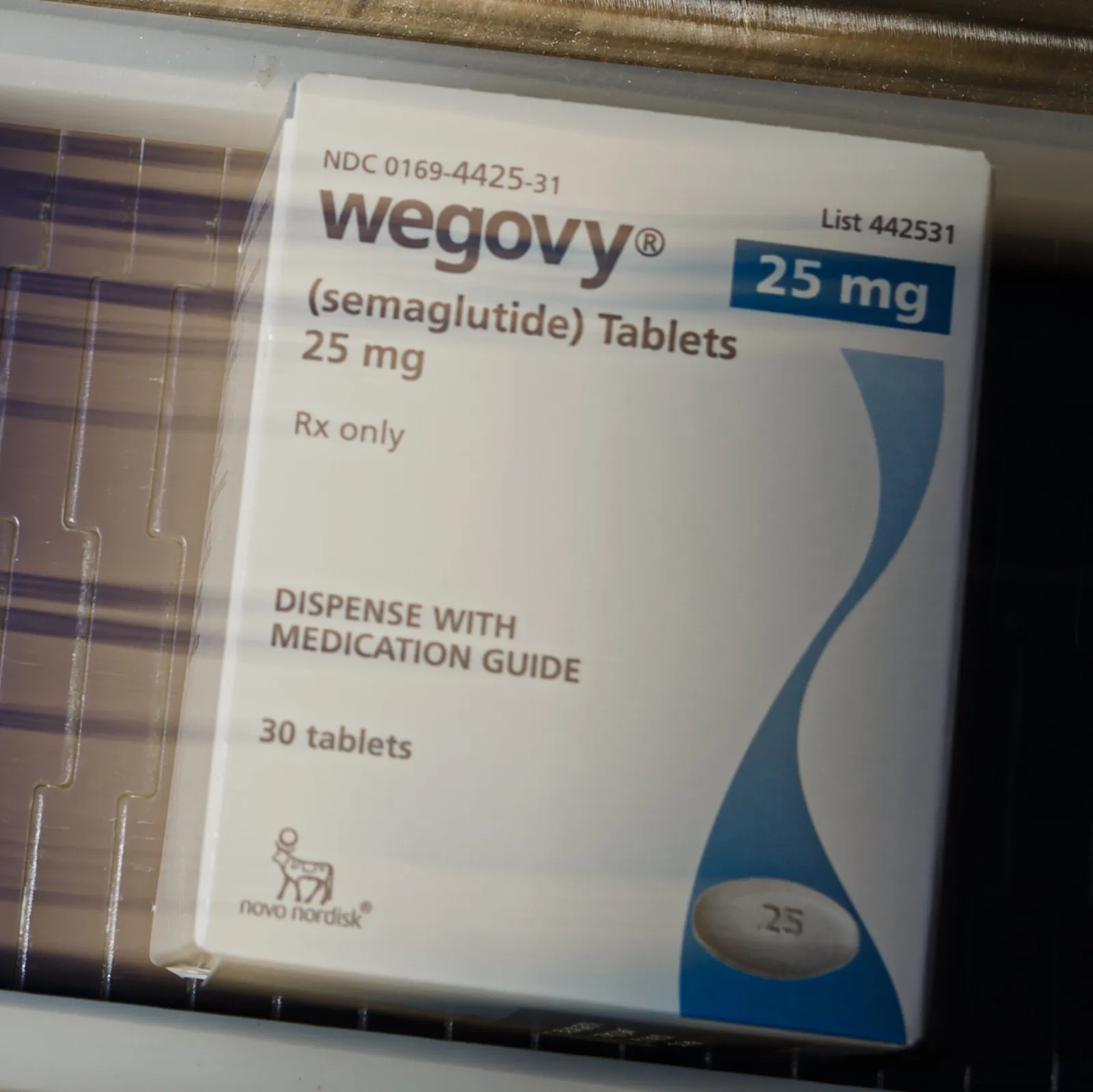
Novo Nordisk CEO Mike Doustdar, one year into a corporate turnaround, told investors they are underestimating the promise of the company's drugs. The consequence: the market may be mispricing Novo's shares, creating both risk and opportunity for investors watching the weight-loss drug race.
Novo Nordisk's chief executive, Mike Doustdar, marked his first anniversary at the helm by delivering a pointed message to the investment community: you are still underestimating what this company's drugs can do. In remarks that underscore the confidence of a leader in the middle of a turnaround, Doustdar said investors have not fully priced in the promise of Novo's pipeline, particularly as the company continues to expand its footprint in the booming GLP-1 market. The statement comes at a pivotal moment, with the weight-loss drug sector facing intensifying competition and questions about long-term growth.
The Danish pharmaceutical giant has become a household name thanks to Ozempic and Wegovy, its blockbuster treatments for type 2 diabetes and obesity. These drugs belong to the GLP-1 class, which has revolutionized metabolic care and turned Novo into one of Europe's most valuable companies. But the market is no longer a one-horse race. Eli Lilly's Zepbound and Mounjaro have carved out significant share, and a wave of oral and next-generation candidates from multiple players threatens to erode Novo's early lead. Despite this, Doustdar's message suggests he believes the market is overly focused on near-term competitive threats rather than the long-term potential of the company's research and development efforts.
Doustdar took over a company that, despite its commercial success, faced challenges: supply constraints, pricing pressures, and the looming threat of patent expirations. His turnaround strategy, while not detailed in his latest comments, appears to focus on broadening the portfolio beyond the current blockbusters, investing in new formulations, and expanding into additional indications such as cardiovascular disease and chronic kidney disease. The CEO's assertion that investors are underestimating the promise likely refers to these pipeline assets, which could open up new markets and extend the company's growth runway well beyond the current generation of drugs.
Investor skepticism is not unfounded. The GLP-1 market is projected to grow to tens of billions of dollars, but the competitive landscape is intensifying. Analysts have questioned whether Novo can maintain its pricing power and whether the company's next-generation drugs will deliver the same blockbuster results. Doustdar's comments may be an attempt to reset expectations, signaling that the company has more levers to pull than the market currently credits. For investors, the question is whether to trust the CEO's optimism or heed the cautionary signals from the competitive dynamics. The stock has been volatile, and any positive data from late-stage trials could trigger a re-rating, while a miss could widen the credibility gap.
For executives and board members across the pharmaceutical and biotech sectors, Doustdar's remarks serve as a reminder that leadership confidence can be a leading indicator. When a CEO publicly pushes back against market sentiment, it often precedes strategic moves such as acquisitions, pipeline updates, or clinical trial readouts. Novo's next 12 months will be critical, with several key data readouts and regulatory decisions expected. If the CEO is right, investors who listened will be rewarded. If he is wrong, the stock has further to fall. Either way, his comments have set the stage for a high-stakes year at Novo Nordisk.
The weight-loss drug boom has captured the imagination of investors and the public alike, with drugs like Wegovy becoming cultural phenomena. But the real battle is being fought in laboratories and clinical trials, where the next generation of treatments is being developed. Novo's pipeline includes oral versions of its drugs, which could expand the market to patients who avoid injections. The company is also exploring combinations and new mechanisms that could offer better efficacy or fewer side effects. These are the 'promises' Doustdar likely refers to, and they are not yet reflected in the current valuation. The company has also been investing heavily in manufacturing capacity to address supply shortages that have plagued the category, a move that could solidify its position as demand continues to surge.
In the broader context, the GLP-1 race is not just about obesity; it is about the future of metabolic medicine. Novo's leadership in this space gives it a platform to shape that future, but only if it can execute on its pipeline. Doustdar's public confidence is a calculated bet, one that will be tested by clinical results, regulatory approvals, and the competitive response from Eli Lilly and others. For now, the CEO's message is clear: the market's view of Novo is too narrow, and the company's best days are still ahead. Whether that proves true will depend on the science, the strategy, and the execution in the coming quarters.
This story's Key Insights and Take-aways are locked.
Create a free account to unlock Executive Actions for one credit.
Register to UnlockAlways free for Executives Club members. Join the Club
More in Business
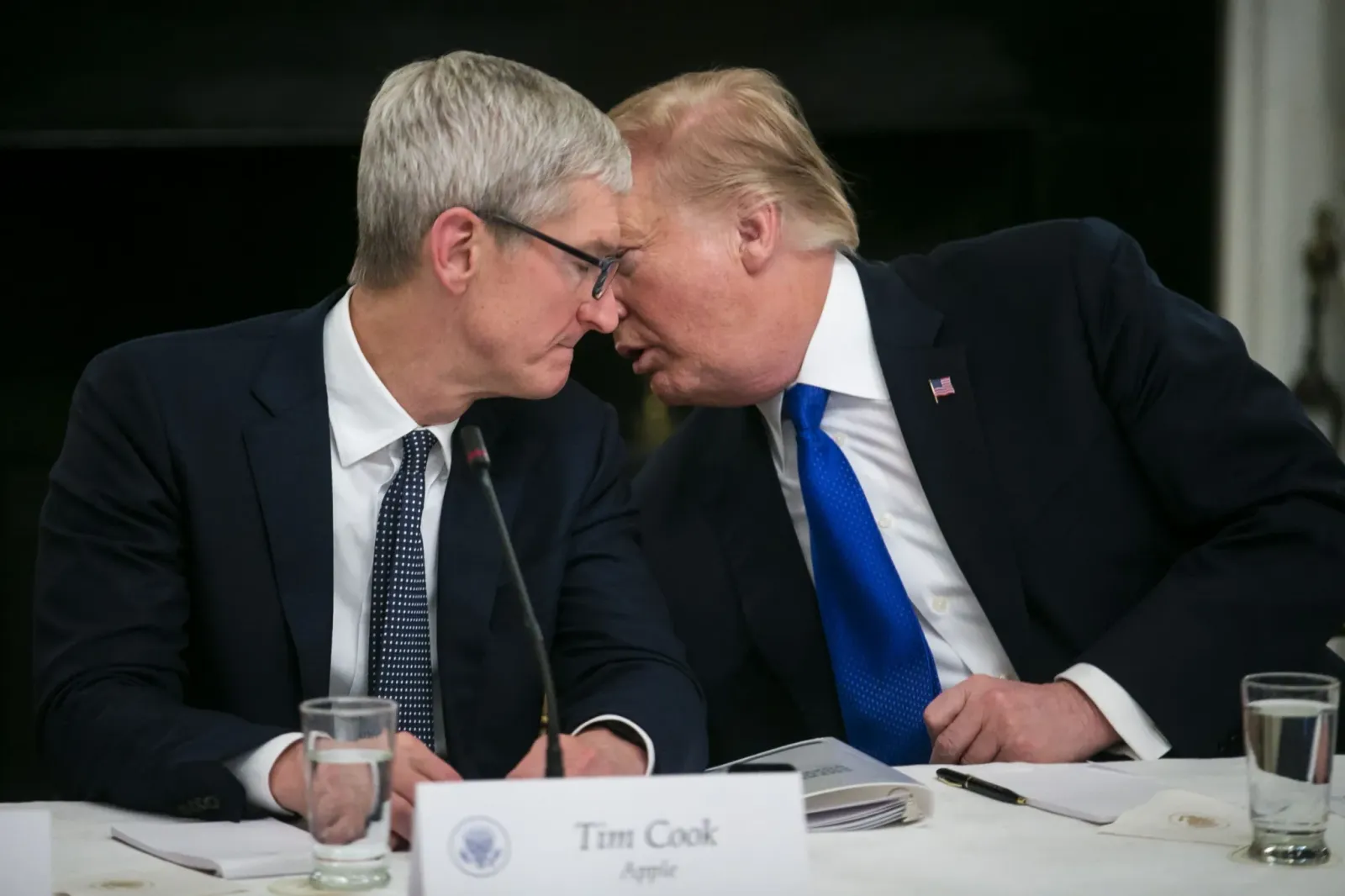
Tim Cook steps down as Apple CEO, stays on as chair with $45M equity
The 'Trump whisperer' keeps his White House and Beijing access as Apple navigates tariffs and a $4.6 trillion market cap.
Snowflake shares surge as AI data demand crushes estimates, lifting full-year forecast
Stocks jumped on stronger-than-expected guidance, signaling enterprise AI workloads are accelerating faster than Wall Street priced in.
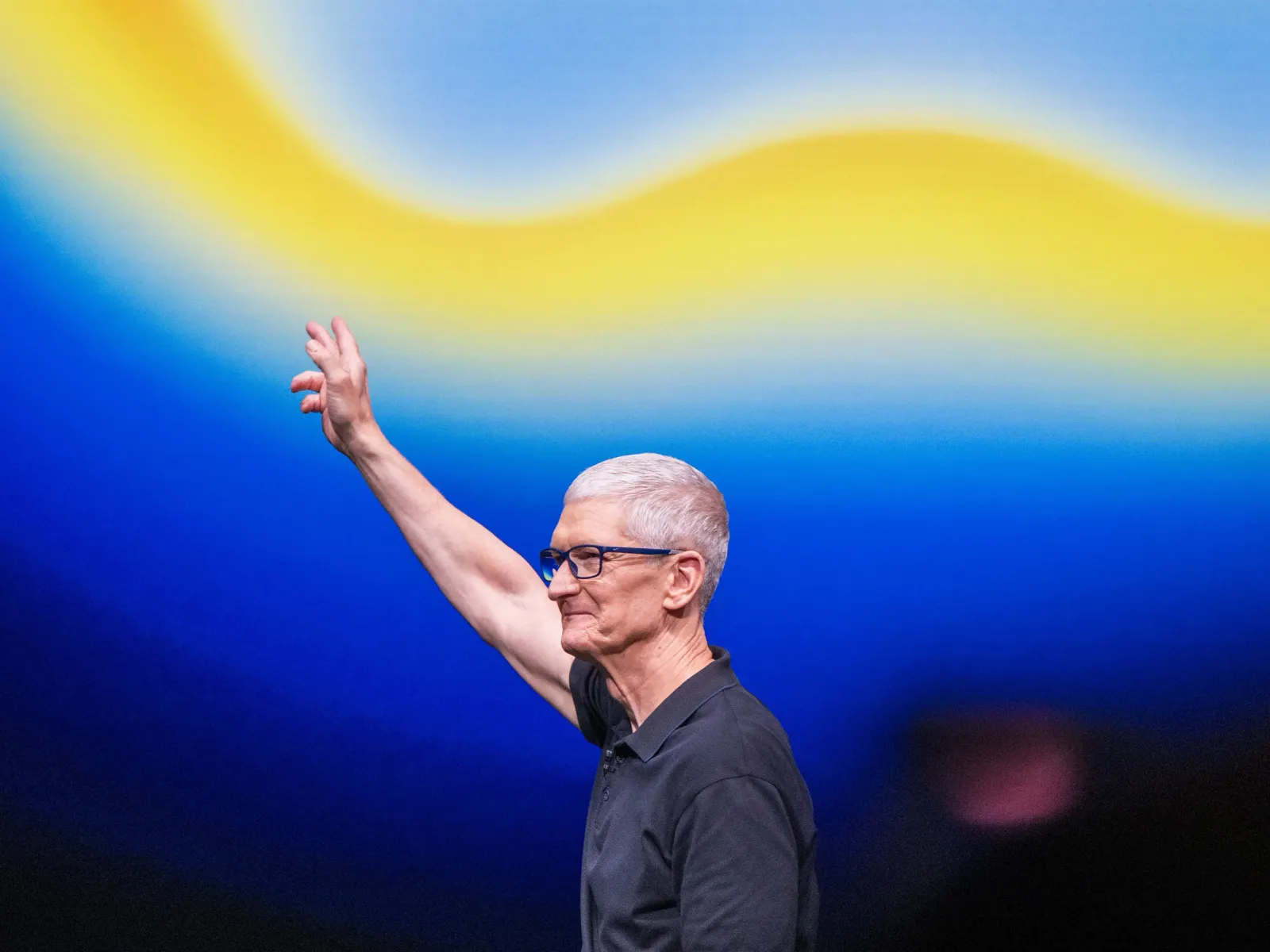
Tim Cook's 15-year Apple CEO run ends: 3 lessons for any successor
After 15 years, Tim Cook hands Apple to John Ternus - here's how he turned a $350B company into a $4.6T juggernaut.