

a16z-backed Base Power avoids PJM grid bottlenecks by moving batteries to homes
Instead of waiting in interconnection queue, Base Power sells backup and grid services where capacity is actually needed.
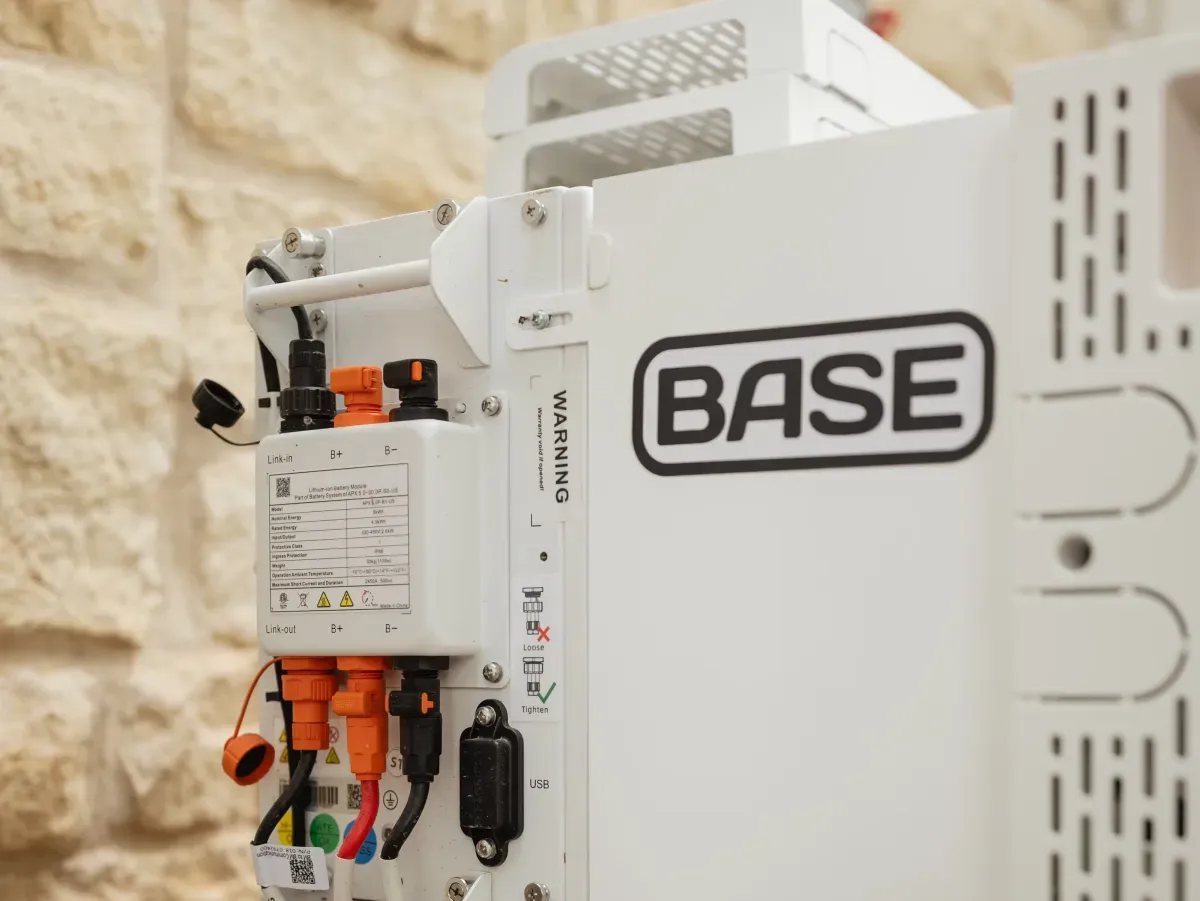
a16z-backed Base Power is offering cheaper electricity to the power grid that needs it most by placing batteries at people’s homes rather than queuing for connections. For decision-makers, the model pressures utilities and developers to rethink where and how grid flexibility gets deployed.
Base Power is taking aim at a specific grid headache: the PJM interconnection queue. Rather than waiting for formal approval and connection timelines, the a16z-backed company is placing its batteries at people’s homes, then offering backup services as part of the deal.
That shift is the entire strategy in plain English. PJM, a major U.S. power region, has had trouble with the interconnection process, meaning new supply, storage, and grid resources can face long delays before they can reliably plug in and help. Base Power sidesteps that bottleneck by showing up at the edge of the grid first, using customer locations instead of betting everything on queue position.
To understand why this matters, you have to separate two different problems that often get blended together. The first is “can the resource connect,” which is largely a regulatory and planning question that depends on queue rules, study timelines, and system constraints. The second is “is flexibility needed right now,” which depends on real-time and near-term grid needs, like balancing demand, managing intermittency, and providing backup when conditions tighten. The interconnection queue delays usually slow down the first problem, even if the second problem is already getting worse.
Base Power is trying to resolve the mismatch. By putting batteries at homes, it can deliver value without waiting for the same pathway that centralized projects typically rely on. The company’s offering of backup services in exchange for participating household arrangements also changes the customer value proposition. It is not just a passive grid asset. It is connected to a tangible consumer benefit, which can improve adoption economics when compared with purely utility-only programs.
This is also where the “cheaper electricity” headline becomes strategically important. While the source does not provide specific pricing numbers, the direction is clear: the grid “that needs it most” is supposed to get lower-cost support where it is constrained, rather than paying time and overhead costs that come with queue congestion and delayed deployments. In grid infrastructure, time is money, and delays are a tax. If a new capacity resource cannot interconnect when the system needs it, the value erodes. Base Power’s move is a bet that deploying storage closer to load and customers can shorten the path from idea to dispatch.
There is a second-order governance implication too. Interconnection queues are not just paperwork. They are where regulators, utilities, and developers allocate access to scarce grid capacity. When a new model routes around that queue by leveraging distributed siting, it can force stakeholders to revisit how they think about “which resources” should be prioritized, how compensation works for services, and how utilities balance reliability obligations with innovation in supply.
For other executives, the lesson is not that every storage project should go find homes. It is that the bottleneck is structural, and structural bottlenecks attract structural workarounds. If PJM interconnection delays keep trapping projects in limbo, platforms that can deliver grid services without waiting for the slow lane will become more attractive. Boards and investment committees should treat that as a competitive threat to development pipelines that assume conventional interconnection timelines.
This story's Key Insights and Take-aways are locked.
Create a free account to unlock Executive Actions for one credit.
Register to UnlockAlways free for Executives Club members. Join the Club
More in Technology

Nvidia's $89B data center quarter: the 9 companies cashing in
The AI buildout is minting fortunes beyond GPUs, and memory, cloud, and cooling suppliers are riding the same wave.

Google quietly links your phone number to every Android account on your SIM
Adding a SIM now ties your phone number to all Google accounts - and future accounts inherit it. Here's the security and privacy stakes.

Hijacker AI 'Skynet mode' runs 100,000 attack steps against exposed models
Symantec caught a criminal AI agent that borrows other models, steals data, and mines crypto; the only relief is no confirmed victims yet.