

Aaron Sorkin's 'Social Reckoning' flops with $5.5M weekend
The follow-up to The Social Network is on track to lose tens of millions for Sony, proving that a famous writer and timely themes can't overcome weak reviews.
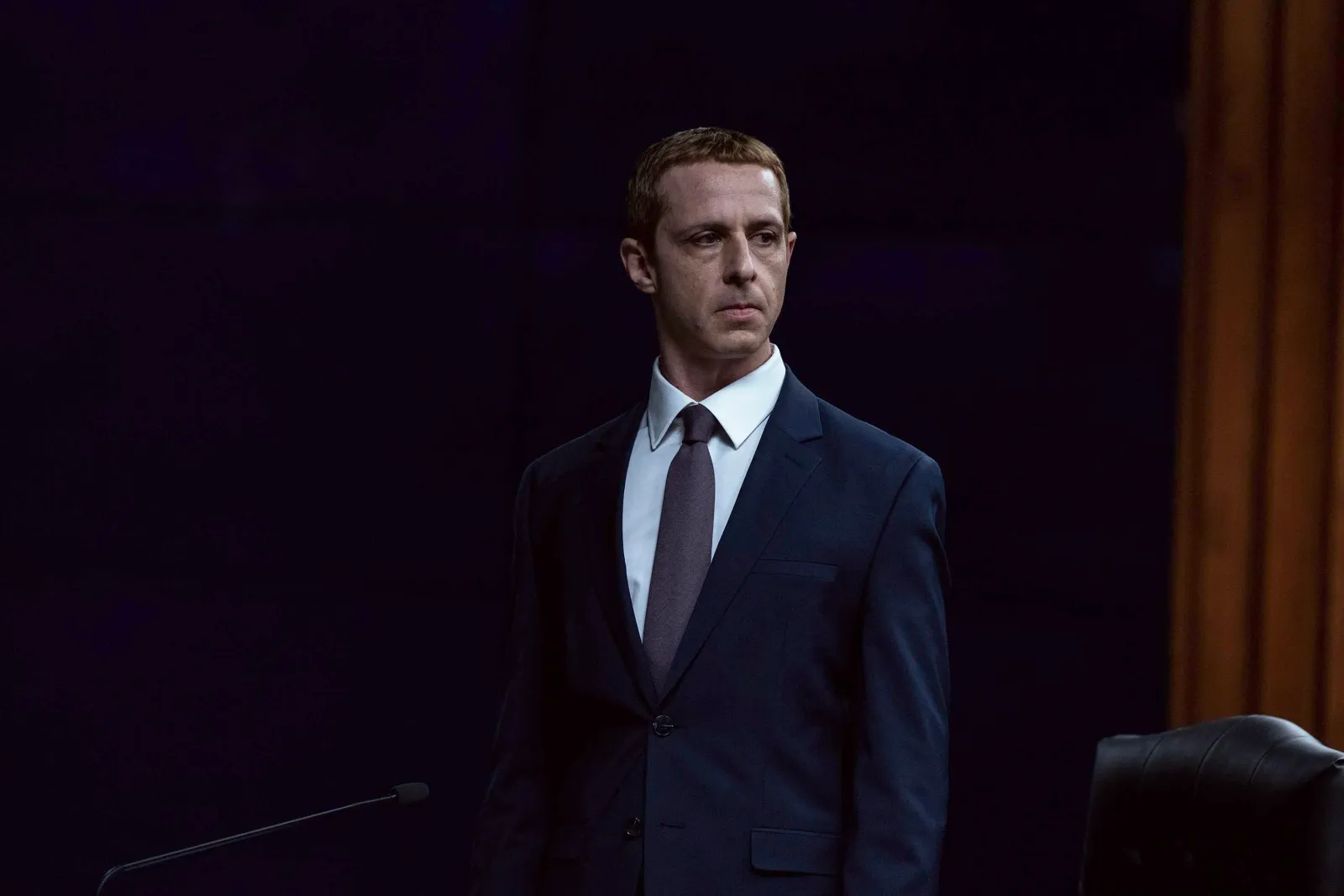
Aaron Sorkin's The Social Reckoning grossed just $5.5 million in its opening weekend against a $30-42 million budget, making it a certified flop for Columbia Pictures and Sony. The underperformance signals that even a celebrated writer's name and a hot-button topic can't overcome middling reviews and audience indifference.
Aaron Sorkin's The Social Reckoning, the long-awaited follow-up to his Oscar-winning The Social Network, opened to a dismal $5.5 million at the domestic box office this past weekend. That figure lands squarely against a production budget estimated between $30 million and $42 million, meaning Columbia Pictures and parent Sony are staring at a certifiable flop that will likely lose tens of millions once marketing and distribution costs are factored in.
The number is even more brutal when placed next to its predecessor: The Social Network opened to $22 million in 2010, nearly four times what The Social Reckoning managed on its debut. The collapse isn't entirely surprising given the film's reception. It currently sits at a 55% rating on Rotten Tomatoes, a middling score that has been reflected in tepid word-of-mouth and a muted opening weekend. For a movie built on the cultural weight of social media's dark side, the audience simply didn't show up.
The flop raises uncomfortable questions for studios that still bet big on name-brand writers and timely themes. Sorkin is one of the most celebrated screenwriters of his generation, and The Social Network remains a cultural touchstone. But The Social Reckoning's failure suggests that a recognizable creative voice and a relevant subject are not enough to drive theatrical attendance, especially when reviews are lukewarm and the film doesn't offer the spectacle or franchise hook that increasingly defines the box office.
For Sony, the loss is a reminder of how unforgiving the mid-budget drama space has become. A $30-42 million production budget is modest by blockbuster standards, but it's a significant bet for a non-franchise, non-horror title. Industry benchmarks typically suggest a film needs to gross roughly two to three times its production budget to break even after marketing and distribution costs. With a $5.5 million opening, The Social Reckoning would need a near-miraculous hold to approach that threshold, and the current trajectory points to a steep second-weekend drop.
The movie's underperformance also highlights the widening gap between critical conversation and commercial appetite. The Social Network arrived at a moment when Facebook was still a cultural phenomenon and the drama felt urgent. The Social Reckoning, despite its timely themes, seems to have landed in a crowded marketplace where audiences are more selective about what they see in theaters, especially for dramas that can be streamed in a few months. The result is a cautionary tale for studios weighing whether to greenlight similar projects.
For Sorkin, the flop is a personal setback that may reshape his directing career. He has built a second act as a director with films like Molly's Game and The Trial of the Chicago 7, but The Social Reckoning's box office failure could make financiers more hesitant to back his future directorial efforts. It also complicates the legacy of The Social Network, a film that won three Oscars and defined a generation's understanding of Silicon Valley. A weak sequel-like follow-up can tarnish that halo, even if the original remains untouchable.
The broader lesson for executives across media and entertainment is that brand equity has a shelf life. The Social Network's cultural moment was 2010; audiences in 2025 have different expectations and more entertainment options than ever. A title that evokes a beloved predecessor can generate initial curiosity, but it cannot sustain a theatrical run without strong reviews and a compelling reason to leave the house. Studios would be wise to treat mid-budget dramas as high-risk bets, not safe bets, and to build marketing plans that address review scores head-on rather than relying on nostalgia.
For peers in the C-suite, the takeaway is straightforward: test early, read the signals, and be willing to cut losses or pivot distribution strategy when the critical consensus turns sour. The Social Reckoning is not just a box office disappointment; it's a data point that the economics of theatrical exhibition continue to tighten, and that no name, no matter how prestigious, is a guarantee against a flop.
This story's Key Insights and Take-aways are locked.
Create a free account to unlock Executive Actions for one credit.
Register to UnlockAlways free for Executives Club members. Join the Club
More in Technology

A Chinese rocket deorbited over Minnesota and landed in a farmer's cornfield
Experts tied the fragment to LandSpace's Zhuque-2E, which launched on September 15 and shed debris over the American Midwest after deploying 10 satellites.

JPMorgan Chase deploys first $5B into defense tech and hypersonic missiles
The bank is moving off its balance sheet to back robot factories, hypersonic missiles, and supply chains, signaling a new era of bank-backed military innovation.

Cop fired after sharing Flock login with ICE husband: 983 searches
A Savannah officer's shared credential let an ICE agent run hundreds of plate searches on Hispanic drivers, exposing a surveillance backdoor.