

Adidas CEO bets China growth on street dance and outdoor boom
Bjorn Gulden is chasing running, hiking, and university dance culture to defend Adidas's turf against domestic and international rivals in China's crowded sportswear market.
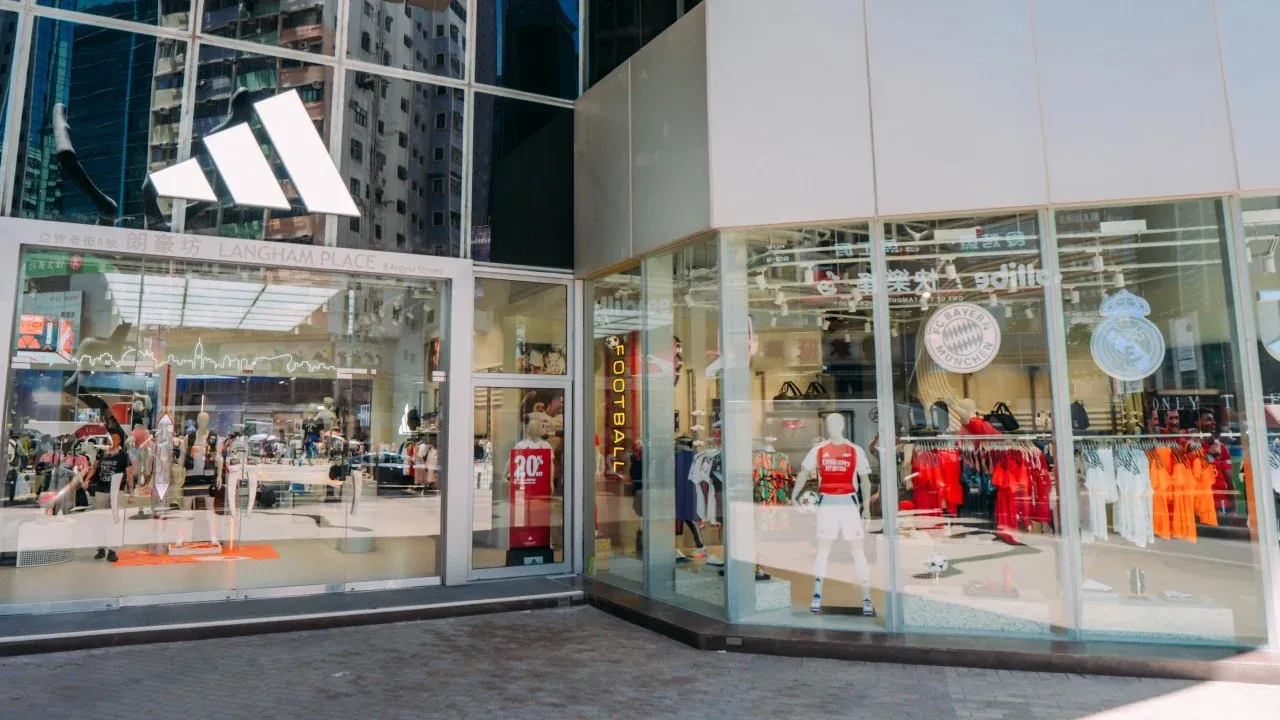
Adidas CEO Bjorn Gulden told reporters in Shanghai that the company is chasing China's running and outdoor booms, plus emerging street dance culture, to sustain growth. The bet signals how the German sportswear giant plans to defend share against domestic and international rivals competing for the same young consumers.
Adidas CEO Bjorn Gulden is betting China's next growth wave will come less from the soccer pitch and more from hiking trails and university dance studios. In a Shanghai media briefing on Sunday, Gulden said the German sportswear giant is pushing into fashionable outdoor and street dance apparel to sustain growth in a market where competition from domestic and international rivals has intensified.
'We see that there's a running boom and an outdoor boom [in China],' Gulden told reporters. 'We see new sports like street dance [becoming] new activities that look to be relevant for the young people in the universities.' The comments signal a deliberate pivot for Adidas, which has spent years defending its position in China against a resurgent field of local challengers and global peers.
For context, China has historically been one of Adidas's most important growth markets, a source of both revenue and brand prestige. But the competitive picture has shifted dramatically in recent years. Domestic sportswear giants have gained ground with products tailored to local tastes, aggressive retail expansion, and marketing that leans into national pride. International rivals have poured resources into the same young, urban demographic Adidas is now targeting. Western brands have also had to navigate geopolitical headwinds in China, including consumer boycotts triggered by political disputes, which have made domestic labels more appealing to some shoppers. The result is a market where brand loyalty is harder to win and easier to lose than it was a decade ago.
Gulden's answer is to meet young Chinese consumers where they are actually spending their time and money. Running has become a mainstream lifestyle activity in China's cities, with everything from casual jogs to organized marathons drawing millions of participants. The outdoor boom has turned hiking, camping, and trail gear into fashion statements rather than purely functional equipment, a shift that has benefited both global brands and local specialists. Street dance adds a third vector: a youth culture movement visible on university campuses and across Chinese social media platforms, where dance challenges and performances generate massive engagement. For Adidas, these are not separate trends but overlapping signals of where young Chinese consumers are directing their attention and their disposable income.
The timing is notable. Breaking, the competitive form of street dance, made its Olympic debut at the Paris 2024 Games, giving the discipline a global legitimacy it never had before. For a brand like Adidas, attaching itself to a sport that is simultaneously underground and mainstream offers a way to reach young consumers who may be skeptical of traditional sports marketing. It is the kind of cultural adjacency that sportswear brands have long used to stay relevant, and Gulden is applying it to a market where cultural credibility is currency.
The strategy is as much about cultural relevance as it is about product. By attaching the Adidas brand to activities that young people are already embracing, the company is trying to position itself as part of their identity rather than just a clothing supplier. That approach matters in a market where domestic competitors have proven adept at capturing cultural moments and turning them into sales. Outdoor and street dance apparel also require different materials, silhouettes, and brand storytelling than traditional performance sportswear, which means Adidas is effectively building new product franchises rather than extending old ones. The company's ability to move quickly from trend-spotting to shelf-ready product will be a key test of whether this strategy translates into sustained growth.
For executives watching from the sidelines, Gulden's China playbook is a reminder that growth in the world's largest sportswear markets increasingly comes from niche cultural movements that scale quickly. The brands that spot those movements early and build authentic product lines around them can capture outsized share. The ones that wait for the trend to mature often arrive late, when the economics have already shifted and the cultural moment has passed.
The stakes are clear: China remains a battleground where global brands must constantly reinvent themselves to stay relevant. Adidas's bet on running, outdoor, and street dance is its latest attempt to do exactly that. Whether it works will depend on execution, supply chain agility, and the brand's ability to stay ahead of rivals that are moving just as fast. But the direction of travel is unmistakable, and competitors in every consumer category should be watching how this plays out.
This story's Key Insights and Take-aways are locked.
Create a free account to unlock Executive Actions for one credit.
Register to UnlockAlways free for Executives Club members. Join the Club
More in Business

Elon Musk unveils a flying car, and SpaceX helped build it
The Tesla CEO's showcase at a SpaceX facility signals a future where road and rocket engineering converge.

Apple's $2,000 iPhone Duo opens preorders, taking on Samsung and Google
Apple's first foldable hits the market at a premium price, reshaping a category Samsung and Google have led.

Pope Leo XIV, first American pope, diagnosed with lung cancer
The 71-year-old Chicago-born pontiff underwent successful surgery on his right lung, and his diagnosis raises new questions about his AI-focused papacy and the Vatican's future.