
Adventure Time’s Side Quests resets the franchise to its early, lighter roots
The reboot deliberately returns to the show’s first-season vibe, before the lore got heavy and the world got dark.
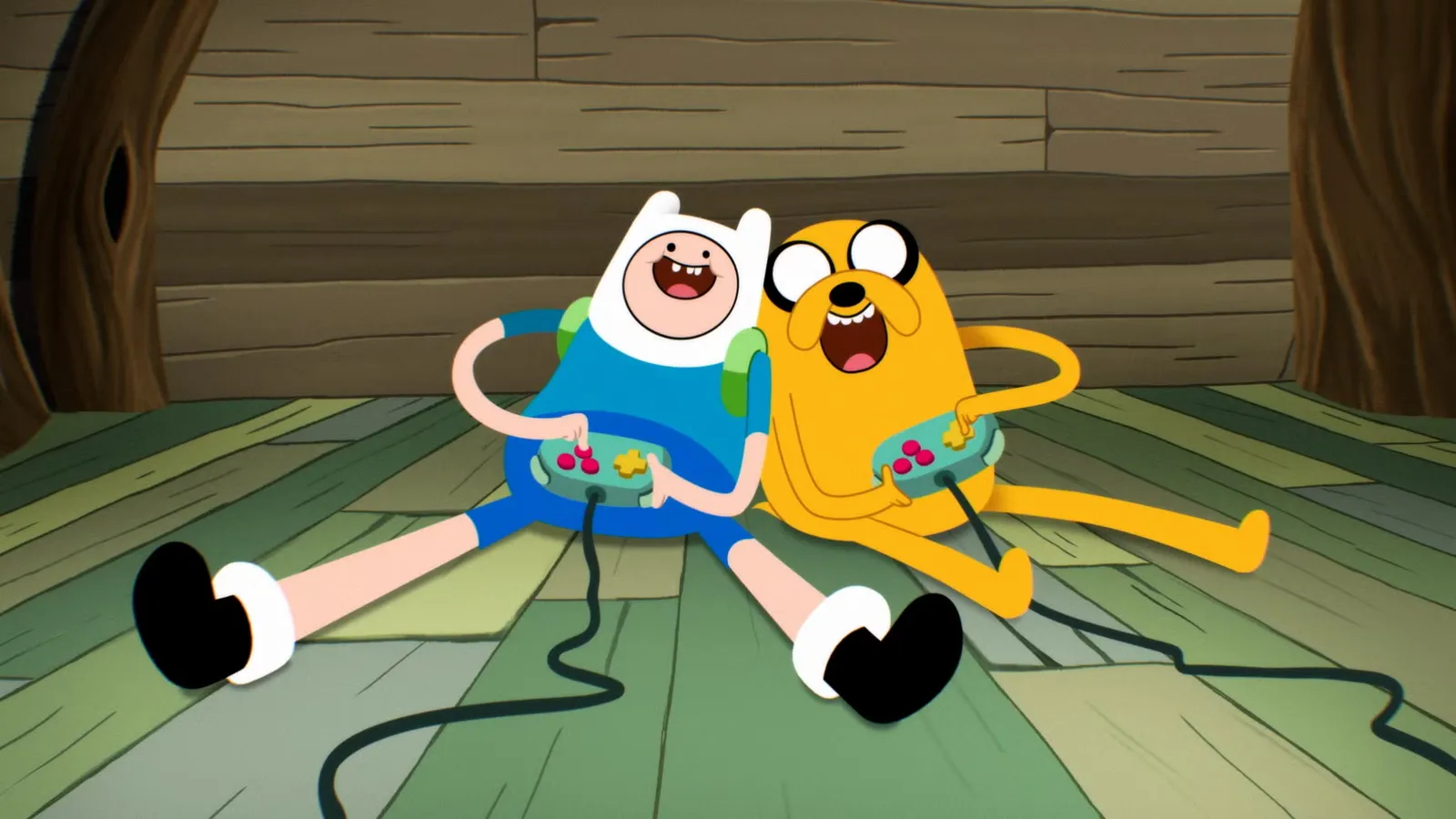
Adventure Time: Side Quests brings the franchise back toward its early seasons, a period Polygon notes was far more whimsical. For decision-makers in entertainment, it is a clear signal that audiences may be rewarding resets that rebalance tone, not just expanding canon.
Adventure Time has a long memory. Polygon points out that the series traveled through 278 episodes, evolving from a kids-friendly premise about a boy and his magic dog into something with much darker gravity. Over more than 10 seasons, the fantasy world of Ooo stopped feeling like a simple playground and became a post-apocalyptic husk of Earth after nuclear war. Along the way, characters that once felt like bright cartoon fixtures were also reshaped with deeper, more tragic backstories.
That is the backdrop for Adventure Time: Side Quests, Polygon’s description of it as a “delightful return” to the show’s early seasons, before everything “go so dark.” In other words, the reboot is not trying to out-lore the original or add another layer of gloom. It is trying to recalibrate. If you are a studio, producer, or brand operator, that matters because tone is not a costume. Tone is how audiences decide whether they are going to stay.
Why did Adventure Time’s tone shift so dramatically in the first place? It is not an accident. Long-running animated franchises often start with accessible storytelling and gradually expand into serialized mythmaking. Adventure Time did that in a very specific way: it revealed that the world itself, Ooo, was not just fantastical terrain but the distant aftermath of nuclear war. That kind of worldbuilding can be emotionally rewarding, but it also changes the contract with the viewer. When the setting carries trauma, every episode tends to feel like it is “about” the same weight, even if the plot is episodic.
Polygon’s emphasis on “early seasons” is basically a stake statement. Side Quests is positioned as a retreat to the show’s lighter, whimsical energy, which early episodes embodied when the premise was simpler and the characters were less burdened by complex tragedy. For executives, that is a strategic choice with real operational consequences. A “reboot” does not just mean new episodes. It means the creative team is actively curating what parts of the brand matter most right now, including what kind of emotion the franchise should reliably deliver.
There is also a business logic underneath the creative logic. The longer a franchise runs, the more it accumulates audience segments. Some viewers want deeper lore and emotional intensity. Others want the comfort of a familiar tonal lane. Side Quests, as Polygon frames it, suggests a bet on the latter segment. And in an entertainment landscape where content calendars are packed and attention is expensive, reintroducing a franchise to lapsed or casual fans can be a form of risk management. You do not abandon the mythology, but you give the brand a new on-ramp.
Second-order implications show up in how these shows are marketed and how new viewers are onboarded. A darker mythology can raise the “entry cost” for someone who missed seasons. If Ooo’s post-apocalyptic reveal and the tragic backstories are part of the core appeal, then latecomers may feel like they need to binge in order to understand the emotional stakes. A Side Quests approach can lower that entry cost. By returning to the early-season feel, it becomes easier to sell the show as warm, whimsical escapism rather than as a deep lore experience.
For boards, investors, and studio operators, the broader takeaway is not that one tone is better than another. It is that tone is a strategic lever. Adventure Time already demonstrated that it could evolve into something darker over 10 seasons, using revelations about Earth’s nuclear aftermath and character histories that hit harder than the early cartoon format. Side Quests, meanwhile, is described by Polygon as the “reboot the franchise desperately needs,” which signals that the brand has to stay legible to its audience. When a franchise becomes too heavy to re-enter casually, a tonal reset can be the difference between growth and churn.
In the end, the strategic stakes are simple: can the franchise keep delivering the emotional promise that built its audience, even after it expanded into heavier territory? Polygon’s framing answers yes by pointing to Side Quests as a return to the early seasons before everything “go so dark.” If that works, it becomes a playbook for other long-running properties: evolve, but remember to periodically let the audience breathe.
This story's Key Insights and Take-aways are locked.
Create a free account to unlock Executive Actions for one credit.
Register to UnlockAlways free for Executives Club members. Join the Club
More in Entertainment

Russell Brand's accuser 'bewildered and confused' as he denies 7 sex charges
The criminal case against the comedian is a live test of how media companies manage talent risk when serious allegations go public.

'It's a Magic Trick': Ballet Experts Say Rosalía's SNL Pose Is Impossible
Three ballet experts tell Rolling Stone Rosalía's gravity-defying SNL stillness shouldn't be possible - and why the debate is now part of the show.

Activision CMO: GTA 6 Will Boost Call of Duty, Not Bury It
Activision's top marketer says Rockstar's blockbuster will drive players back to consoles and into Modern Warfare 4, even as the company admits its recent strategy failed.