

AI blame spreads as Xbox, Switch 2, and Steam Deck prices rise
Device makers say AI-driven costs are behind recent price hikes, reshaping budgeting for gaming hardware and retail.

Xbox consoles, Nintendo's new Switch 2, and Valve's Steam Deck are among the gadgets facing price rises in recent months, and tech firms are blaming AI. For decision-makers, it raises the question of whether AI costs will persist across the consumer hardware cycle and how retailers should plan.
If you have been wondering why “gaming hardware” suddenly feels like a luxury category, the latest explanation is coming from the companies themselves: tech firms are blaming AI for mega device and console price rises. Recent months have brought higher prices for Xbox consoles, Nintendo's new Switch 2, and Valve's Steam Deck, a lineup that covers both living-room consoles and portable PC-style gaming.
Here is the immediate punchline, and it matters. When Xbox, Nintendo, and Valve all point to price hikes hitting the same general time window, you should treat it as a signal, not a collection of one-off pricing decisions. The source frames these as recent price rises affecting multiple categories of popular hardware, with the common narrative being that AI is part of the cost story behind the numbers you see at checkout.
Now zoom out for a minute on why “AI blame” is showing up in consumer hardware at all. AI systems require massive compute. Even if a game console is not “running AI” in the way a chatbot does, AI can still show up indirectly as part of the broader cost structure that touches everything from components to supply chains to the economics of data centers. For hardware makers, those pressures can land as higher input costs, tighter margins, or both. The end result is usually the same: the price tag is adjusted to keep the business viable, because consumer electronics rarely have much tolerance for prolonged negative margin.
This is also why the timing matters. Retail pricing works on habits. Gamers plan purchases around launches, promotions, and trade-in cycles. When price rises hit across Xbox consoles, Switch 2, and Steam Deck in a concentrated period, it disrupts those habits at once. Retailers also feel it. Higher shelf prices can change conversion rates, push more demand into bundles, and increase the importance of financing offers or discount timing. Boards care because consumer electronics are not just products, they are cash flow machines that can swing hard when affordability changes.
There is another layer here, and it is regulatory-adjacent even when regulators are not directly “raising console prices.” In recent years, regulators across multiple regions have increased scrutiny on competition, consumer protection, and supply chain practices. When companies point to AI as a driver of higher consumer prices, it puts pressure on how those costs are explained and whether the market believes them. Even without a specific accusation in the source, the broader compliance environment means companies tend to be more careful about narratives that can be interpreted as vague. A clear, defensible rationale is not just public relations, it can become part of how regulators and policymakers evaluate fairness and market power.
Second-order implications for executives and board members are real. If AI is a recurring cost driver, pricing may not be a one-time fix. Instead of “we adjusted once for a quarter,” CFOs might face a longer runway of cost pressures that need a durable strategy: tighter supply commitments, more resilient component planning, alternative configurations, or a shift in how hardware is monetized through software attach and services. For Nintendo, Valve, and Microsoft in particular, their ecosystems matter. Hardware prices are only half the story. The other half is how much revenue is captured downstream through games, subscriptions, and platform services. When hardware gets more expensive, the ecosystem logic becomes even more important because it determines whether customers view the total cost as justified.
There is also a competitive angle. Xbox consoles, Switch 2, and Steam Deck serve different audiences, but price increases can still ripple through cross-shopping. A gamer comparing a console purchase to a handheld or portable alternative has fewer ways to rationalize a sudden spike. That can shift demand across platforms, even if each company believes its own cost drivers are different. In other words, “AI blame” might be meant as a cost explanation, but the market response is going to be felt as competitive pressure.
So what should decision-makers do with this? Treat the price-hike pattern as a systems-level signal. If tech firms across multiple device lines are pointing to AI as a cause, your planning assumptions for consumer electronics should be stress-tested for continued cost volatility. The strategic stake is simple: if affordability tightens, the companies that respond fastest with smart configuration choices, ecosystem value communication, and supply chain resilience will protect demand better than those that rely on hope and timing.
This story's Key Insights and Take-aways are locked.
Create a free account to unlock Executive Actions for one credit.
Register to UnlockAlways free for Executives Club members. Join the Club
More in Technology
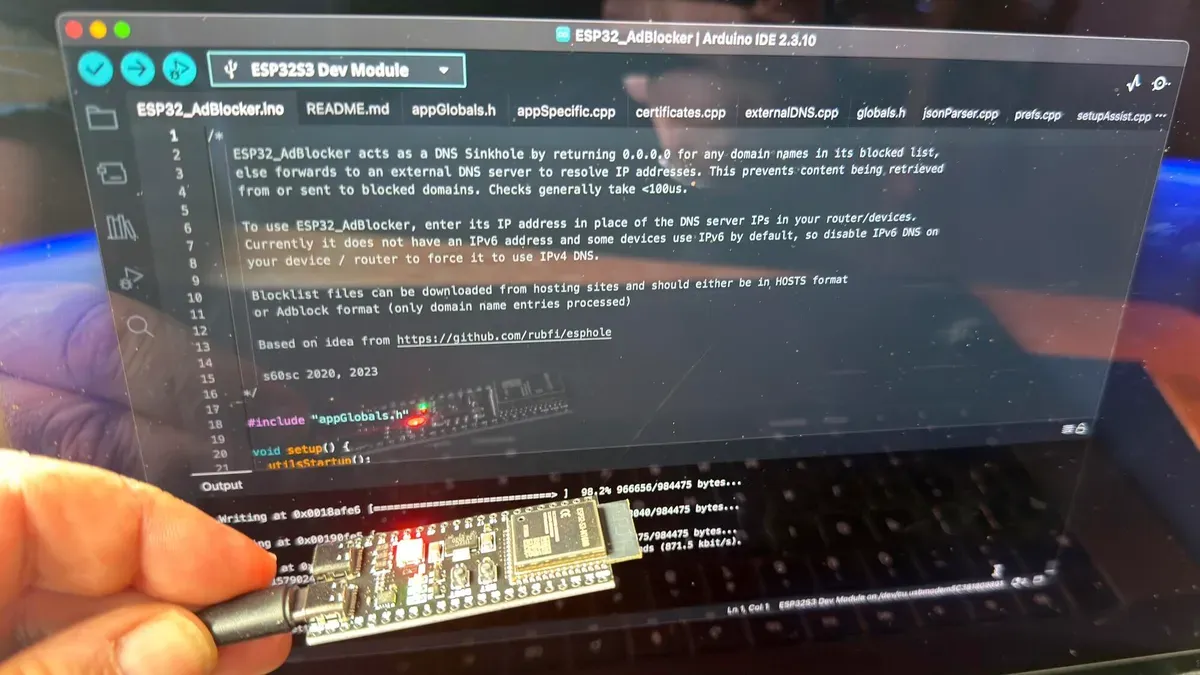
One $7 ESP32-S3 whole-home ad blocker, built in minutes as Pi prices climbed
A ZDNet maker swap shows how executives should think about cost-sensitive network controls when Raspberry Pi boards get pricey.

Zhipu AI says GLM-5.2 matches Anthropic Mythos on bugs, narrowing US-China cybersecurity gap
Open-weight GLM-5.2 looks strong in bug-finding, and the US is already trying to slow China’s access to top models and chips.

Meccha Chameleon hits 10 million sales in under a month, nearly 200,000 Steam concurrents
An indie hide-and-seek spinoff turns friendsloppish joy into massive Steam traction, and it offers a business lesson.