
AI decodes the genetic switch that turns on 60% of human genes
A model trained on half a million sequences just mapped the initiator that flips genes on, with big implications for mutation prediction and drug development.
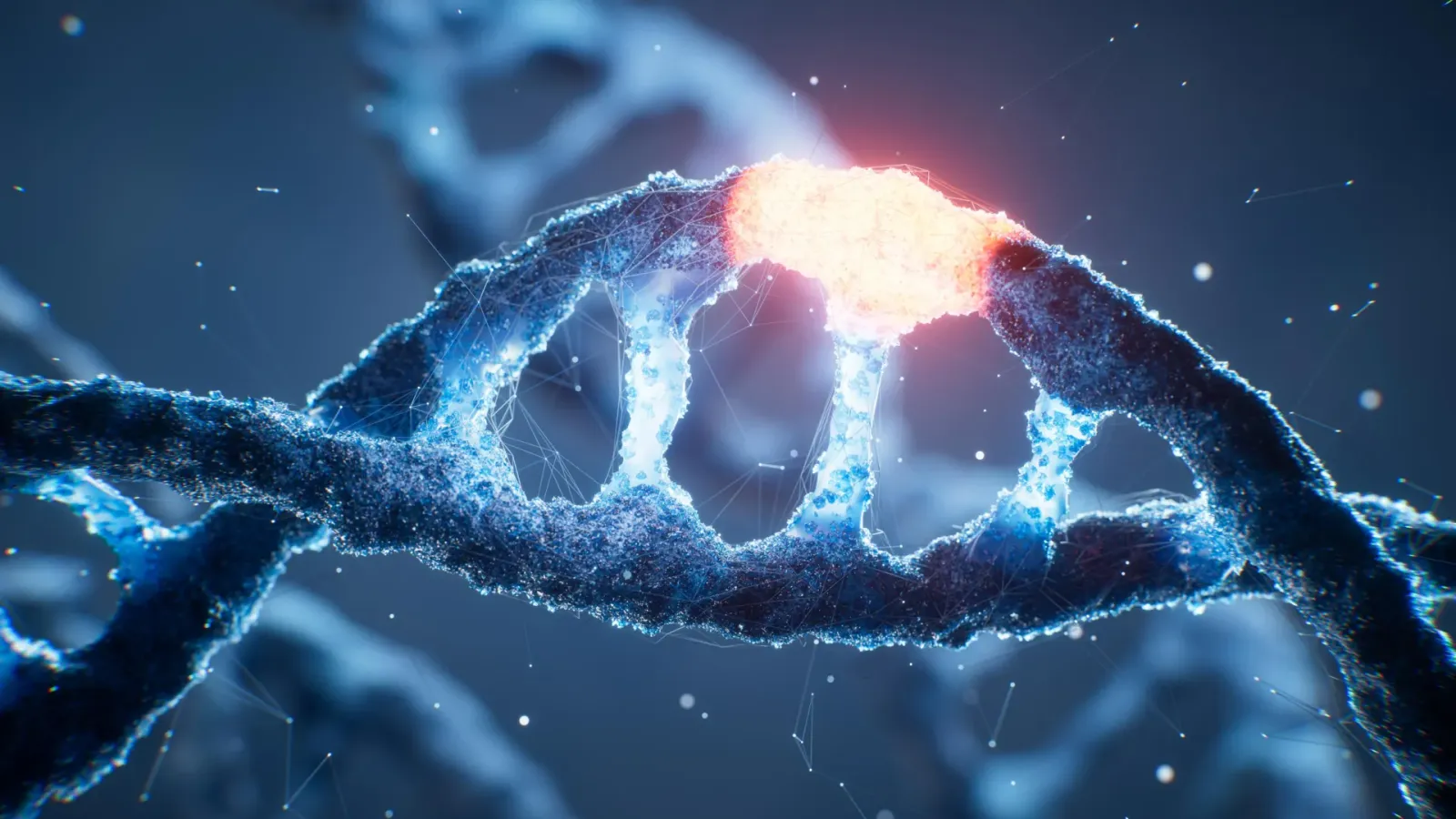
Researchers used AI to decode the DNA signature of the initiator, a genetic switch found in roughly 60% of human genes. The breakthrough could sharpen predictions of harmful mutations and accelerate efforts to map the full regulatory code.
A new AI model has decoded the DNA signature of a genetic "on switch" found in roughly 60% of human genes, after analyzing about 500,000 DNA sequences. The breakthrough, reported by researchers, could transform how scientists predict the effects of harmful mutations and decode the broader regulatory code that governs gene activity throughout the body. For executives in biotech, pharma, and diagnostics, this is not just a lab curiosity - it is a signal that the non-coding genome is finally becoming readable, and with it, a new layer of therapeutic and diagnostic opportunity.
The initiator is a core promoter element - a short DNA sequence that tells the cellular machinery where to start reading a gene. For decades, its exact signature has been elusive, buried in the noise of the genome. Now, by training a model on half a million sequences, researchers have identified the pattern that marks this switch, giving scientists a clearer map of how genes are turned on. The fact that this signature appears in 60% of human genes suggests a common, fundamental mechanism - one that could be targeted or modulated across a wide range of conditions.
Most disease-causing mutations that have been studied sit in protein-coding regions, but a growing body of research points to regulatory regions as equally important. Mutations that disrupt the initiator could silence a gene entirely, leading to developmental disorders, cancer, or metabolic disease. With this new signature, researchers can begin to predict which mutations in these regions are likely to be harmful - a critical step for genetic diagnostics and personalized medicine. For a CFO or CSO, this means the variant interpretation pipelines that currently focus on exons may soon need to expand to include regulatory elements, changing how risk is assessed and how patients are stratified.
The human genome contains roughly 20,000 genes, and each one is controlled by a complex interplay of promoters, enhancers, and other regulatory elements. The initiator is just one piece, but it is a foundational one. By decoding it, the AI model provides a template for tackling the rest of the regulatory code - a code that is far larger and more dynamic than the protein-coding sequence that has dominated genomics for decades. This is a reminder that the 98% of the genome once dismissed as "junk" is actually a dense layer of control, and AI is the tool that is finally unlocking it.
For pharmaceutical companies, this is a potential accelerant. Understanding how genes are switched on and off is central to developing therapies that modulate gene expression - from RNA-based drugs to CRISPR-based gene editing. If researchers can predict which mutations disrupt the initiator, they can better stratify patients for clinical trials and identify new drug targets. The AI approach also demonstrates how machine learning can handle the massive, high-dimensional data that genomics generates, compressing years of lab work into months of computation. Companies that already have AI-driven genomics teams will be first to translate this into pipeline decisions.
This is part of a larger wave of AI-driven discovery in biology. From protein folding to gene editing, models are increasingly being used to find patterns that human researchers might miss. The success here - identifying a regulatory signature from 500,000 sequences - suggests that AI can accelerate the pace of fundamental biological discovery. For investors and operators, the implication is that the cost of decoding biology is falling fast, and the bottleneck is shifting from data generation to interpretation. The initiator breakthrough is a concrete example of that shift.
For CEOs and chief scientific officers in biotech, pharma, and diagnostics, the takeaway is clear: the ability to interpret the non-coding genome is becoming a competitive advantage. Companies that invest in AI-driven genomics now will be better positioned to develop next-generation diagnostics and therapies. The initiator breakthrough is a reminder that the most valuable insights are often hidden in the 98% of the genome that does not code for proteins. Those who wait for the field to mature may find themselves licensing technology from competitors who moved earlier.
The researchers note that this is a step toward decoding the broader genetic instructions that control gene activity throughout the body. The next phase will likely involve mapping other regulatory elements and understanding how they interact. For now, the initiator's signature is a powerful new tool - one that could reshape how we think about genetic risk and therapeutic intervention. For decision-makers, the message is simple: the genetic switchboard is being mapped, and the companies that learn to read it will own the next decade of precision medicine.
This story's Key Insights and Take-aways are locked.
Create a free account to unlock Executive Actions for one credit.
Register to UnlockAlways free for Executives Club members. Join the Club
More in Science
2026 Nikon Small World Winners Reveal the Hidden Machinery of Everyday Life
A mycologist's frozen Edinburgh garden became the backdrop for vivid views inside cells, a reminder of what advanced imaging now makes visible to researchers and the industries built on biology.

Study: 1 in 4 depression cases may be a body-clock problem, not a chemical one
A 10,000-person study finds standard antidepressants often fail these patients, but melatonin and morning sunlight may hit the real root cause.

Start-Up Says A.I. Designed a Virus to Attack One Patient's Superbug
If the claim holds up, personalized phage therapy could become a new frontline weapon against antibiotic resistance - but proof is far from final.