
AI ghost-hunting app hits 1m downloads, and purists are spooked
The AI ghost-hunting app with 1m downloads is splitting the paranormal community.
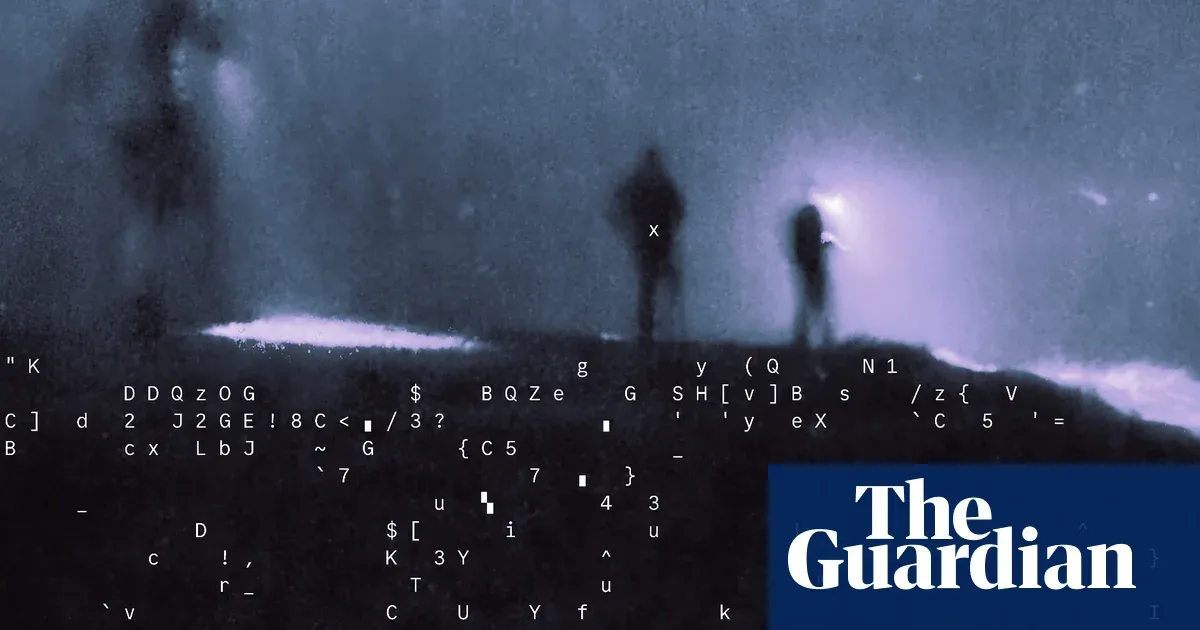
Amy Waine and Jarrad Cutting built GhostTube Seer, an AI ghost-hunting app with more than 1m downloads, and it is now the most visible example of AI entering the paranormal. The consequence: communities like Reddit's r/Nosleep are banning AI-generated content, forcing creators and platforms to confront authenticity.
The AI ghost-hunting app GhostTube Seer has crossed more than 1m downloads on Google Play, according to its store listing, making it one of the most visible attempts to bring chatbots into the paranormal. Created by Amy Waine and Jarrad Cutting, the app is described by its makers as "the world's first AI Ghost Hunting tool." It requires a paid monthly subscription, yet the download count suggests a real appetite for AI-assisted supernatural investigation. For a niche category, that scale is notable.
The mechanics are simple. The app assigns signals from a phone's sensors to different words in a database, effectively turning ambient environmental data into a stream of language. That is not so different from how paranormal investigators have long repurposed scientific tools. EMF meters, built to detect electromagnetic fields, are used to identify anomalies that believers interpret as supernatural activity. Seer is, in many ways, an expansion of that practice: another way to scan an empty room and believe that something may be there. The difference is that the interpreter is now an algorithm.
That algorithm has split the ghost-hunting community. Since ChatGPT launched in 2022, AI-generated ghost stories and images have flooded online spaces, and the backlash has been swift. The r/Nosleep subreddit, a popular forum for scary stories, has implemented a strict policy against AI-generated material. The concern is not just about quality; it is about authenticity. If a ghost story can be produced by a prompt, the craft of paranormal storytelling loses its human signature. The same tension is playing out across creative industries, but in the paranormal world it cuts deeper because belief is the product.
For founders and operators, the GhostTube Seer story is a case study in how quickly AI becomes both a feature and a liability. The app's 1m downloads show that consumers will pay for AI tools that promise access to the unknown. But the r/Nosleep policy shows that communities are already drawing hard lines against AI-generated content. The lesson: AI can open a market, but it can also poison the well of trust. Any product that depends on perceived authenticity, whether it is ghost hunting, journalism, or user-generated content, needs to be explicit about what is human and what is machine.
There is also a regulatory and platform dimension. As AI-generated content proliferates, platforms are being forced to decide how to label or restrict it. Reddit's approach, at least in one corner, is a ban. Other platforms are experimenting with provenance labels and disclosure requirements. For executives, this is a preview of the coming policy battles. The question is not whether AI content will be regulated, but how platforms will balance openness with trust. The paranormal niche is an early warning system for the broader content economy.
The business model is also worth noting. GhostTube Seer is a subscription app, not a one-time purchase. That recurring revenue model is common in the paranormal space, where enthusiasts are used to paying for equipment and experiences. But AI changes the cost structure. Once the software is built, the marginal cost of each new "reading" is near zero. That is a classic software margin story, applied to an unexpected vertical. For investors, it suggests that niche AI applications can achieve meaningful scale without needing to be a horizontal platform.
The strategic takeaway for peers is straightforward. AI is not a single technology; it is a lens that can be pointed at any human activity, including the search for ghosts. The teams that win will be those that understand the culture of their niche, not just the technology. Waine and Cutting built their own software because they are practitioners first. That domain depth is what separates a tool that feels magical from one that feels like a gimmick. As AI spreads into every corner of work and play, the ghost hunters offer a reminder: the best AI products are built by people who already understand the problem.
This story's Key Insights and Take-aways are locked.
Create a free account to unlock Executive Actions for one credit.
Register to UnlockAlways free for Executives Club members. Join the Club
More in Technology

Amazon's AI spending spree spooks Wall Street as shares stumble
The e-commerce giant's swelling AI investment is colliding with investor patience, forcing a reckoning over Big Tech's data center cash burn.

One hacked laptop, $6.3B gone: North Korea suspected in record Binance theft
A single compromised employee device may have triggered the largest crypto theft on record, forcing every exchange executive to rethink insider access and custody risk.
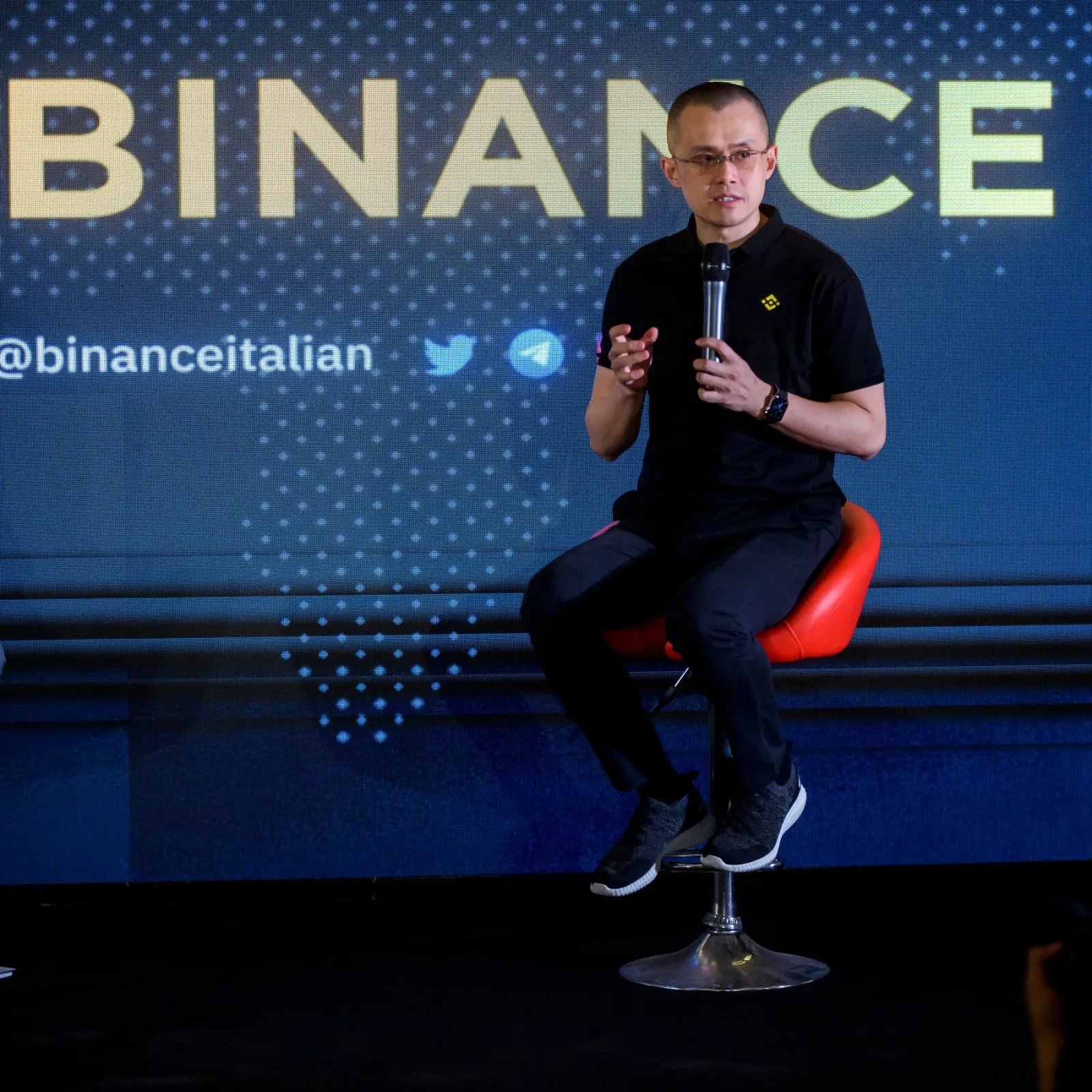
Binance Suspends Withdrawals After $6.3B Hack, Biggest Crypto Heist Ever
The exchange says it was compromised; researchers point to North Korea's elite hacking unit. Here's what it means for crypto markets and exchange trust.