
AI startups are “paying artists” for access, but illustrators doubt it fixes training without permission
A new wave of “more ethical” gen AI tools is pitching compensation as the missing piece, but legal battles and trust gaps remain.
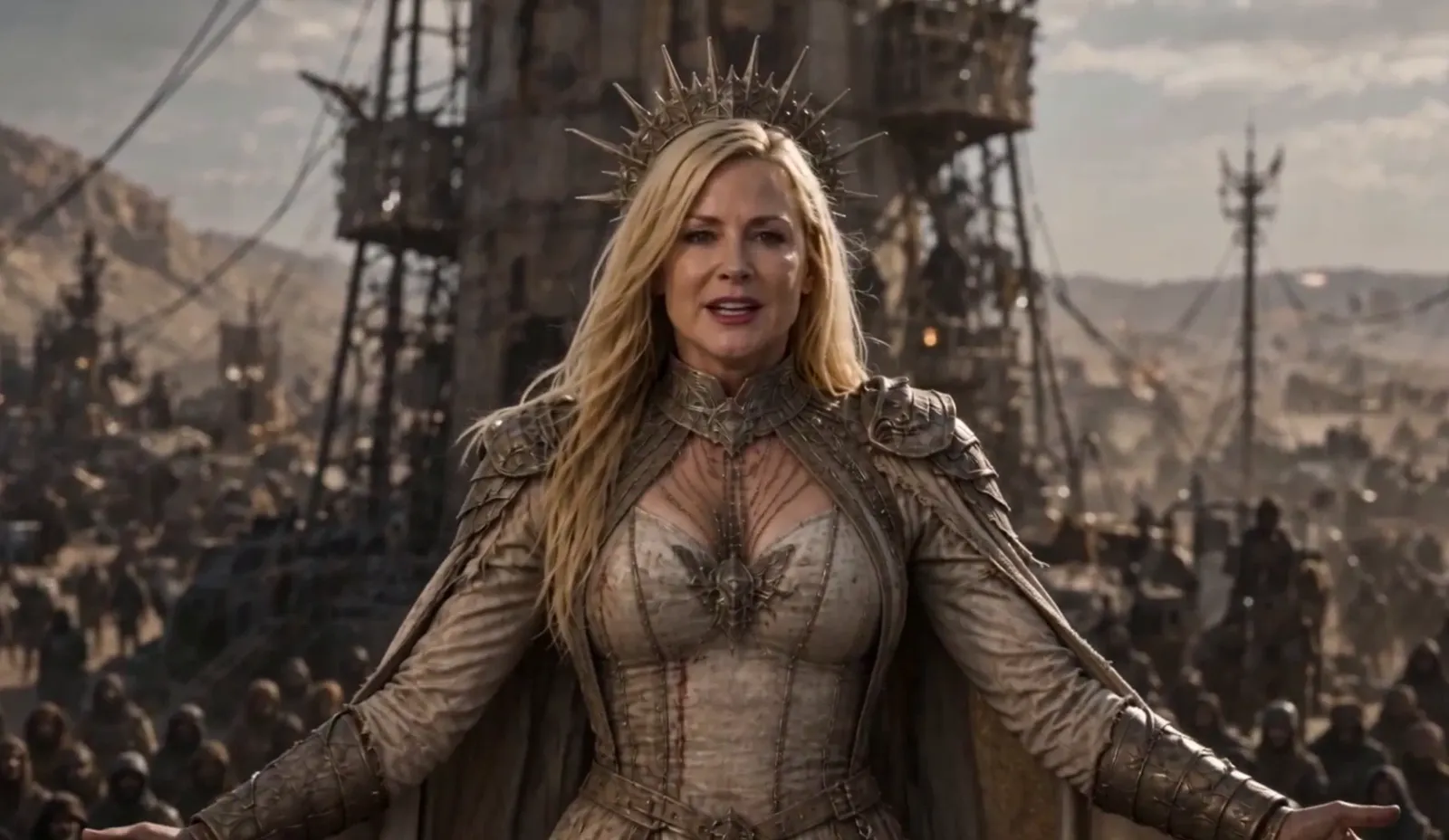
Illustrators have warned for years that generative AI models can be trained on artists' work without permission, and they argue this is tantamount to theft. In response, companies like Pippa market services as more ethical, often using short bursts of user-generated footage to compete in text-to-video access.
Illustrators have spent years sounding the alarm about generative AI startups training their models on artists' work without permission, and they have framed that practice as theft. At the same time, a loud chorus of gen AI boosters argues the opposite: that using data derived from artists, even without permission, is necessary for the technology to evolve. That standoff is not just philosophical. It has spilled into contentious legal battles that keep dragging the industry back to the same question: if you use artists' work to train models, does “paying artists” after the fact actually change the underlying problem?
The market is trying to answer that question with a new pitch. The Verge reports on AI startups like Pippa that market their services as being more ethical than the competition, positioning themselves as a better path for creators and users who do not want to be part of training disputes. Like most companies selling access to text-to-video models, Pippa's main product is short bursts of user-generated footage that can be cobbled together into output, essentially selling a different kind of pipeline than the classic “model trained on someone else's library” story.
To understand why this is a board-level concern, you have to look at incentives. Gen AI companies have been racing to build the richest training sets possible because training data quality and scale directly affect what the models can produce. Creators, meanwhile, are asking a different question: do creators retain control when their work becomes input for training, especially when they did not authorize it? When a company argues that training is necessary for evolution, it is implicitly saying the benefit to society and product progress outweighs the consent issues. When illustrators push back by calling it theft, they are treating consent as the central issue, not the downstream utility.
That is why “more ethical” marketing matters even if the actual technical approach is a little different. If an AI startup can credibly claim it is not relying on the same unpermissioned training practices, it can attract users who want to deploy AI without reputational risk and it can attract partners who are wary of being named in disputes. But the Verge piece is careful not to pretend this is settled. It frames the current moment as part of an ongoing fight shaped by allegations, counterarguments from boosters, and the continuing legal battles that have emerged from these disagreements.
There is also a second-order implication executives should not miss: compensation claims become a battleground even when the model mechanics change. Consider what “paying artists” can mean in practice. It can mean paying for licensing, paying for participation, or paying for access to content used in some part of the creative workflow. The industry question is whether that payment addresses the consent gap that illustrators have highlighted, or whether it simply shifts where value lands while leaving the core concern intact. If the public and courts view compensation as insufficient without permission, startups that lead with “we pay artists” could still find themselves pulled into the same trust crisis as “unethical” competitors.
Meanwhile, text-to-video access is turning into a crowded go-to-market motion, and that pressures companies to differentiate fast. The Verge notes that Pippa and similar players are selling services built around short bursts of user-generated footage that can be assembled, and that framing suggests an attempt to redirect the source of creative material. In a market where users can compare outputs and APIs, ethical positioning can become a feature. But when ethics is framed as a competitive advantage, it also becomes measurable. That means boards should ask what evidence supports the ethical claim, and how that evidence would hold up if challenged in court or by creators and platforms.
For decision-makers, the strategic stakes are straightforward even if the legal details are not. Legal battles mean uncertainty in cost structure, timelines, and deployment risk. Reputational disputes mean customer churn risk and partnership friction. And if “paying artists” becomes table stakes, the differentiation may shift from payment to provenance, consent, and documentation. The executives in this space need to understand that the market is not only buying outputs. It is buying a story about who controlled the input and whether creators were treated as rights-holders, not raw material.
This story's Key Insights and Take-aways are locked.
Create a free account to unlock Executive Actions for one credit.
Register to UnlockAlways free for Executives Club members. Join the Club
More in Technology

doubleAI's Maxwell rewrites code while it runs, claims 38x speedups
The Tel Aviv startup's code execution model formally verifies optimizations, turning AI into an agent for the hardware itself.
Saudi military official paid to fly OpenAI bugging suspect's family out, prosecutors say
A court filing says a Saudi military official funded the family's exit and Riyadh offered bail, putting foreign-influence risk squarely on AI boards.
AI researcher's 26,000-word claim: Neural nets aren't tangled after all
Nick Cammarata's Goodfire post has the AI world split - if he's right, monitoring frontier models just got a lot easier.