
Akira returns to US IMAX theaters in new 4K, six years after 2020 restoration
Crunchyroll and Sony bring the restored Neo-Tokyo back to screens this summer, with a fresh IMAX push in 4K.
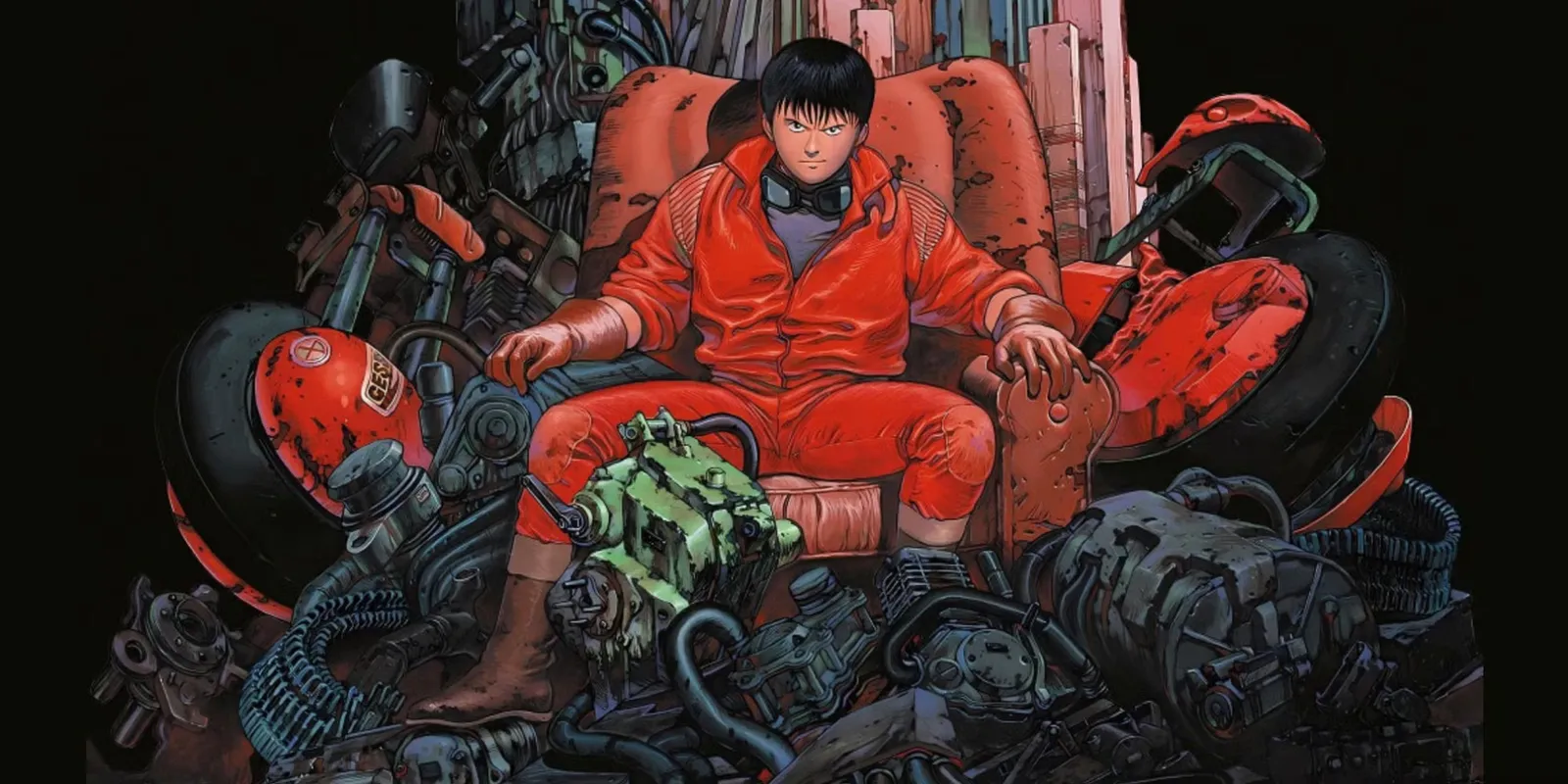
Sony Pictures Entertainment and Crunchyroll are officially bringing Akira back to U.S. theaters in new 4K IMAX this summer. For distribution and media leaders, the release tests how restored IP monetizes years after a big theatrical comeback.
Akira, the anime classic that helped crack open anime's international future, is officially heading back to U.S. theaters in new 4K IMAX this summer, via Sony Pictures Entertainment and Crunchyroll. Collider frames it as more than a standard re-release. This is a “re-experience” built around the film's restored presentation, and it arrives stateside and in Canada about six years after the restoration first hit big screens in 2020.
Here is the practical stake behind the nostalgia: timing and format. The movie already exploded back onto screens in the U.K. earlier this year, and now the U.S. and Canada get their turn with 4K plus IMAX. That combo matters to exhibitors and rights-holders because it turns a library title into an event. Not every catalog asset can command the attention required for premium formats like IMAX, and Akira is being used to see whether a modern, high-end theatrical treatment can still drive mainstream buzz long after the original cultural wave.
To understand why this matters to executives, it helps to zoom out on the film’s legacy. Collider calls Akira one of the most groundbreaking anime films of all time, and credits it with helping anime break through internationally. It also points to its influence on later sci-fi titles, naming Cowboy Bebop, Ghost in the Shell, and The Matrix as examples of what came after. That kind of lineage is not just trivia. It is an asset quality signal. When a title is consistently cited as a blueprint by multiple genres, it can keep relevance without needing a rewrite of its core story.
The distribution model is also telling. Instead of a single studio driving the whole effort, Sony Pictures Entertainment and Crunchyroll are partnering for U.S. theatrical distribution. That pairing reflects how anime has evolved from “niche release” to a cross-platform engine. Crunchyroll’s involvement matters because it is the ecosystem brand that audiences often associate with ongoing anime culture. Sony’s involvement brings the traditional theatrical machinery. Put together, the companies are effectively bridging two worlds: the streaming-native audience that knows the franchise and the theater-going audience that needs a reason to show up.
There is also a calendar lesson embedded in this release. The restoration hit theaters in 2020, then the U.K. got a splash earlier this year, and now North America is getting its run this summer. That staggered rollout suggests a strategy built on testing demand by region and then scaling. If premium formats and updated resolution can sustain attention through multiple release waves, that reduces the risk of betting big on one narrow window.
For boards and finance teams, the question is always the same: what is the return on “old content,” and how much does the premium format contribute? A restored 4K and IMAX presentation is not free, but it can extend the revenue life of a property that already has cultural gravity. This is especially relevant for media operators managing content pipelines that are expensive, slow to turn, and often dependent on new IP catching fire quickly. Library monetization becomes a portfolio stabilizer when the execution is right.
Second-order implications show up in how this could influence similar catalog decisions. Akira's theatrical comeback is being positioned as a notable moment rather than a quiet shelf restock. Collider’s framing suggests the restoration had enough impact in 2020 to justify another theatrical push years later, and enough ongoing fan and cultural recognition to justify bringing it back in the U.S. and Canada now. If it performs, other rights-holders could see the playbook: restore, remaster, relaunch in premium format, and time releases to amplify attention across markets.
There is also an exhibitor angle. IMAX and 4K are not just technical upgrades; they change the audience expectations. The venue is selling an experience, not just a screening. An iconic film like Akira can be a rare opportunity to align the interests of theaters, distributors, and fans: fans get a higher-fidelity version of something they already care about, and theaters get event-level programming that can compete with newer releases.
The bottom line is that Akira’s return is a stress test for a broader industry move. Collider reports a U.S. and Canada theatrical relaunch in new 4K IMAX this summer, with Sony Pictures Entertainment and Crunchyroll leading the effort, and with the restoration timeline anchored to 2020. If the strategy works, it reinforces a powerful idea for media leadership: the biggest hits do not always need to be new. Sometimes, the smartest play is to give old classics modern production polish and put them back in front of audiences at the highest possible quality level.
This story's Key Insights and Take-aways are locked.
Create a free account to unlock Executive Actions for one credit.
Register to UnlockAlways free for Executives Club members. Join the Club
More in Entertainment

Russell Brand's accuser 'bewildered and confused' as he denies 7 sex charges
The criminal case against the comedian is a live test of how media companies manage talent risk when serious allegations go public.

'It's a Magic Trick': Ballet Experts Say Rosalía's SNL Pose Is Impossible
Three ballet experts tell Rolling Stone Rosalía's gravity-defying SNL stillness shouldn't be possible - and why the debate is now part of the show.

Activision CMO: GTA 6 Will Boost Call of Duty, Not Bury It
Activision's top marketer says Rockstar's blockbuster will drive players back to consoles and into Modern Warfare 4, even as the company admits its recent strategy failed.