
Alberto Borges finds methane-eating river bacteria help, but global warming still wins
Study compares Belgium and African rivers: microbial oxidation reduces methane, yet falls short against rising emissions and nitrate pollution.
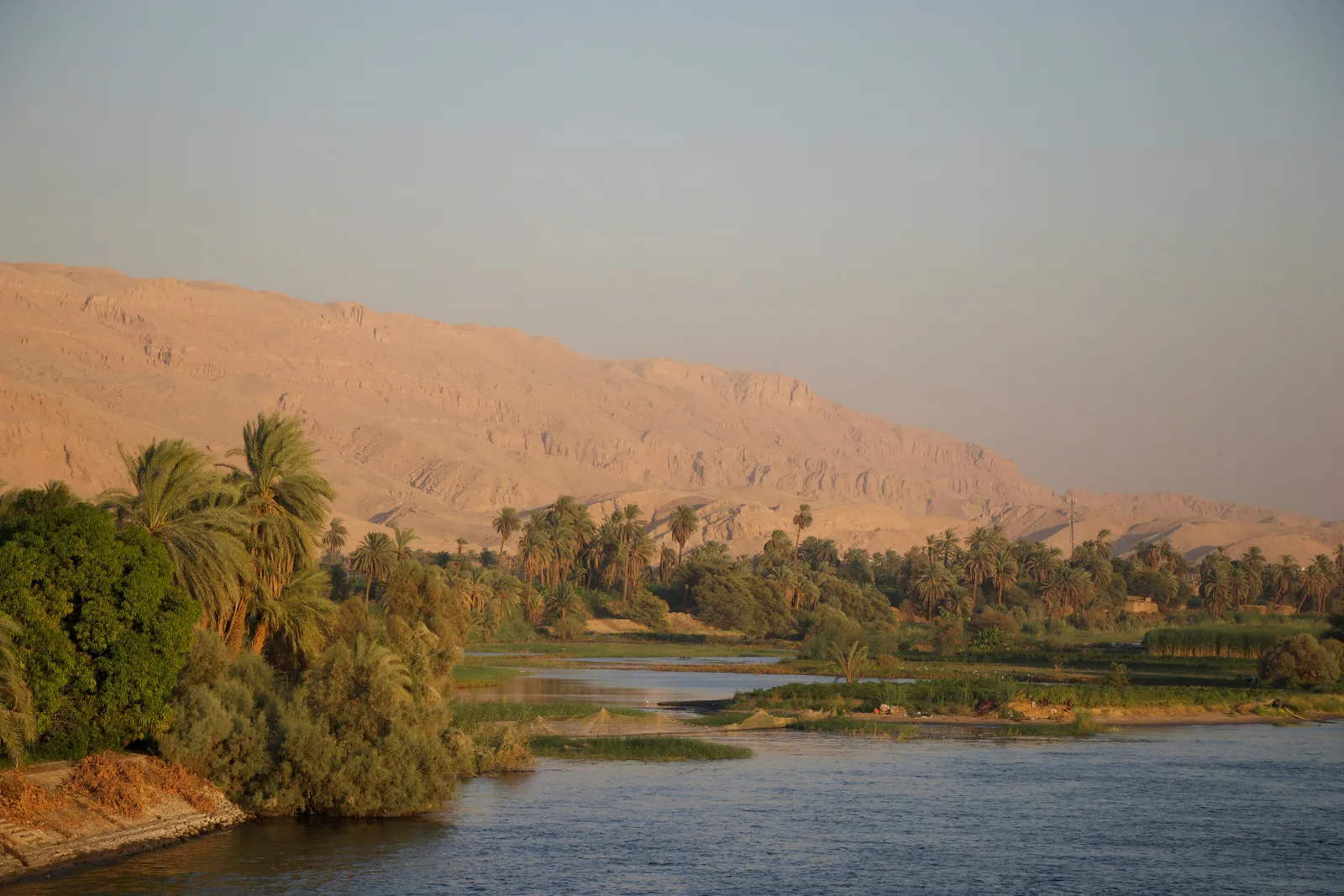
Oceanographer Alberto Borges at the University of Liège compared methane-oxidizing microbes in Belgian and African rivers and found the biological methane filter is more active in Africa. Even where bacteria work harder, Borges reports the effect remains insufficient to offset the methane emissions boost expected from global warming and nitrate pollution.
Some climate headlines feel like weather reports. This one reads like an accounting problem.
In a comparative study, oceanographer Alberto Borges of the University of Liège examined how methane in rivers gets “cleaned up” before it reaches the atmosphere. The mechanism is biological oxidation: certain bacteria consume methane in water, acting like a natural filter that can slow the gas’s release. But Borges also found the punchline that matters for decision-makers and scientists alike, the filter has limits.
Borges reports that methane-oxidizing activity is stronger in African rivers than in Belgian rivers. Even with that geographic advantage, the biological filter is still insufficient. It cannot fully offset the rise in methane emissions expected because of global warming, and it also does not compensate for methane dynamics affected by nitrate pollution. In other words, nature is doing part of the job, but the job is getting bigger faster than the microbes can keep up.
Why this matters beyond the lab comes down to how the world thinks about methane. Methane is a powerful greenhouse gas, and it is not only released from obvious industrial sources. Rivers can be “natural plumbing” in the carbon cycle, shifting gases between land, water, and air. When researchers quantify how much methane gets consumed biologically, they are effectively estimating how much gets prevented rather than emitted. That distinction can influence how policy and mitigation strategies prioritize spending, because methane has different levers than carbon dioxide.
In this case, the study draws a clear line between local biological capacity and global drivers. The microbes may oxidize methane efficiently in certain settings, but global warming is expected to increase methane emissions overall. So even if a river system offers a stronger microbial filter, the climate forcing is still moving in the wrong direction. Executives who fund, govern, or regulate climate-related work often ask a blunt question: are we seeing scalable mitigation or just local variance? Borges’s results lean toward “local variance,” not “system-wide salvation.”
The study also connects the methane story to nitrate pollution. Nitrate pollution is a form of nutrient stress that can reshape aquatic ecosystems. While the source text does not detail the exact biochemical pathways, the implication is straightforward: when nitrogen compounds rise in waterways, the balance of microbial processes can shift. That can mean less effective methane oxidation, more methane reaching the atmosphere, or both. For decision-makers, the operational takeaway is that mitigation cannot be treated as a single-variable problem. If methane-oxidizing bacteria are part of the answer, nutrient pollution can be part of the constraint that shrinks the answer.
There is also a governance and compliance angle here. Many jurisdictions manage pollution through water quality standards, wastewater regulation, and agricultural runoff controls. Methane emissions are often discussed in energy and industry policy, but the river pathway highlights why environmental agencies cannot silo water quality from climate goals. If nitrate pollution alters greenhouse gas outcomes in rivers, then “water” policy can become climate policy, even when the mandate looks local.
From a market perspective, this kind of research strengthens the case for measuring emissions across multiple pathways rather than assuming one dominant source. The world tends to prioritize what is easiest to count. Biological methane oxidation is a natural process, and it is geographically variable, as Borges shows by comparing African and Belgian rivers. That variability is not a footnote. If bacterial methane consumption differs across regions, then emissions inventories and risk models that treat all river systems as equivalent can miss meaningful differences.
For boards and executive teams, the second-order implication is resource allocation. If mitigation relies partly on ecosystem processes, then funding decisions must consider environmental inputs that sustain or weaken those processes, including nutrient pollution. Otherwise, organizations can invest in one lever while regulators or natural constraints pull in the other direction. Borges’s study is a reminder that even when a natural “biological filter” exists, climate forcing and pollution can overwhelm it.
Put plainly: methane-eating bacteria in rivers are real and they do work, more in African rivers than in Belgian rivers. But the study says the biological filter remains insufficient. Global warming is expected to raise methane emissions, and nitrate pollution is part of why the microbes cannot catch up. For executives tracking climate risk, this is a sober signal that mitigation requires both climate action and watershed management, because the atmosphere does not negotiate with ecosystem limits.
This story's Key Insights and Take-aways are locked.
Create a free account to unlock Executive Actions for one credit.
Register to UnlockAlways free for Executives Club members. Join the Club
More in Science

Alaska's 1,580-foot tsunami had warning signs. Scientists just found them.
Rapid glacier retreat, heavy rainfall, and thousands of tiny tremors preceded Alaska's 1,580-foot tsunami, a warning for every coastal community in a warming world.

The rare mutation that lets high-risk brains dodge Alzheimer's
Scientists found a natural defense against protein buildup, opening a new path to preventive treatments.

3,000 steps a day may halve Alzheimer's decline, study finds
New research links a modest daily walk to less tau buildup and nearly half the cognitive and functional decline, even for those with early signs.