

Alex Karp calls tokenmaxxing “porn addiction” and warns businesses about “commodity cognition”
Palantir’s CEO argues large language models alone just create more tokens, more bills, and not more value.
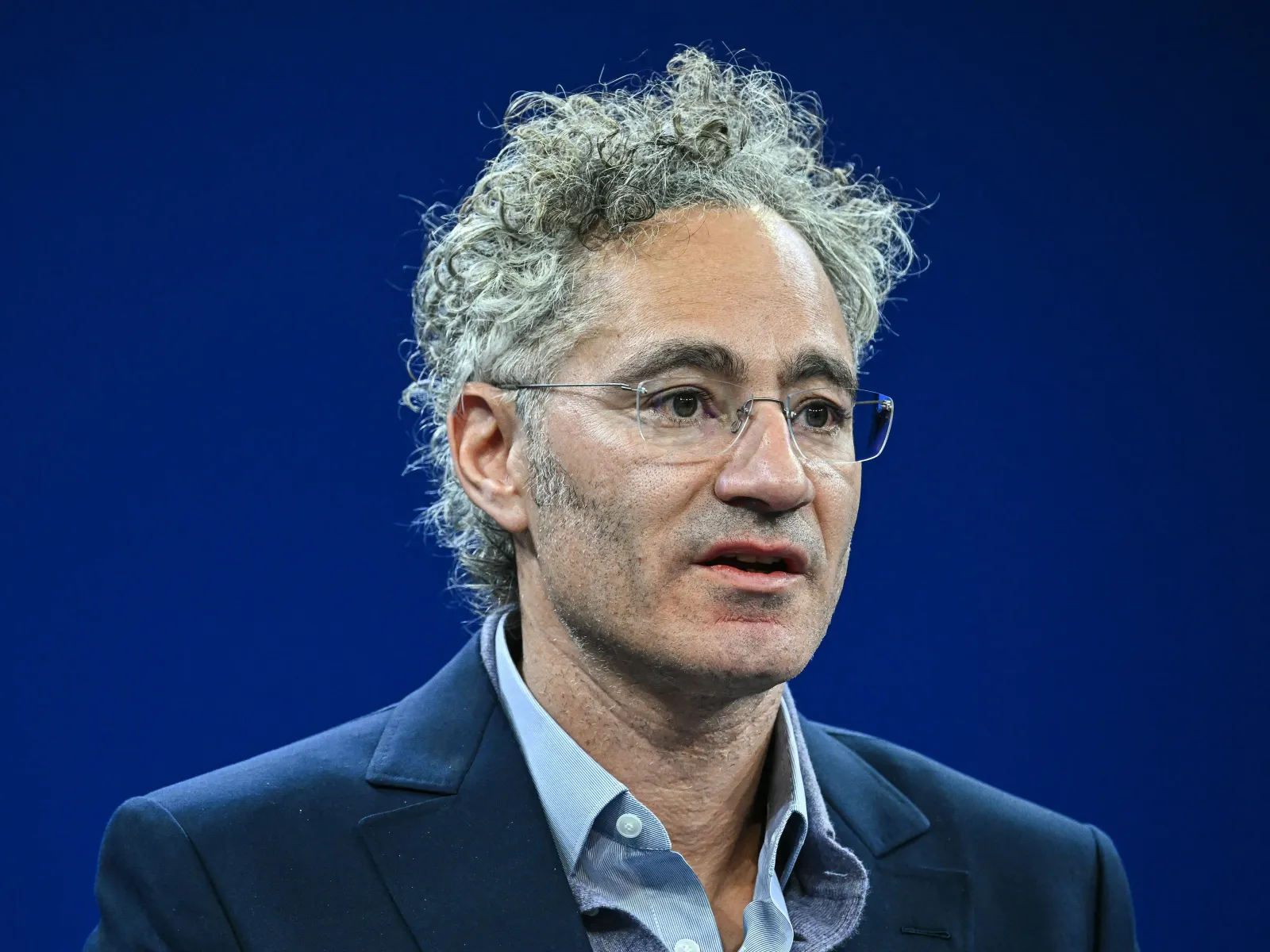
Palantir CEO Alex Karp compared tokenmaxxing to “like sitting there all day kind of like a porn addiction,” during an interview tied to Palantir’s AIP Con 10. He says AI large language models can enhance complex, ongoing business processes, but not replace them, and warns that more tokens often equals “more slop.”
Palantir CEO Alex Karp just took the “tokenmaxxing” debate and lit it on fire. On the sidelines of Palantir’s AIP Con 10, Karp compared the culture of pushing AI usage to an insatiable extreme to a porn addiction: “People are just sitting there all day.” Then he added Palantir’s internal framing, describing token tracking during the interview as the “demastibatory, like get off masturbation thing internally.”
The underlying claim is straightforward, and it matters because it hits directly at how businesses buy and run AI. Karp is arguing that large language models alone cannot solve many of the problems companies face. Tokens are the building blocks of large language models, and because AI companies often charge based on the number of tokens consumed and the model used, “more tokens” can become a very expensive habit. In Palantir’s ecosystem, Karp is pushing a different view: tokens are not the strategy, the grounded system is.
If you have been following AI spending this year, you have probably watched the same pattern repeat: usage climbs because the models get better, and cost follows because pricing tracks tokens. In the last few weeks, parts of Silicon Valley and the broader tech community have swung hard against tokenmaxxing, the culture that championed almost unfettered AI usage to match the rise and capability of AI agents. Uber COO Andrew Macdonald put it in business terms, saying Uber was struggling to see the link between rising AI bills and meaningful returns like increased productivity. Karp’s comments land in the same place, just with a more vivid analogy.
Palantir CTO Shyam Sankar gave the “why” on an earnings call last month, echoing Karp’s point with a phrase built for finance teams: “More tokens means more slop.” Sankar told analysts that cheaper AI alone will not create more value unless you have a system like Palantir’s AIP, Palantir’s Artificial Intelligence Platform, that grounds an AI model. He also argued that as companies consume more “commodity cognition,” they need a system designed to prevent economic harm, so the economic value that could exist is actually harnessed rather than drowned in low-grade output.
This is where Karp’s remarks connect to something executives run into every quarter: the temptation to measure what is easy rather than what is valuable. Tokens are easy to count. Productivity outcomes are harder. Taste is harder still. Karp explicitly challenged the idea that teams should assume they can just scale usage and scale value. He said these things can be scaled “in a very valuable but largely going to commodify way,” but you cannot scale the “taste” of the business problem you want to solve. That word choice is not accidental. It points to differentiation that does not come from raw model consumption, but from how you define the problem, structure the workflow, and keep the AI from turning into expensive noise.
Karp also described a shift in how the industry talks about AI reliability and competitive differentiation. He said that when he first met the TBPN crew, it was “like AI, maybe real.” Then, “until about two weeks ago,” there was a moment of “holy fuck, this is real, but somehow it’s not working,” and, crucially, “we’re not allowed to say it publicly because we’ll look stupid.” That detail matters for board-level risk, because it implies a communications lag: leaders recognize operational failures, but incentives sometimes discourage honest early discussion. Karp’s framing suggests the conversation is becoming more permissible, even necessary.
The strategic stake is not “don’t use AI.” Karp is not arguing for zero usage. He is making a boundary claim about what models can and cannot do. He gave examples of prompts where language models are genuinely helpful, like writing a report on GDP growth in China. But he drew a hard line at the more complex dilemmas. For tasks like understanding a specialized oil and gas drilling approach that is legal and ethical while reducing production costs, or changing a supply chain across military, building boxes, or cars, Karp said these require “actual, precise ongoing processes.” In his view, large language models enhance those processes, and “They are enhanced by large language models. They are not replaced by large language models.”
So what should other executives take from this, beyond the shock-value analogy? Tokenmaxxing is not just a cultural meme. It is a procurement and operating model. When pricing follows tokens and usage follows hype, costs can climb without a corresponding lift in output quality, decision quality, or measurable productivity. Karp’s and Sankar’s message is that your AI strategy cannot be “consume more.” It has to be “ground the model in a system that prevents harm and preserves value,” paired with an ability to solve the real business problem rather than just the nearest prompt. For leaders trying to justify AI spend to boards, the uncomfortable question is simple: are you buying cognition, or are you paying for slop?
This story's Key Insights and Take-aways are locked.
Create a free account to unlock Executive Actions for one credit.
Register to UnlockAlways free for Executives Club members. Join the Club
More in Business

Anthropic’s Levant Alpöge cracks the Jacobian conjecture after 87 years
A Harvard valedictorian used Claude to hit a 1939 breakthrough, but the missing “why” is the real problem.

Uber buys Delivery Hero for nearly $15B, vaulting to top food delivery outside China
The deal doubles Uber's dual-services footprint and pushes a ride-and-eats bundling play into 50 more markets.

Epic and Google drop settlement bid, forcing rival Android app stores by July 22
Google told the court it is ready to carry third-party app stores starting Wednesday, July 22.