

Algerians vote in parliamentary elections as hundreds of would-be candidates get sidelined
The vote goes forward, but sidelined hopefuls, deadly Ivory Coast flooding, and Cameroon waste show how quickly systems slip.
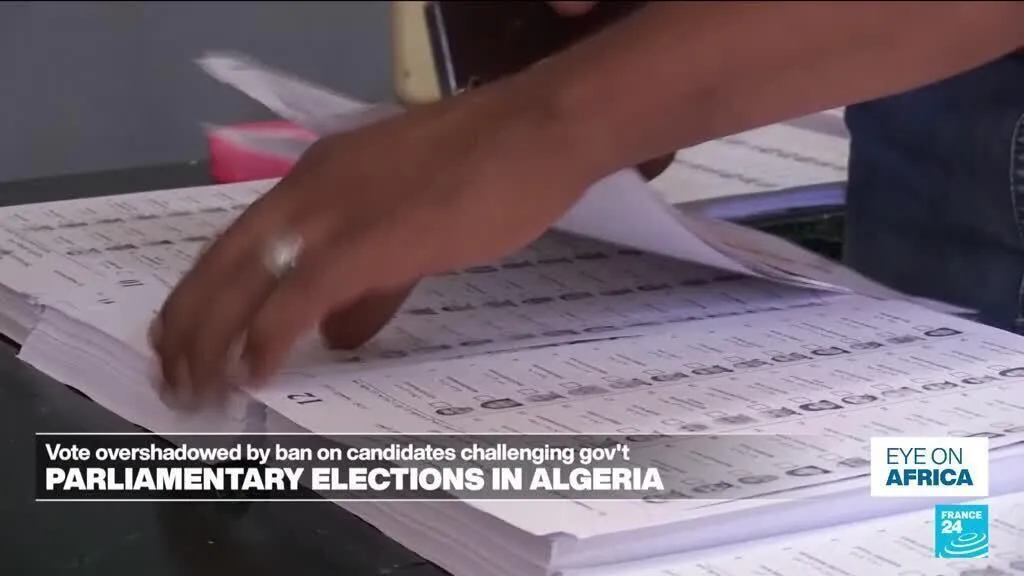
Algerians headed to parliamentary elections, in an exercise overshadowed by the sidelining of hundreds of would-be candidates. The same news cycle also reports dozens of deaths in severe flooding in Ivory Coast and environmental damage from tons of rubbish in a Cameroonian waterfront community.
Algerians are voting in parliamentary elections tonight, but the event is already shaped by a major, credibility-testing shadow: hundreds of would-be candidates have been sidelined.
That means the election is not just about who wins seats. It is also about who was allowed to compete for them, and what that does to public trust, governance legitimacy, and the quality of representation. When large numbers of aspiring candidates are kept out, even supporters of a process can start asking whether the system is selecting leaders or narrowing options. For decision-makers watching from business, investor, or civil society angles, this is a reminder that political risk is not only about dramatic events. It can be baked into the rules of participation long before results are counted.
To understand why sidelining candidates matters, it helps to zoom out on how parliamentary elections typically function in countries where political competition is central to coalition-building. Parties and movements do not just campaign for votes. They also recruit, vet, and translate public support into seats that then influence legislation, budgets, and oversight. When hundreds of would-be candidates do not get the chance to stand, parties may adjust their strategies. Voters may feel their choices are being curtailed. And for the eventual lawmakers, the path to office can become less about broad political legitimacy and more about navigating the gatekeeping that determines who can even run.
That affects second-order outcomes that executives tend to care about even if they do not track ballots day-to-day. A parliament with reduced candidate diversity can mean narrower policy bargaining later. It can also raise the probability of instability, strikes, or street-level tension if people interpret exclusion as systemic rather than technical. Even in calmer environments, it tends to increase the cost of operating: more uncertainty in enforcement of regulations, more unpredictability in procurement and contracts, and a larger premium on stakeholder management.
The same edition flags two other crises that, while geographically separate, point to a shared theme: when systems strain, the impacts cascade quickly. In Ivory Coast, severe flooding has killed dozens of people. Flood disasters are not just human tragedies; they stress infrastructure and local administration, disrupt supply chains, and can trigger emergency spending that reorders budget priorities. For boards and finance teams, that has a practical dimension. Disaster response can move money fast, and it can also move risk. Insurance claims, transport disruptions, and contract delays do not wait for political calendars.
Then there is Cameroon, where a waterfront community once surrounded by black volcanic sands is seeing its environmental heritage swamped by tons of rubbish. This is the kind of issue that looks local until it gets economic and regulatory. Water and coastal environments are often tied to livelihoods, tourism potential, and public health. When refuse becomes overwhelming, it usually signals a breakdown across collection, enforcement, and funding, which can spill into higher compliance expectations, stricter oversight, and reputational pressure on public authorities. Even if private companies are not directly responsible, they can inherit the consequences through stricter local rules, stakeholder backlash, or project delays.
Put together, these stories create a broader executive lesson: political participation constraints, disaster shocks, and environmental degradation are all signals of system stress. None of them stay contained. Parliamentary elections, flooding, and waste problems each reveal how governance choices and institutional capacity influence what happens next. For leaders in similar roles, the question is not only who holds power, but how resilient the pathways to power are, and how quickly the consequences of institutional strain show up in public life and operating conditions.
This story's Key Insights and Take-aways are locked.
Create a free account to unlock Executive Actions for one credit.
Register to UnlockAlways free for Executives Club members. Join the Club
More in Politics

Glacial collapse, not rain, killed 180 in Nepal's Himalayan flood
The Himalaya's extreme geography hid the true cause of Nepal's catastrophic flood, a glacial collapse that turned a geological battleground into a mass-casualty zone.

Iran’s Esmail Baghaei says Oman talks start shipping via Hormuz, not US talks yet
Temporary route plans with Oman aim to restart commerce while Tehran says Washington dialogue is not on the table.

Standards watchdog opens probe into Reform UK deputy leader Richard Tice over interests
The parliamentary standards commissioner says it began an investigation on 28 July into a possible undeclared interest.