

Alien Stage’s VIVINOS gets an official anime after Anime Expo 2026 announcement
The viral dystopian sci-fi musical web series is in production, signaling how quickly YouTube IP can become mainstream anime.
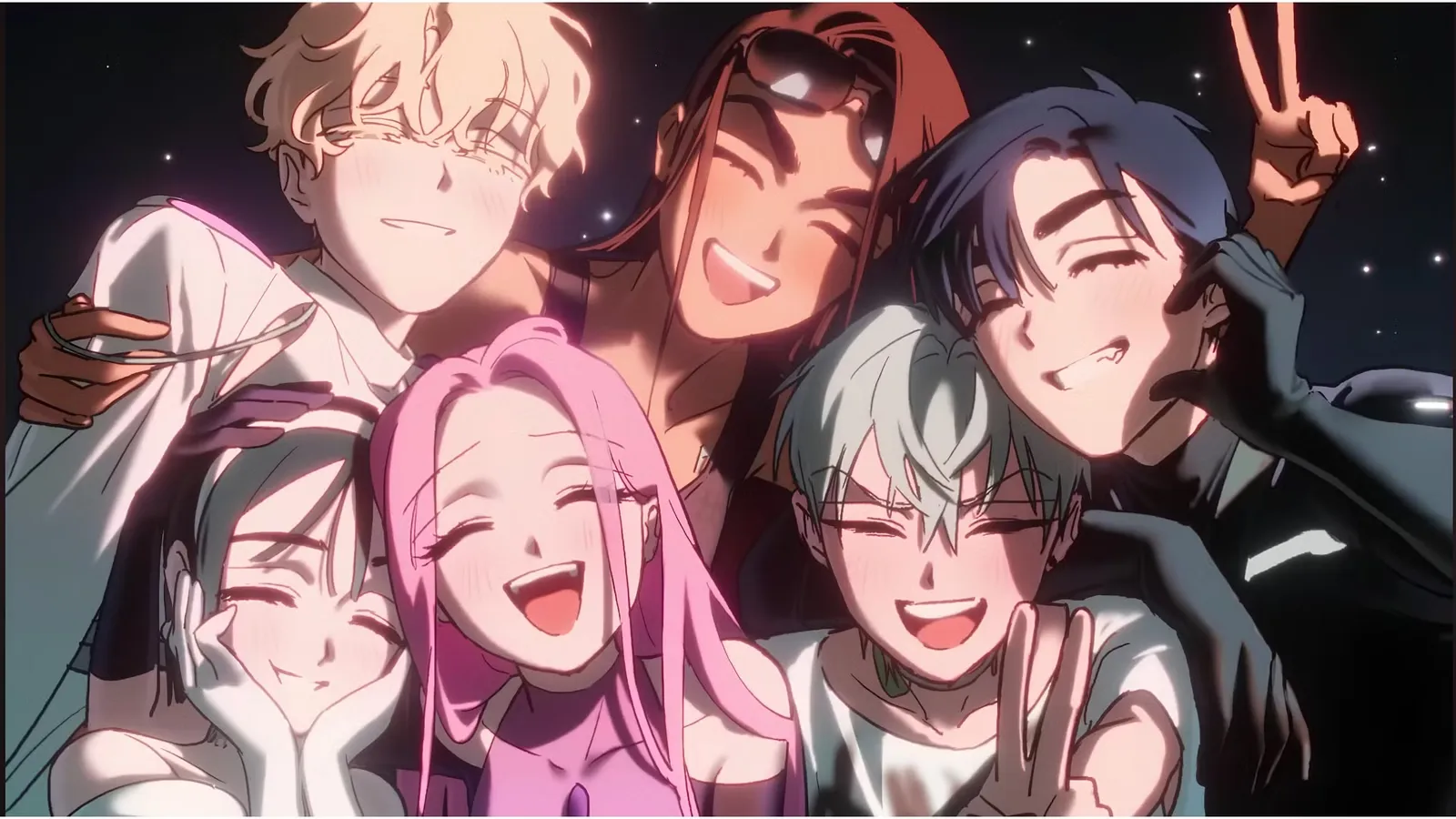
VIVINO, aka Soyeon Kim, and QMENG created and uploaded the viral YouTube series Alien Stage, and an Alien Stage anime series was announced as in production at Anime Expo 2026 in Los Angeles. For decision-makers, this is a live example of creator-led IP graduating to anime production pipelines.
Alien Stage is officially moving from YouTube cult phenomenon to anime pipeline. At its Anime Expo panel in Los Angeles, California, an Alien Stage anime series was announced as in production, as reported by Anime Corner. That means the dystopian sci-fi musical series that first built an audience online is getting the kind of platform and production treatment that typically takes years to earn.
The engine behind the original series is creator-led. Alien Stage was created and uploaded to YouTube by Soyeon Kim, better known as VIVINOS, along with QMENG. This matters because it is not just another “viral video becomes a franchise” headline. It is a case where a web-native property has crossed the threshold into a formal, high-budget anime format, and the announcement came through one of the industry’s biggest live events, Anime Expo.
To understand why this is a big deal for executives, you have to think in incentives, not vibes. Online animation ecosystems operate on fast feedback loops. Creators release work, audiences react quickly, and the series learns what sticks. A platform like YouTube can effectively function as a market test, long before traditional studios commit. When a show like Alien Stage graduates to anime, it is essentially a bet that the signals from the internet are strong enough to justify the structured costs and distribution complexity of anime.
Anime Expo itself is a meaningful venue because it sits at the intersection of fandom and industry networking. Announcements made there are usually designed for attention from both sides: fans want to know what is next, while studios and partners want to see where momentum is forming. In other words, this is not only a creative milestone. It is also a visibility event that can shape future partnerships around licensing, merchandising, soundtrack rights, and cross-media distribution.
There is also a momentum shift happening across the entertainment market. Studios and investors increasingly treat online animation not as a separate universe, but as the top of a pipeline. Creator IP gets measured in views, retention, and community growth. Then, when an IP proves it can survive outside a single upload cycle, it becomes a candidate for adaptation. The Alien Stage anime announcement is an example of that pipeline logic working in real time: a series that started on YouTube is now “in production” in the anime world.
From a strategic standpoint, executives should also notice what this implies about production timing and portfolio planning. The fact that the panel announced an in-production anime indicates a commitment beyond “development talk.” For boards and leadership teams, these moments often affect forecasting and resource allocation. If your company licenses, produces, or invests in content, creator-led successes can reprice what “valuable IP” looks like. It can also change how aggressively companies monitor creator ecosystems, because the window between “viral” and “official adaptation” may be shorter than legacy playbooks assume.
Now zoom out to the market-wide second-order effects. When a web series like Alien Stage becomes an anime, it can pull more creators toward formats that are adaptation-friendly, such as strong character arcs, serialized narratives, and music-driven storytelling. It can also intensify competition for rights, since the creators and their distribution partners often hold crucial leverage when an audience is already proven. And for mainstream advertisers and platform partners, anime adaptations can become a way to reach established fanbases without starting from scratch.
For decision-makers at adjacent companies, the stake is simple: if YouTube-native animation can reach Anime Expo-backed anime production status, then content strategies that ignore web-origin IP are exposed. The Alien Stage anime announcement reinforces a reality operators know but sometimes underweight: the next franchisable IP might not come from a traditional studio system at all. It can start as a dystopian sci-fi musical uploaded by individual creators like Soyeon Kim, aka VIVINOS, and QMENG, and then scale into something the broader anime industry officially greenlights.
This story's Key Insights and Take-aways are locked.
Create a free account to unlock Executive Actions for one credit.
Register to UnlockAlways free for Executives Club members. Join the Club
More in Entertainment

Russell Brand's accuser 'bewildered and confused' as he denies 7 sex charges
The criminal case against the comedian is a live test of how media companies manage talent risk when serious allegations go public.

'It's a Magic Trick': Ballet Experts Say Rosalía's SNL Pose Is Impossible
Three ballet experts tell Rolling Stone Rosalía's gravity-defying SNL stillness shouldn't be possible - and why the debate is now part of the show.

Activision CMO: GTA 6 Will Boost Call of Duty, Not Bury It
Activision's top marketer says Rockstar's blockbuster will drive players back to consoles and into Modern Warfare 4, even as the company admits its recent strategy failed.