
Amazon brings 30-minute delivery to Manchester, Birmingham and fresh groceries
Amazon is widening ultra-fast UK delivery while adding same-day fruit and vegetables, a move that raises the bar for grocery rivals and tests how far convenience can stretch after store closures.
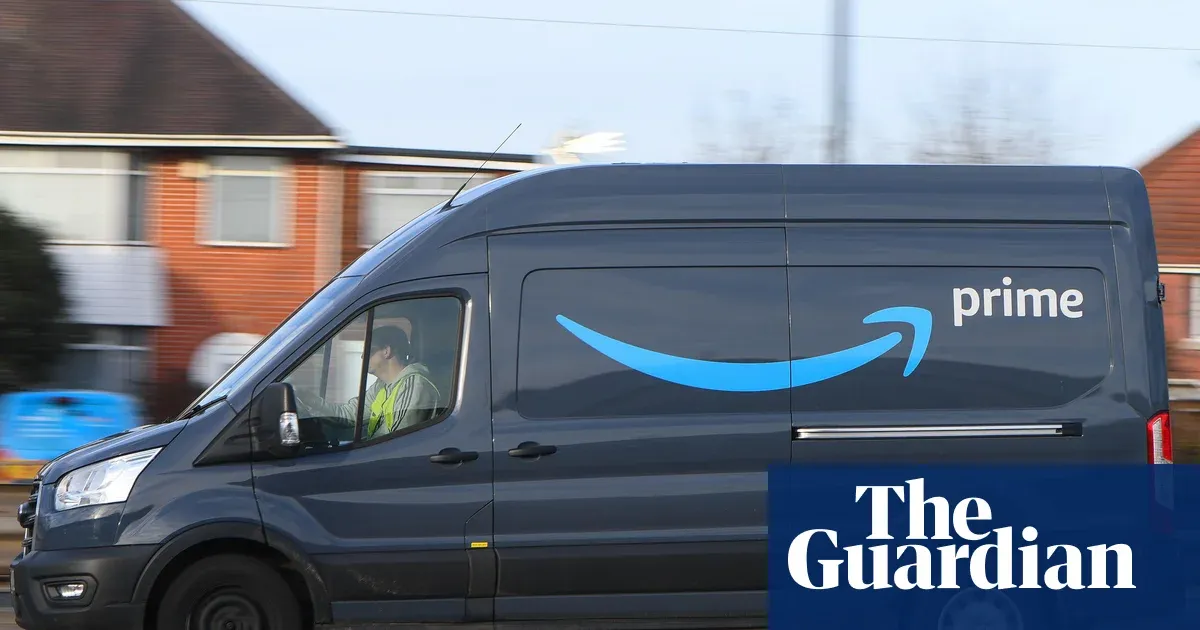
Amazon is expanding Amazon Now, its ultra-fast delivery service, from parts of London to Manchester and Birmingham this year, while also adding fresh fruit and vegetables to same-day grocery delivery in London. For executives, the signal is clear: Amazon is doubling down on speed and grocery convenience even after closing its standalone grocery stores.
Amazon is taking its fastest UK delivery play beyond London. The company said it will expand Amazon Now, its ultra-fast service that already delivers goods in less than 30 minutes to parts of the capital, to Manchester and Birmingham this year. At the same time, it is adding fresh fruit and vegetables to same-day grocery delivery in London, turning a service that once moved household items quickly into something much closer to a full grocery run.
That matters because the move comes after Amazon closed its standalone grocery stores. In other words, the company is not backing away from groceries in the UK. It is changing the format. Instead of asking shoppers to visit a separate physical store, Amazon is leaning harder into delivery speed, app-based convenience, and a tighter link between everyday shopping and its logistics network. For rivals, that is a familiar Amazon move with a new twist: fewer storefronts, more fulfillment, and a sharper promise that the things you need can show up almost immediately.
The practical stakes are pretty obvious. Ultra-fast delivery resets customer expectations fast, especially in major cities where convenience can become the deciding factor.
This story's Key Insights and Take-aways are locked.
Create a free account to unlock Executive Actions for one credit.
Register to UnlockAlways free for Executives Club members. Join the Club
More in Technology

OpenAI says 10,000 agents cracked a 90-year math problem in 88 hours
The company's claim is audacious, but one mathematician is pushing back. Here's what it means for AI-driven discovery.

Meta still serves child sexual abuse ads on Instagram in India - BBC report
A new report following the BBC Eye investigation says the ads are still there - what it signals for every platform with a self-serve ad engine.

White House yanks 'Build the Wall' game after Tetris Company copyright warning
The administration's arcade game vanished in hours - and the takedown playbook every brand can learn from.