
Amazon delays Tomb Raider: Catalyst to 2028, piling more risk onto Lara’s comeback
Amazon’s gaming boss confirmed another long slip for Catalyst, after delays hit multiple Tomb Raider efforts.
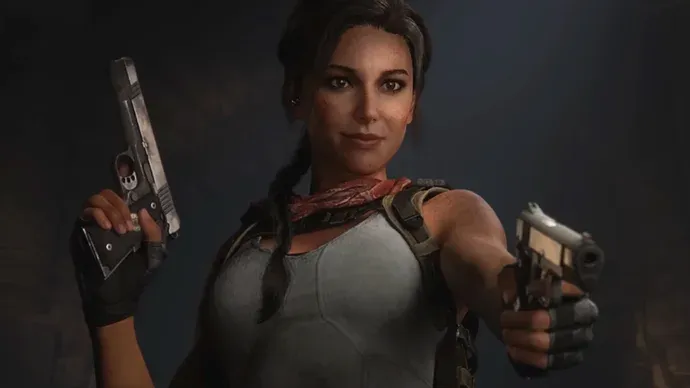
Amazon’s gaming leadership has confirmed Tomb Raider: Catalyst will not arrive until some time in 2028. For decision-makers, the cascading delays highlight the operational and financial stakes of building games and shows at the same time.
Lara Croft’s return keeps getting pushed further out. After setbacks for Amazon’s Tomb Raider TV plans and a delay for Tomb Raider 1 “reimagining” Legacy of Atlantis, Amazon’s gaming boss has now confirmed that Tomb Raider: Catalyst will also miss its earlier window, and it now will not show up until some time in 2028.
If you are tracking this as a strategic portfolio moment, the practical answer is simple and not great: Catalyst is no longer an “upcoming” release on any near-term horizon. The confirmation effectively turns Lara’s comeback into a longer-duration bet, where the timetable for converting audience hype into measurable outcomes shifts by years.
This matters because Amazon is not just launching one product. The source notes a sequence: TV show setbacks first, then a delay for the Tomb Raider 1 “reimagining” Legacy of Atlantis, and now another delay for a separate Lara adventure, Tomb Raider: Catalyst. In other words, this is not a single slip caused by one isolated production hiccup. It looks like a broader execution and planning challenge across related content.
In the game industry, delays are rarely one thing. They can be the result of scope changes, quality bars rising during development, new priorities from leadership, or the unglamorous reality that production calendars are easier to plan than to protect. When you pair that with the fact that Amazon is also pursuing a Tomb Raider TV path, the coordination overhead increases. Studios and publishers can have different teams, but they still share constraints: creative direction, staffing, budgets, and brand timing. A TV setback can ripple into how a game is marketed and positioned, while a game delay can force marketing plans to reframe around different moments in the entertainment cycle.
There is also the capital and planning dimension. A delay to 2028 does not just move a release date. It changes the shape of a publisher’s pipeline. Even if the end product stays on track, decision-makers must manage the gap between “spend” and “return,” including internal targets, external expectations, and how much uncertainty the organization can tolerate without losing momentum. In board-level terms, longer lead times make it harder to forecast performance and easier for risk to compound: if one project slips, others can get pressured to catch up, which can in turn trigger more slippage.
Another second-order effect: competition for attention does not wait for your release schedule. Fans move on, adjacent franchises land new content, and streaming or gaming platforms keep rotating the spotlight. When a marquee character like Lara Croft is delayed further into the future, the brand still exists, but the timing advantage becomes harder to bank. Executives planning go-to-market strategies typically want tight alignment between content beats across formats. The source’s details underline that alignment has been disrupted, first on the TV side and now on the game side.
From a governance perspective, delays also put pressure on decision-making inside organizations. Gaming bosses and their leadership teams must balance creative ambition with production discipline. Every extra month can increase costs, but every attempt to accelerate can threaten quality, which then raises the likelihood of additional fixes. The source does not provide reasons, but it does confirm the outcome: Catalyst is now targeted for some time in 2028. That is a clear signal that the team has chosen certainty of completion over earlier delivery.
For peers watching Amazon’s Tomb Raider push, the strategic lesson is broader than Lara Croft. When entertainment companies build multiple linked properties at the same time, they create interdependencies that can stretch timelines in multiple directions. If you are an operator or investor assessing similar pipelines, the question shifts from “Will this game ship?” to “How robust is the whole system when one component slips?” Amazon’s latest confirmation suggests the system is currently under strain, and decision-makers should treat timing risk as a core input, not an afterthought.
The bottom line: Catalyst is heading to 2028, and it is arriving later than anyone who hoped the comeback would be quick. If you are planning around Amazon’s gaming expansion, you now have to plan for a longer wait, a longer uncertainty window, and a portfolio that will be judged on execution years from now, not next quarter.
This story's Key Insights and Take-aways are locked.
Create a free account to unlock Executive Actions for one credit.
Register to UnlockAlways free for Executives Club members. Join the Club
More in Entertainment

'It's a Magic Trick': Ballet Experts Say Rosalía's SNL Pose Is Impossible
Three ballet experts tell Rolling Stone Rosalía's gravity-defying SNL stillness shouldn't be possible - and why the debate is now part of the show.

Activision CMO: GTA 6 Will Boost Call of Duty, Not Bury It
Activision's top marketer says Rockstar's blockbuster will drive players back to consoles and into Modern Warfare 4, even as the company admits its recent strategy failed.
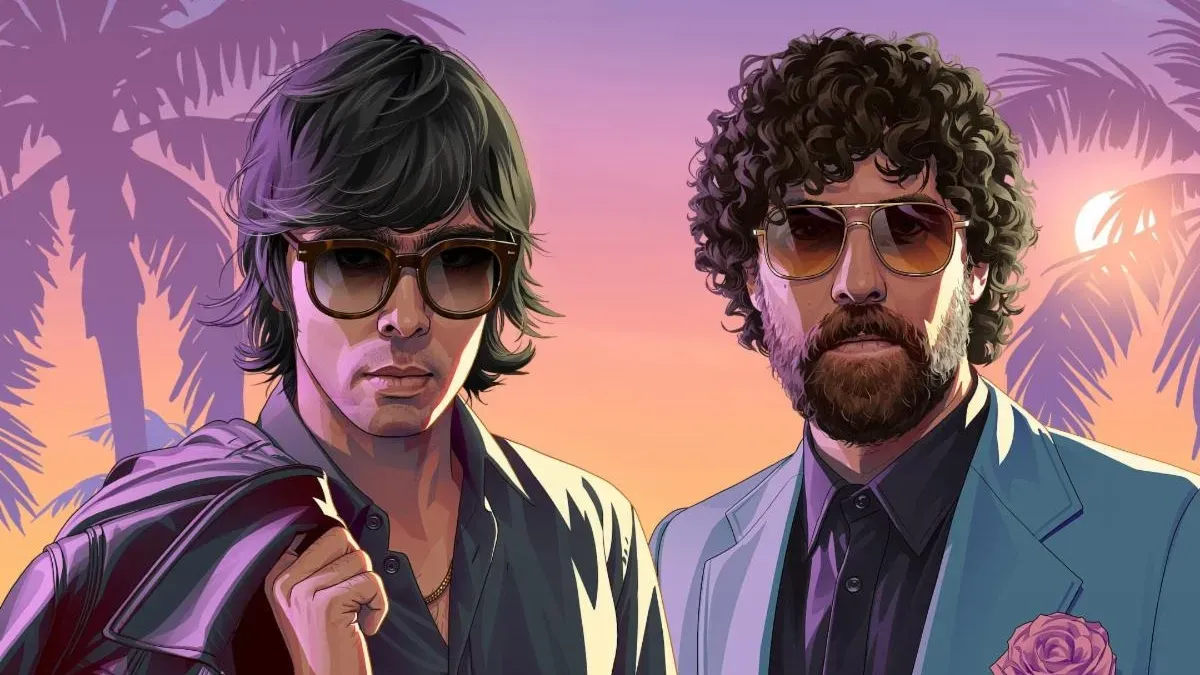
Justice to Score GTA 6, Share New Song with Tame Impala, SZA, King Gizzard
Rockstar taps the French duo for the GTA VI score, and the first taste is a genre-melting collab with Tame Impala, SZA, and King Gizzard & The Lizard Wizard.