
Amazon drops a free Batman Luna game for season two, no console required
Executives get a quick read on how Amazon is turning its Batman moment into frictionless streaming gaming demand.
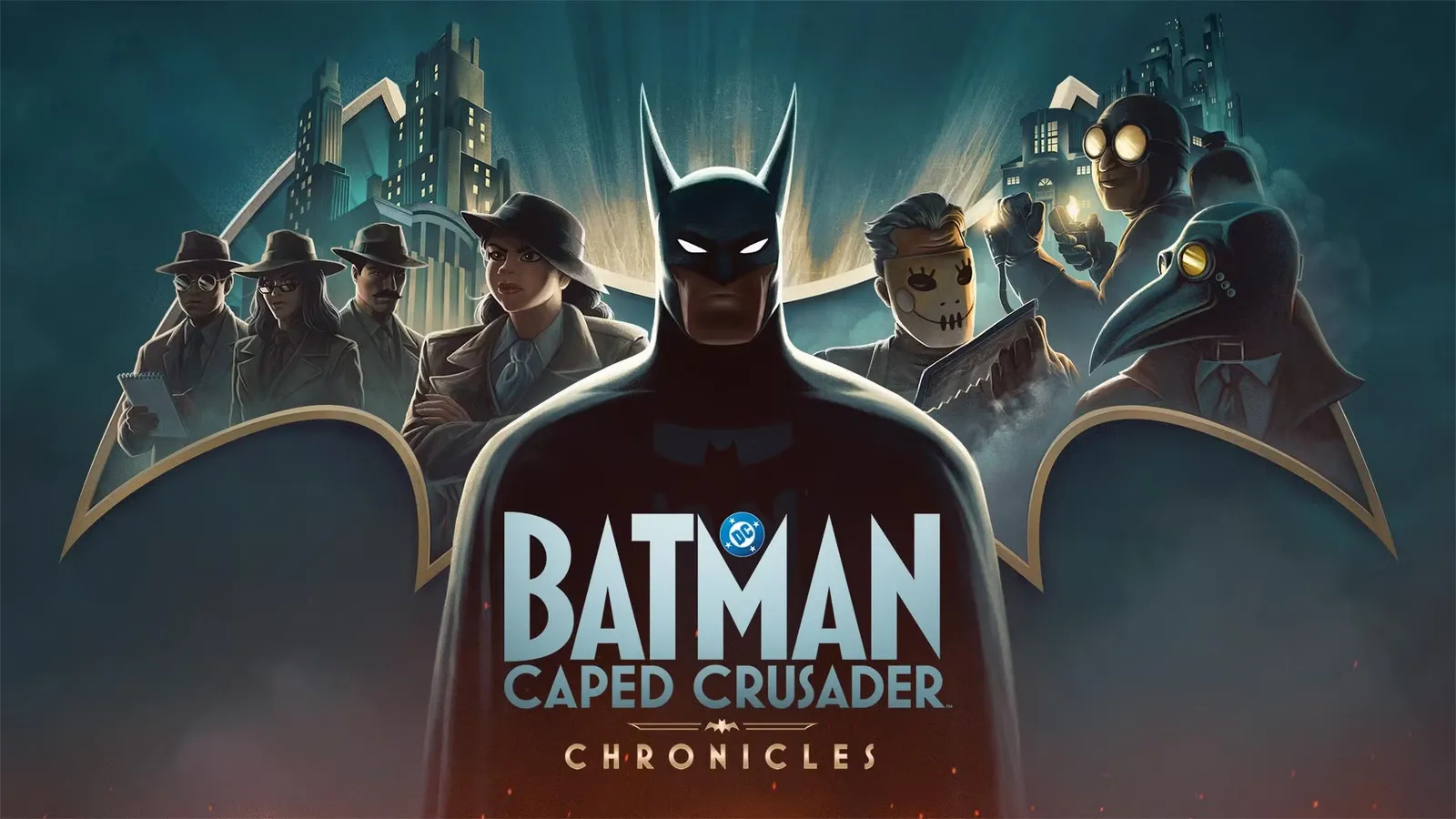
Amazon is giving away a Batman game via Luna to celebrate the release of season two of its animated Batman show. Decision-makers should note how “free, controller-less” access changes how audiences sample and how platforms compete for attention.
Amazon has quietly turned its Batman season two hype into a distribution play: a free Batman game is dropping via Luna, and you can play it without a console, without a gaming PC, and without even owning a gaming controller. That last part matters more than it sounds. In most gaming, the barrier is not just interest, it is gear. Amazon is removing that gear tax at the exact moment the show is most culturally loud.
The offer is timed to celebrate the release of season two of Amazon’s animated Batman show. Instead of asking viewers to move toward gaming hardware, Amazon is meeting them where they already are, with a cloud gaming experience on Luna. And because it is free, the onboarding friction is basically zero, which means the real experiment is not “can players pay?” but “will they try, fast, and keep engaging?”
To understand why this is strategically interesting, zoom out from Batman and look at how cloud gaming wins. Traditional console gaming asks for commitment upfront: buy hardware, manage storage, learn interfaces, maybe maintain subscriptions. Cloud gaming flips that sequence. It bets that convenience and immediacy can convert attention into usage, and usage into retention. Amazon’s pitch here is blunt: you do not need any of the usual setup. You just need access to Luna and the will to press play.
Now connect it to the content engine behind the promotion. Animated shows typically build familiarity. Viewers learn characters, tone, and the universe. Then the platform can extend that familiarity into interactive experiences. The source says the Batman game is an investigative game and includes classic Batman villains such as The Joker. That matters because it is not just a license badge. Investigative gameplay is well-suited to episodic worlds where viewers already care about mystery, motive, and character relationships. Amazon is leveraging existing brand gravity so the game feels like an extension, not a detour.
There is also a platform competition angle hiding in plain sight. Luna is positioned as an on-demand way to play games, and promotions like this are a way to attract people who might not otherwise sample the service. For executives evaluating consumer subscription and media distribution, sampling is everything. A free drop lowers the probability that a user says, “Not my thing” simply because the cost or effort is too high. If the user enjoys the game, the next question becomes whether they will stick around for paid content, higher-tier titles, or additional experiences.
Second-order implications extend beyond gaming teams. Amazon is effectively using a TV release cycle to drive engagement in another category. That is a pattern many media companies are chasing, because it turns passive viewers into active users. If you can get someone playing minutes after they watch an episode, you compress the time between brand awareness and product trial. Compressed trial windows usually improve the odds that a platform captures value, since churn risk drops when users have fewer steps between “I’m interested” and “I’m consuming.”
On the governance and compliance side, cloud gaming and streaming entertainment operate under different rules than traditional game retail, but the source does not include regulatory details. What is relevant for decision-makers is that distribution methods matter when it comes to accessibility, device requirements, and user experience. The offer explicitly removes the need for a console or PC and removes the need for a controller. From a product perspective, that is a user experience decision. From an operations perspective, it affects support load, device compatibility testing, and how onboarding instructions are delivered.
So what should leaders in adjacent roles take from this? Amazon is treating season two as a launch moment and Luna as the stage, then cutting the friction so hard that the “why now?” question answers itself. For executives, that is the playbook: use a high-attention cultural moment, wrap it in an interactive product, and eliminate the traditional entry requirements that slow adoption. The strategic stakes are simple. If Amazon can turn show viewers into game players quickly, it strengthens its ecosystem and makes “just another streaming service” harder to say. And if cloud gaming continues to make controllers and consoles optional, the bar for competitors is no longer “we have games.” It becomes “we make trying games the easiest it can be.”
This story's Key Insights and Take-aways are locked.
Create a free account to unlock Executive Actions for one credit.
Register to UnlockAlways free for Executives Club members. Join the Club
More in Entertainment

'It's a Magic Trick': Ballet Experts Say Rosalía's SNL Pose Is Impossible
Three ballet experts tell Rolling Stone Rosalía's gravity-defying SNL stillness shouldn't be possible - and why the debate is now part of the show.

Activision CMO: GTA 6 Will Boost Call of Duty, Not Bury It
Activision's top marketer says Rockstar's blockbuster will drive players back to consoles and into Modern Warfare 4, even as the company admits its recent strategy failed.
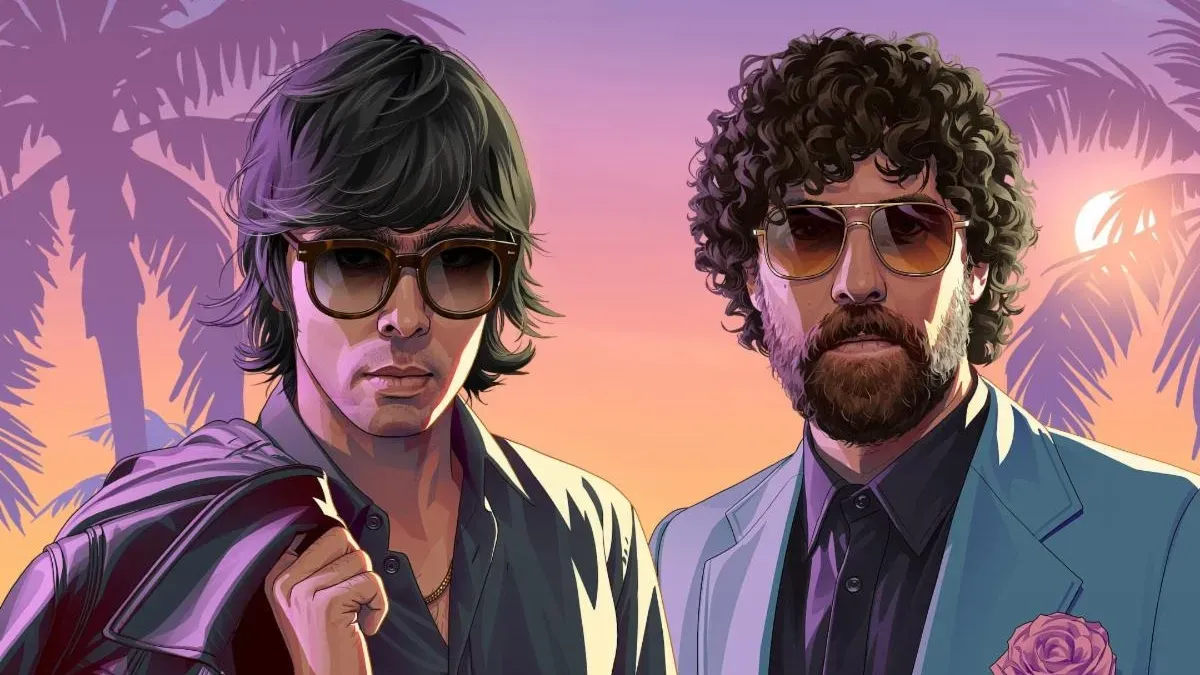
Justice to Score GTA 6, Share New Song with Tame Impala, SZA, King Gizzard
Rockstar taps the French duo for the GTA VI score, and the first taste is a genre-melting collab with Tame Impala, SZA, and King Gizzard & The Lizard Wizard.