
Amazon has enough Leo satellites to launch broadband, but its constellation is still tiny vs Starlink
Amazon says it is ready to deploy Leo service now, yet scale is the real competitive gap decision-makers will feel.
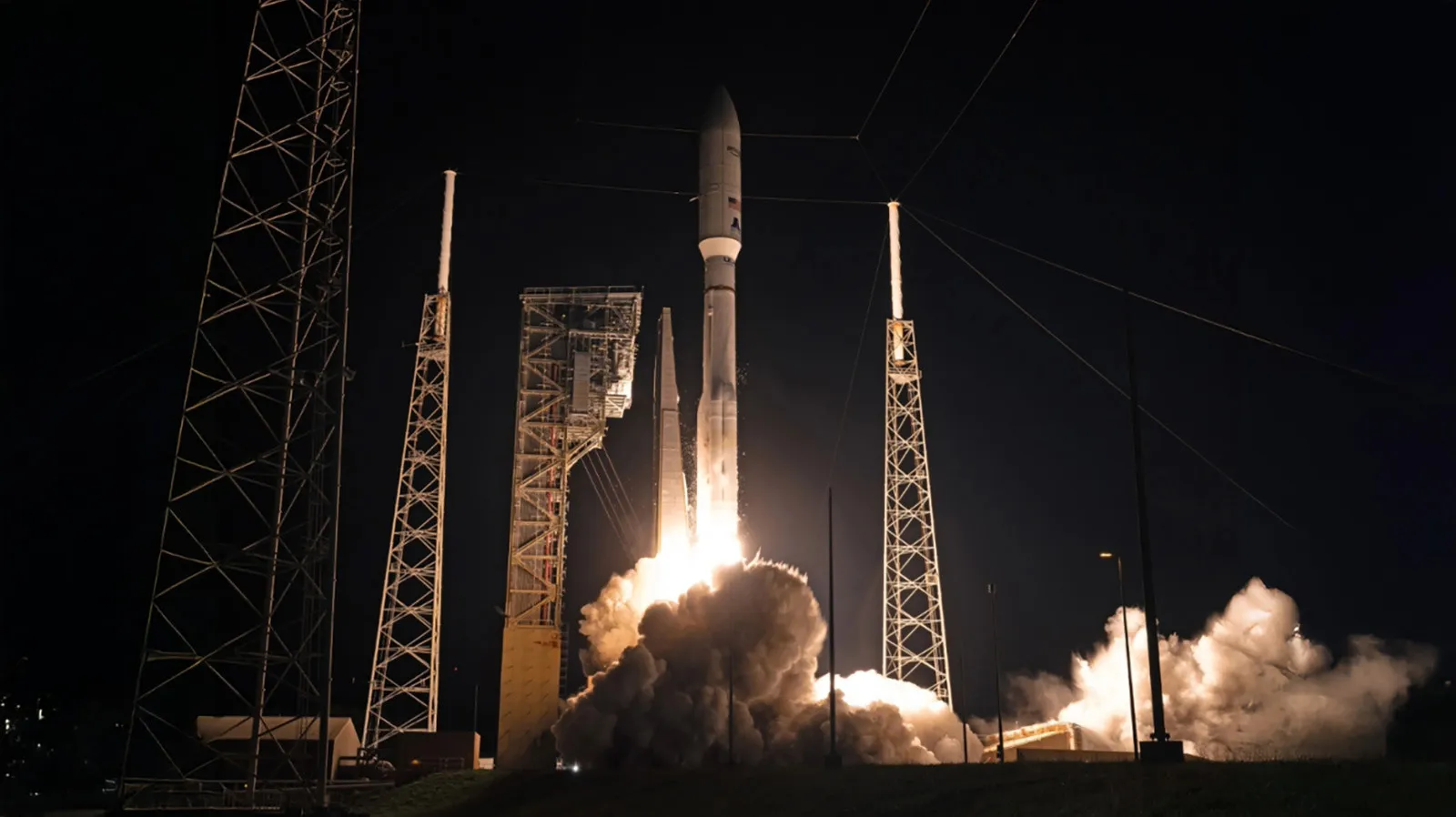
Amazon is ready to deploy its Leo satellite broadband service because it now has enough Leo satellites available. For decision-makers, the launch timing is real, but the constellation size suggests Amazon is entering with a scale disadvantage versus Starlink.
Amazon is ready to deploy its Leo satellite broadband service, according to Engadget, because the company has reached the point where it has enough satellites to start launching the service. That matters because satellite broadband is not a “demo later” business. It is a build-and-launch machine where timing depends on having enough in-orbit capacity to offer something other than a promise.
But there is a catch, and the source makes it explicit: Amazon's satellite constellation is still tiny compared to Starlink. In plain terms, Amazon can start deploying, but it is not starting from the same competitive footing. Starlink, built out earlier and at massive scale, effectively has more satellites meaning more coverage opportunities, more flexibility, and often better odds of consistent performance depending on location and network design.
Why should executives care about “tiny vs Starlink” beyond the spreadsheet? Because satellite broadband is a capacity game wrapped in a customer experience game. More satellites can translate into more consistent service, better throughput, and fewer “it works sometimes” moments. When you are selling connectivity, the bar is unforgiving. Even when technical performance is broadly acceptable, consumers and enterprise buyers notice dead zones, variable latency, or uneven coverage. With a smaller constellation, Amazon will likely be more constrained in how quickly it can deliver uniform coverage and reliability.
This is also a capital and execution story, not just a technology story. Satellite broadband operators must coordinate launches, ground infrastructure, user terminals, and service planning. The source tells us that Amazon has crossed the threshold of having enough satellites to launch. Crossing that threshold is a milestone, but it does not erase the harder work of scaling: adding more satellites, maintaining and expanding coverage, and building the operational muscle to keep the network humming.
There is a regulatory and political backdrop too. Satellite broadband lives under a complex web of national and international rules around spectrum, licensing, orbital slots, and interference management. Those constraints tend to slow down or shape how quickly operators can expand service. In that context, “ready to deploy now” is significant. It implies Amazon has worked through enough gating items to move from planning to deployment. Still, constellation size is the reality check: regulatory progress helps, but it does not automatically create scale.
Competitive dynamics are the other half of the equation, and the Engadget framing points straight at it. Starlink is the comparison point because it has become the most visible benchmark for satellite broadband performance and momentum. When Amazon launches with a constellation “still tiny,” it signals that the competitive battle will likely start on features other than pure coverage. That could include targeted markets, specific use cases, or staged rollout strategies. The key is that decision-makers should treat this launch readiness as the start of a long ramp, not as the arrival of a fully formed rival.
Second-order implications follow quickly. Boards and executives at satellite or telecom adjacent companies should assume that launch announcements can trigger customer pilots, partnerships, and procurement conversations even before a network is mature. Enterprises and governments often want optionality. If Amazon can offer a deployable Leo service, even at smaller scale, it becomes a credible alternative in vendor discussions. That can pressure incumbents and competitors to accelerate their own roadmaps.
At the same time, buyers will also compare constellations, not marketing. “Ready to deploy” is one milestone; “capable at scale” is another. The source's emphasis that Amazon's constellation remains small relative to Starlink is a reminder that network breadth can be the deciding factor for service consistency. Executives should expect that this launch will raise expectations while also highlighting gaps, which can become either leverage for Amazon or a vulnerability depending on how the rollout is managed.
This story's Key Insights and Take-aways are locked.
Create a free account to unlock Executive Actions for one credit.
Register to UnlockAlways free for Executives Club members. Join the Club
More in Technology

Nvidia's $89B data center quarter: the 9 companies cashing in
The AI buildout is minting fortunes beyond GPUs, and memory, cloud, and cooling suppliers are riding the same wave.

Google quietly links your phone number to every Android account on your SIM
Adding a SIM now ties your phone number to all Google accounts - and future accounts inherit it. Here's the security and privacy stakes.

Hijacker AI 'Skynet mode' runs 100,000 attack steps against exposed models
Symantec caught a criminal AI agent that borrows other models, steals data, and mines crypto; the only relief is no confirmed victims yet.