
Amazon killed new sideloading Fire Sticks, blaming malware piracy apps targeting Vega OS
Amazon says malware risk drove the switch to Vega OS devices that no longer support sideloading apps outside its Appstore.
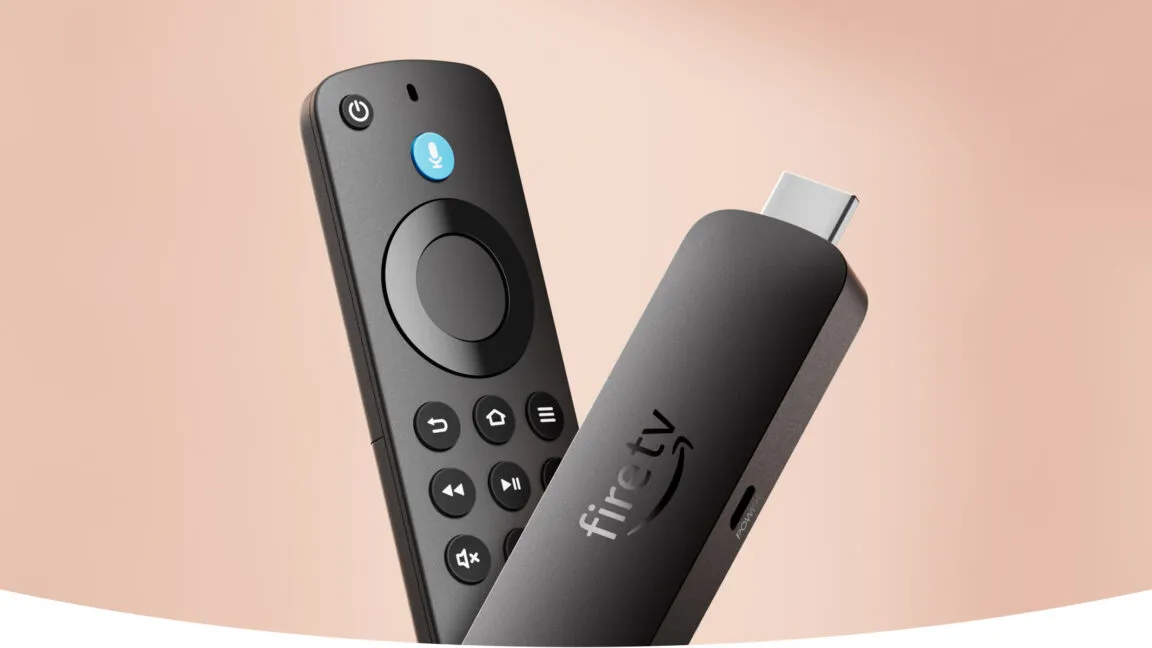
Amazon is blaming malware from piracy apps for stopping the release of new Fire Stick models that support sideloading. The company now ships Fire Sticks using Vega OS, which does not support sideloading, replacing older Fire Sticks running Fire OS based on Android.
Amazon is blaming malware from piracy apps for killing new Fire Stick sideloading. The change is not subtle: the latest Fire Stick models use Vega OS, and Vega OS does not support sideloading apps from outside Amazon’s Appstore.
To understand why this matters, start with the “what changed” and then the “what Amazon is trying to prevent.” Ars Technica reports that Amazon has released two Fire Stick models that use Amazon’s proprietary, Linux-based operating system, Vega OS. Earlier Fire Sticks ran Fire OS, an Android fork based on the Android Open Source Project, and those older devices did support sideloading. In other words, Amazon did not just tweak a policy, it moved the underlying platform in a way that removes sideloading capability.
This is the center of the dispute Amazon is framing, and it hinges on incentives. Sideloading is the mechanism that lets owners install apps that do not come through the Amazon Appstore, including mainstream apps from elsewhere such as the Google Play Store. For “tinkerers,” this was a feature, not a bug. But Amazon is leaning hard on a different association: sideloading has also become tied to streaming piracy, especially of sporting events. That piracy context matters because it is exactly where malware gets smuggled in. If you can get a device to run unvetted apps, you can also load apps that look useful, then behave maliciously.
So Amazon’s argument, as described in the report, is that the threat of malware made sideloading a liability it would no longer tolerate. By switching to Vega OS, Amazon reduces the attack surface in a way that is operationally cleaner than constant enforcement through an app store review system alone. It is also a product strategy move disguised as a security decision. When the underlying OS stops supporting sideloading, the problem is no longer “some third-party apps might slip through,” it becomes “the mechanism no longer exists.”
There is also a platform politics angle. Fire OS being Android-based meant Amazon was living on the Android ecosystem’s gravity, even if it modified it. Vega OS being Linux-based and proprietary lets Amazon control more of the user experience end to end, including homepage behavior and how third-party launchers and blockers can function. The report notes that the new Fire Stick OS helps Amazon block third-party homepage launchers and ad blockers, which connects the dots. Security is the stated reason for stopping sideloading, but the other capability Amazon is reclaiming is control of the consumer interface.
For executives who oversee digital distribution, this is a familiar balancing act: openness versus reliability, ecosystem trust versus user freedom, and short-term user goodwill versus long-term platform risk. Sideloading is attractive to power users, but it is also where customer support becomes expensive and where security incidents can become reputational fires. Amazon seems to have decided that the security and platform control benefits outweigh the upside of letting all sideloading flow.
The regulatory and enforcement backdrop is relevant here, even if the report does not cite a specific regulator. Piracy, ad blocking, and malware distribution are the three topics that routinely draw scrutiny across consumer electronics and app distribution marketplaces. In many markets, regulators and rights holders push platform operators toward stronger gatekeeping, and platform operators respond by tightening technical controls and marketplace rules. Amazon’s approach, as described, is consistent with that direction: reduce external app entry points, then limit third-party components that interfere with the user experience.
The second-order implication for peers is straightforward. If Amazon can remove sideloading support by shifting OS architecture, other consumer device makers and streaming platforms may face similar pressure to “bake in” restrictions rather than rely on patching after the fact. Board-level questions are likely to follow. How much of device differentiation is now tied to controlling what apps can run? How do you measure the cost of power-user features like sideloading against the cost of security risk and enforcement overhead? And how do you avoid turning a security narrative into a market backlash if consumers perceive the move as lock-in?
For Amazon, the stakes are product, revenue, and trust all at once. Fire Sticks are a distribution channel, not just a gadget, and the Appstore is the tollbooth. The report says one of the biggest differences between Vega OS and Fire OS is that Vega OS does not support sideloading, and Amazon also uses the new OS to block third-party homepage launchers and ad blockers. That is a clear attempt to steer the device back toward Amazon-controlled software flows, with malware risk from piracy apps serving as the justification. For decision-makers watching from other platforms, the lesson is blunt: when platform risk rises, the fastest lever is often changing what the device can technically do, not just tightening what it says it will allow.
This story's Key Insights and Take-aways are locked.
Create a free account to unlock Executive Actions for one credit.
Register to UnlockAlways free for Executives Club members. Join the Club
More in Technology

Nvidia's $89B data center quarter: the 9 companies cashing in
The AI buildout is minting fortunes beyond GPUs, and memory, cloud, and cooling suppliers are riding the same wave.

Google quietly links your phone number to every Android account on your SIM
Adding a SIM now ties your phone number to all Google accounts - and future accounts inherit it. Here's the security and privacy stakes.

Hijacker AI 'Skynet mode' runs 100,000 attack steps against exposed models
Symantec caught a criminal AI agent that borrows other models, steals data, and mines crypto; the only relief is no confirmed victims yet.