

Amazon MGM drops Luca Guadagnino's Sam Altman film after 2023 CEO chaos story
The Andrew Garfield-led movie on Sam Altman’s five-day 2023 rollercoaster is no longer moving forward at Amazon MGM.
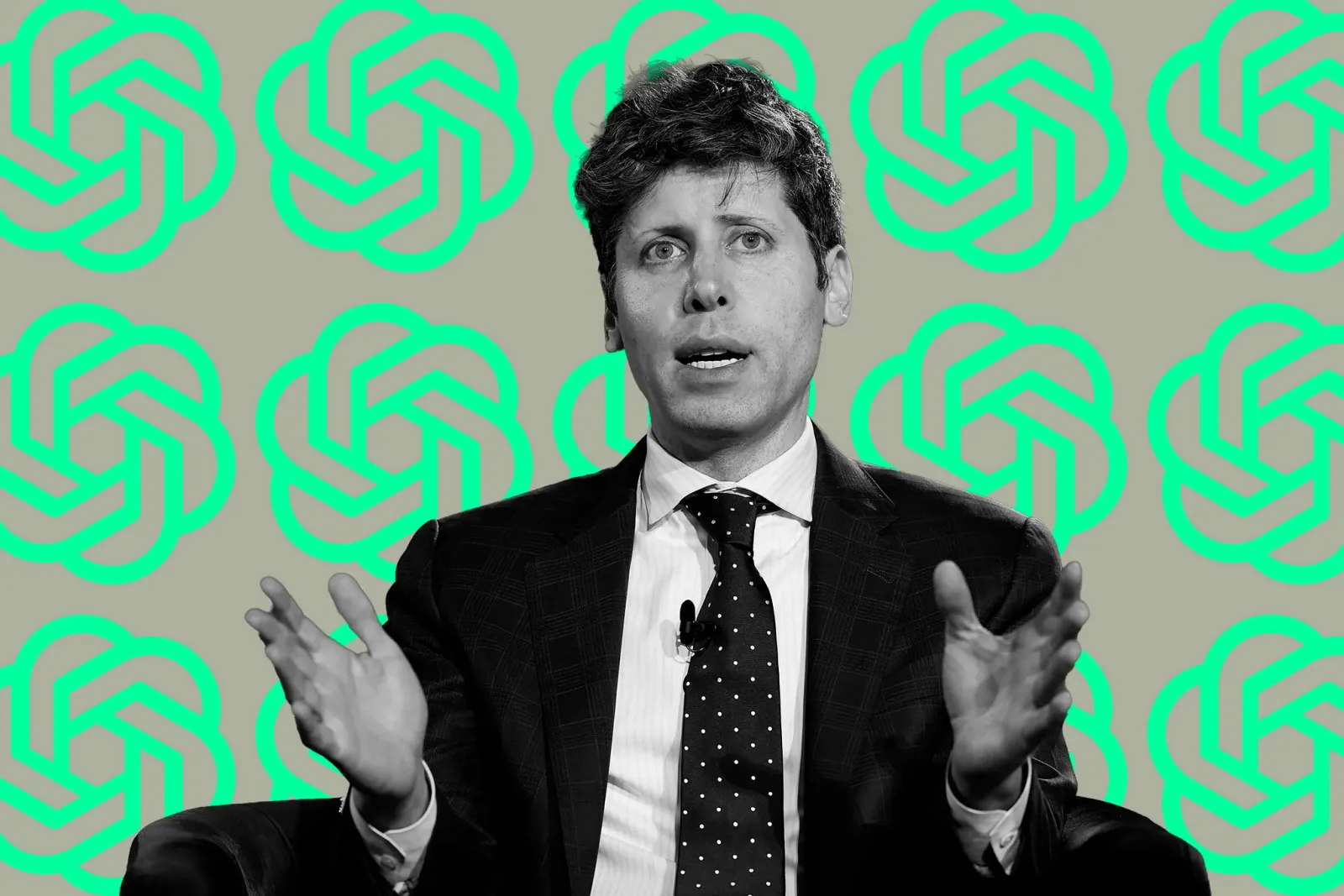
Luca Guadagnino’s film Artificial, about OpenAI CEO Sam Altman, has reportedly been dropped by Amazon MGM. The decision shifts a high-profile dramatization of Altman’s 2023 termination and reinstatement, forcing studios and industry players to rethink how they monetize AI-era narratives.
Amazon MGM has reportedly dropped Luca Guadagnino’s film Artificial, which dramatizes OpenAI CEO Sam Altman’s rise and shock reversal during the 2023 “five days” that included his termination and reinstatement. The movie was in the works for about a year, and it stars Andrew Garfield. The cast also includes Monica Barbaro as OpenAI CTO Mira Murati, Ike Barinholtz as Elon Musk, and Anora actress Yura Borisov as OpenAI chief scientist Ilya Sutskever.
For decision-makers, the key point is simple: Amazon MGM is telling the market it no longer wants to be the studio attached to this particular AI-era flashpoint, and that attachment matters because it signals confidence, risk tolerance, and timing. In a statement to Deadline, the studio said it believes the movie “will be better served if it were released by a different studio” and that it is working closely with the filmmaker.
Why would a studio walk away from a film with such obvious cultural gravity? Part of the answer sits in what the project actually represents. Artificial is not a slow-burn biotech drama or a generic celebrity biopic. It is specifically about a real, high-stakes corporate event: Altman’s termination and reinstatement as CEO over five days in 2023. That is catnip for audiences, but it also puts the production in the blast radius of something modern entertainment constantly runs into when it tackles live technology institutions: the subject does not sit still. OpenAI, its leadership, and the surrounding AI industry context have continued to evolve since that 2023 window, which means the movie’s relevance could strengthen, blur, or even be reframed depending on what happens next.
There is also the incentive mismatch problem. A studio can love the story and still decide the risk profile does not pencil out, especially if the project requires a particular release strategy, marketing alignment, or festival and awards positioning to land well. The Deadline statement the studio made is revealing, not for what it says about content, but for what it implies about process: the studio believes the film will be “better served” elsewhere. That is often code for one of two things: either another distributor has a clearer path to reach the audience the movie needs, or the original internal plan no longer fits the studio’s current slate priorities.
The cast list underscores why this would be costly to mis-time. Garfield brings mass-audience recognition, and the supporting roles tie the narrative to a wider set of names people already associate with OpenAI. Monica Barbaro as Mira Murati, Ike Barinholtz as Elon Musk, and Yura Borisov as Ilya Sutskever suggest the film is aiming to do more than summarize a corporate boardroom drama. It likely wants to map the human faces of the event and compress them into a coherent story that viewers can emotionally track. But when you aim for that kind of “everyone knows these names” attention, the business gamble becomes tougher. One stalled release timeline can turn hype into indifference, and in the AI world, attention shifts fast.
There is a second-order effect too, and it hits boards and corporate communications teams even if they are not directly involved in a film. When a major studio drops a high-profile AI narrative, it can change how companies in the tech ecosystem think about visibility risk. For OpenAI watchers, executives, and even adjacent platforms, the story is not only about Hollywood. It is about how institutions allow their public moment to be repackaged into entertainment, and what happens when that packaging changes hands. If Amazon MGM is repositioning the film for another studio, it is also a reminder that entertainment deals tied to living executives are inherently more complex than traditional historical biopics.
For executives across media, tech, and investment, the lesson is less “avoid AI stories” and more “treat them like strategic products.” Artificial is built around a time-bound corporate drama: Altman’s termination and reinstatement in 2023, spanning five days. That time-bound nature can make marketing feel urgent, but it can also make timing fragile. If the subject matter evolves, the story’s framing can become either more resonant or less precise. Studios that move quickly might capture cultural momentum, while studios that change course might be trying to protect distribution, messaging, and long-term profitability.
So what now? The studio is “working closely with the filmmaker,” which suggests the project is not dead, just rerouted. That reroute will matter for whoever picks it up next, because the decision is basically about who can best translate a real-world corporate shock into a release plan that performs. For peers contemplating similar bets, the takeaway is sharp: in the AI era, narratives are assets, but they are also fast-moving ones. A film about a CEO’s reversal may be timely on day one, and still expensive to get “right” later. Amazon MGM’s move is a reminder that even with A-list talent and an instantly recognizable subject, studios are still calibrating risk, brand fit, and release strategy in real time.
This story's Key Insights and Take-aways are locked.
Create a free account to unlock Executive Actions for one credit.
Register to UnlockAlways free for Executives Club members. Join the Club
More in Entertainment

Russell Brand's accuser 'bewildered and confused' as he denies 7 sex charges
The criminal case against the comedian is a live test of how media companies manage talent risk when serious allegations go public.

'It's a Magic Trick': Ballet Experts Say Rosalía's SNL Pose Is Impossible
Three ballet experts tell Rolling Stone Rosalía's gravity-defying SNL stillness shouldn't be possible - and why the debate is now part of the show.

Activision CMO: GTA 6 Will Boost Call of Duty, Not Bury It
Activision's top marketer says Rockstar's blockbuster will drive players back to consoles and into Modern Warfare 4, even as the company admits its recent strategy failed.