

Amazon Prime Air 767 overshoots Miami runway, strikes vehicles, catches fire
The Boeing 767, operated by 21 Air, was arriving from San Juan when it overshot the runway, triggering a ground stop and multiple injuries.
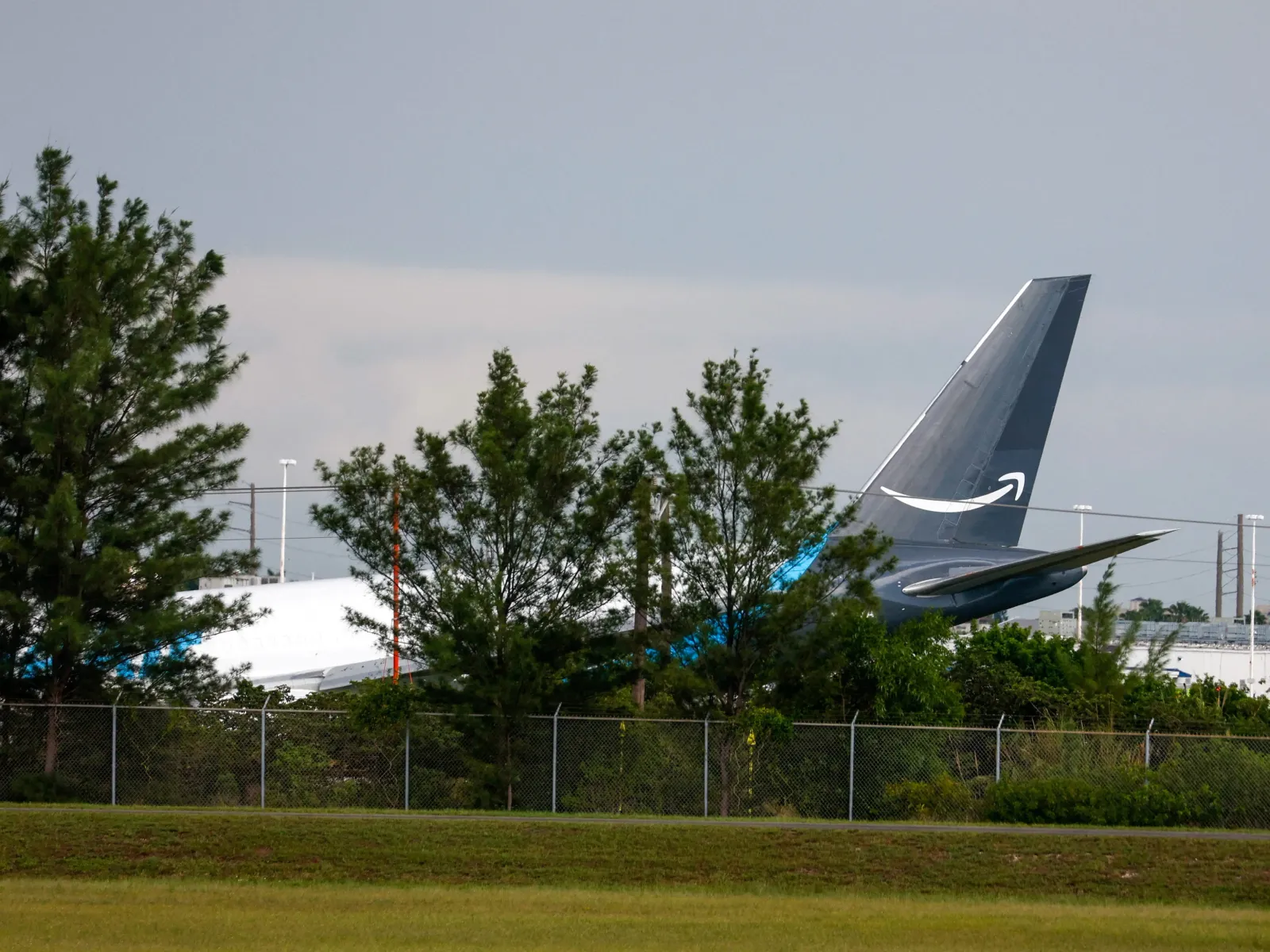
An Amazon Prime Air Boeing 767 cargo plane, operated by 21 Air, overshot the runway at Miami International Airport on Sunday, striking vehicles and catching fire. The incident triggered a full ground stop and multiple injuries, raising questions about cargo aviation safety and Amazon's reliance on third-party operators.
An Amazon Prime Air Boeing 767 cargo plane overshot the runway at Miami International Airport on Sunday, striking multiple vehicles and erupting into a blaze, according to officials. The aircraft, operated by 21 Air, had flown from San Juan, Puerto Rico, and was attempting to land when it careened off the tarmac, leaving a trail of fire and thick black smoke captured in videos from the scene. Miami-Dade Fire Rescue said firefighters were "working on extinguishing the fire and assessing patients," and radio transmissions recorded on Broadcastify indicated a truck was struck and a patient was trapped. The crash triggered an immediate full ground stop at the airport, as Transportation Secretary Sean Duffy confirmed on X, while first responders assessed the scene and the plane was left disabled at the northwest end of the airport.
The incident unfolded in a matter of minutes: FlightAware data shows the plane departed Puerto Rico at noon and reached Miami around 2 p.m. local time. The exact number of injuries has not been confirmed, but authorities said there were multiple. Amazon spokesperson Kelly Nantel said in an X post that "an Amazon Air plane operated by 21 Air experienced an incident while attempting to land at Miami International Airport today," adding that "this is a fast-moving situation and we're still gathering details." The company said it is working closely with local authorities to understand what happened. For executives watching the logistics and aviation sectors, this is not just a Miami airport disruption - it is a stress test of Amazon's air cargo strategy, which leans heavily on a patchwork of third-party carriers.
Amazon Prime Air is the e-commerce giant's in-house air network, but it does not own most of the planes. Instead, Amazon leases capacity from and contracts with carriers like 21 Air, Atlas Air, and others to move packages through its fulfillment network. This model lets Amazon scale quickly without the capital burden of owning a fleet, but it also outsources safety and operational risk to partners. When a contractor's plane crashes, the reputational and regulatory fallout lands squarely on Amazon, even if the airline holds the operating certificate. The Miami crash is the latest in a series of incidents involving cargo carriers, which have historically faced less stringent oversight than passenger airlines, though the FAA has been tightening scrutiny of the sector in recent years.
The ground stop at Miami International - one of the busiest airports in the US and a major hub for Latin American cargo - will ripple through supply chains. Cargo flights were halted for an undisclosed period, and the disabled aircraft will require recovery and investigation, potentially disrupting Amazon's delivery timelines in the Southeast and beyond. For Amazon, which has been aggressively expanding its logistics empire to reduce reliance on UPS and FedEx, any operational hiccup in its air network is a direct hit to its promise of fast, reliable delivery. The company has invested billions in Prime Air, including leasing 767s and 737s, and has been building out regional hubs to shorten delivery times. A high-profile crash could invite closer regulatory review of its contractor relationships and safety protocols.
For executives in logistics, aviation, and e-commerce, the takeaway is that third-party risk is not just a legal or financial issue - it is a brand and operational issue. Amazon's response will be scrutinized: how quickly it communicates, how it supports victims, and how it works with regulators to prevent recurrence. The FAA and National Transportation Safety Board will likely investigate the cause, which could range from pilot error to mechanical failure to runway conditions. Miami's runways are known for being short relative to other major airports, and the 767's overshoot suggests a possible approach or braking issue. The incident also raises questions about cargo pilots' training and fatigue, as cargo operations often run overnight and on tight schedules.
Beyond Amazon, this crash is a reminder that the rapid growth of e-commerce has put unprecedented pressure on air cargo infrastructure. The FAA has been modernizing runway safety systems, but incidents like this underscore the fragility of the system. For boards and CEOs, the lesson is to audit your own supply chain's safety culture, not just its cost efficiency. Amazon's reliance on 21 Air - a relatively small operator - highlights the concentration risk in the cargo sector, where a single incident can ground a key partner. As the investigation unfolds, expect Amazon to face questions about its vetting of contractors and whether it should own more of its fleet to control safety standards.
The immediate financial impact is unclear, but the crash will likely trigger insurance claims, potential lawsuits, and regulatory fines. More importantly, it could slow Amazon's air cargo expansion if regulators impose new conditions on its operations. For competitors like UPS and FedEx, which own and operate their own fleets, this incident may reinforce the value of vertical integration. For Amazon, the challenge is to reassure customers and regulators that its third-party model can be safe. The company's response in the coming days - from Nantel's initial statement to any operational changes - will set the tone. Executives should watch for updates on the NTSB investigation and any FAA directives that could affect cargo carriers industry-wide.
In the meantime, the human toll is the priority. Miami-Dade Fire Rescue's response was swift, and the plane's crew and anyone on the ground are the immediate concern. For the rest of us, this is a stark reminder that the packages we order travel on real planes, flown by real people, and that the logistics miracle we take for granted is built on a complex, sometimes fragile, network. Amazon's next moves will be a case study in crisis management for any company that relies on partners for mission-critical operations.
This story's Key Insights and Take-aways are locked.
Create a free account to unlock Executive Actions for one credit.
Register to UnlockAlways free for Executives Club members. Join the Club
More in Business

A flaw in PHP just forced governments to pull their own sites offline
European agencies from Belgium to Germany took websites dark to patch a critical weakness in the language behind almost 70% of the web, and the blast radius extends far beyond government portals.

BioWare shuts down, Mass Effect 5 dead after $55B EA buyout
The legendary RPG studio's closure lands months after a $55 billion investment group buyout of EA, raising tough questions for gaming's biggest acquirers.

Musk weighs Tesla-SpaceX mega-merger as boards form review panels
Special committees at both companies will examine a tie-up that could fuse electric vehicles and space launch, forcing a fresh look at governance and valuation.