
Amazon’s Blade Runner 2099 drops eight episodes November 25, with Ridley Scott onboard
Prime Video finally unveils the show, its debut date, and its Blade Runner heavyweights, including Silka Luisa and Ridley Scott.
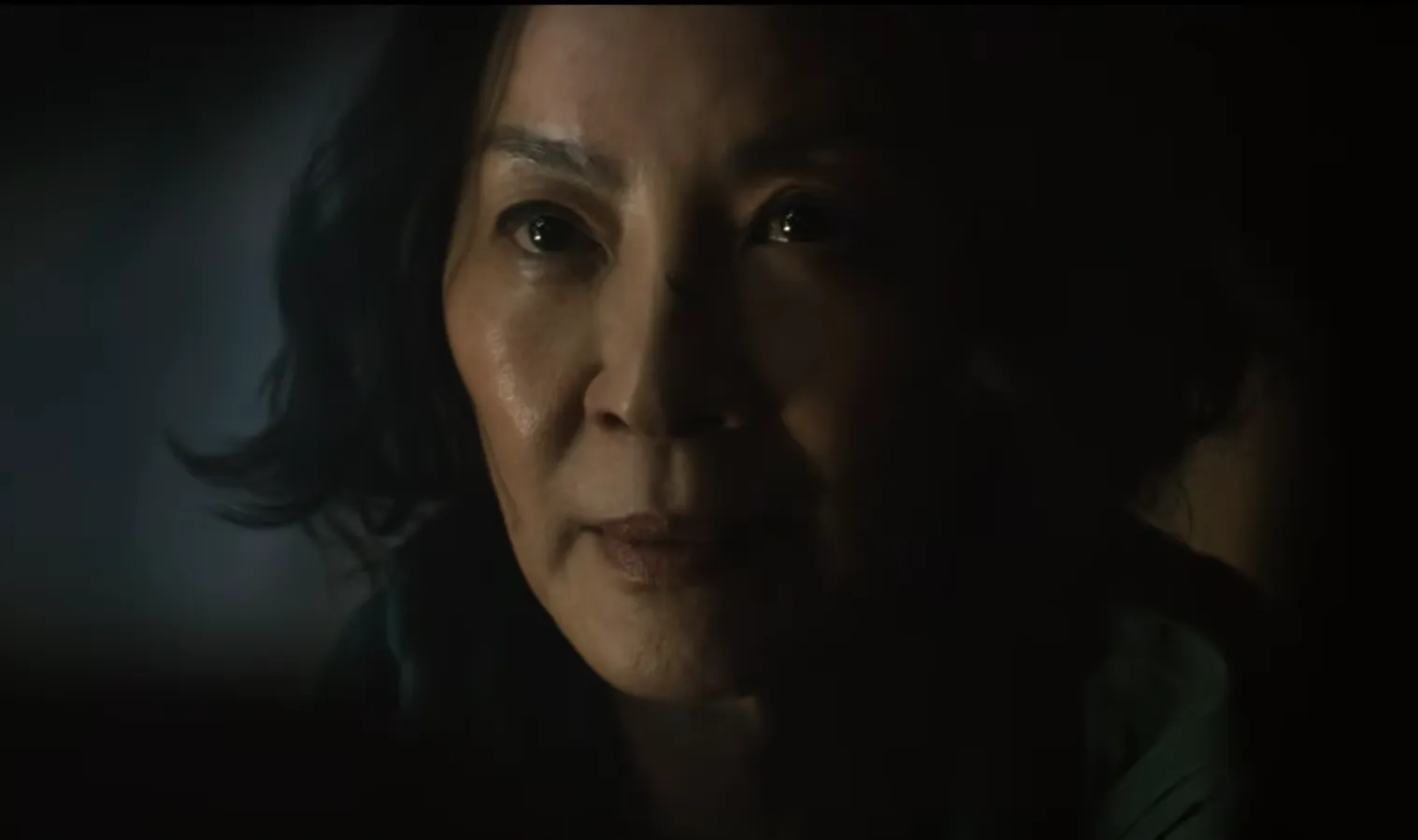
Amazon has properly unveiled Blade Runner 2099, its Blade Runner streaming series for Prime Video, premiering November 25 with all eight episodes dropping at once. The series is helmed by Silka Luisa, with Ridley Scott signed on as an executive producer, starring Michelle Yeoh and Hunter Schafer.
Amazon just put a date on your next dystopian binge. Blade Runner 2099 hits Prime Video on November 25, and Amazon is dropping all eight episodes at once, so there is no slow burn or weekly tease. You get the whole mood in one weekend: a bleak futuristic LA, dramatic narration, and, yes, the kind of stylish outerwear Blade Runner fans expect.
This is not a vanity cameo situation either. The series is helmed by Silka Luisa, previously showrunner on Apple TV's adaptation of Shining Girls, and Ridley Scott, the original Blade Runner director, is signed on as an executive producer. Then Amazon adds two more recognizable faces: 2099 stars Michelle Yeoh and Hunter Schafer. That combination matters because it signals where Amazon wants to place its bets in the prestige-content marketplace, where pedigree and audience trust are currencies.
From a decision-maker standpoint, the release model is the first signal. All eight episodes dropping at once is a choice that leans into binge behavior, but it also changes how a series performs in the first week. If the audience immediately commits, the platform can ride faster momentum and stronger early conversation. If it does not, you lose the chance to recalibrate over several weeks, because there is no episode-by-episode “we learned something” runway. Amazon is effectively asking viewers to decide the show’s value quickly, on the trailer, the names attached, and the Blade Runner brand recognition.
The second signal is brand gravity. Blade Runner is not just a franchise, it is a visual and tonal template. The trailer Amazon released, as described, is full of classic Blade Runner elements, including the bleak futuristic LA and dramatic narration. That is important because it reduces creative risk for a studio audience. When a show leans hard into an established mood and iconography, it can capture existing fan expectations rather than asking them to wait for the series to invent its own identity from scratch.
But brand gravity has a board-level downside too: expectations can be expensive. If viewers want Ridley Scott’s Blade Runner DNA and they do not get it, disappointment can spread quickly, especially with an eight-episode drop. That is where the executive producer arrangement is not just a marketing bullet. It is a way of embedding continuity into the production. In other words, Amazon is lining up creative oversight and credibility around the series, rather than treating the original franchise as a simple license.
Silka Luisa’s involvement adds another layer of incentive alignment. She is noted as previously showrunner on Apple TV's adaptation of Shining Girls, which matters because showrunner experience is often the difference between “style” and “system.” Big streaming shows are complex machines: they require narrative structure that holds up across multiple episodes, consistent tone, and a production pipeline that can deliver the look and pacing the audience expects. Hiring a showrunner with a recent high-profile track record is a practical way to reduce the probability of tonal drift.
And then there is casting. Michelle Yeoh and Hunter Schafer are both positioned in the source as the show’s stars, and casting is one of the few levers executives can pull that directly influences discovery. Strong performers can help marketing, but more importantly, they can broaden appeal beyond the existing Blade Runner audience. When you pair franchise trust with talent recognition, you increase the odds that viewers who would not normally sample a dystopian sci-fi entry will still give the premiere a shot.
For peers tracking the streaming arms race, the strategic takeaway is simple: Amazon is using a three-part formula. It is combining an established IP, a high-visibility release timing decision (November 25 with all eight episodes at once), and heavy creative signaling through Silka Luisa and Ridley Scott. This is the kind of approach executives typically reach for when they want a title to compete for attention in a crowded seasonal window, where “good enough” content gets buried and only clear propositions rise.
If you run a streaming platform, finance content, or sit on a board where streaming is on the agenda, you should watch not just the show itself, but how Amazon frames it. A synchronized drop strategy, franchise-first tone, and executive producer alignment point to a belief that early audience conviction is the key variable. And if the audience arrives quickly for 2099, Amazon gets what it wants most: fast traction that can turn into durable brand value. If not, the same factors make it harder to recover, because the premiere is built to succeed immediately, not gradually.
This story's Key Insights and Take-aways are locked.
Create a free account to unlock Executive Actions for one credit.
Register to UnlockAlways free for Executives Club members. Join the Club
More in Entertainment

'It's a Magic Trick': Ballet Experts Say Rosalía's SNL Pose Is Impossible
Three ballet experts tell Rolling Stone Rosalía's gravity-defying SNL stillness shouldn't be possible - and why the debate is now part of the show.

Activision CMO: GTA 6 Will Boost Call of Duty, Not Bury It
Activision's top marketer says Rockstar's blockbuster will drive players back to consoles and into Modern Warfare 4, even as the company admits its recent strategy failed.
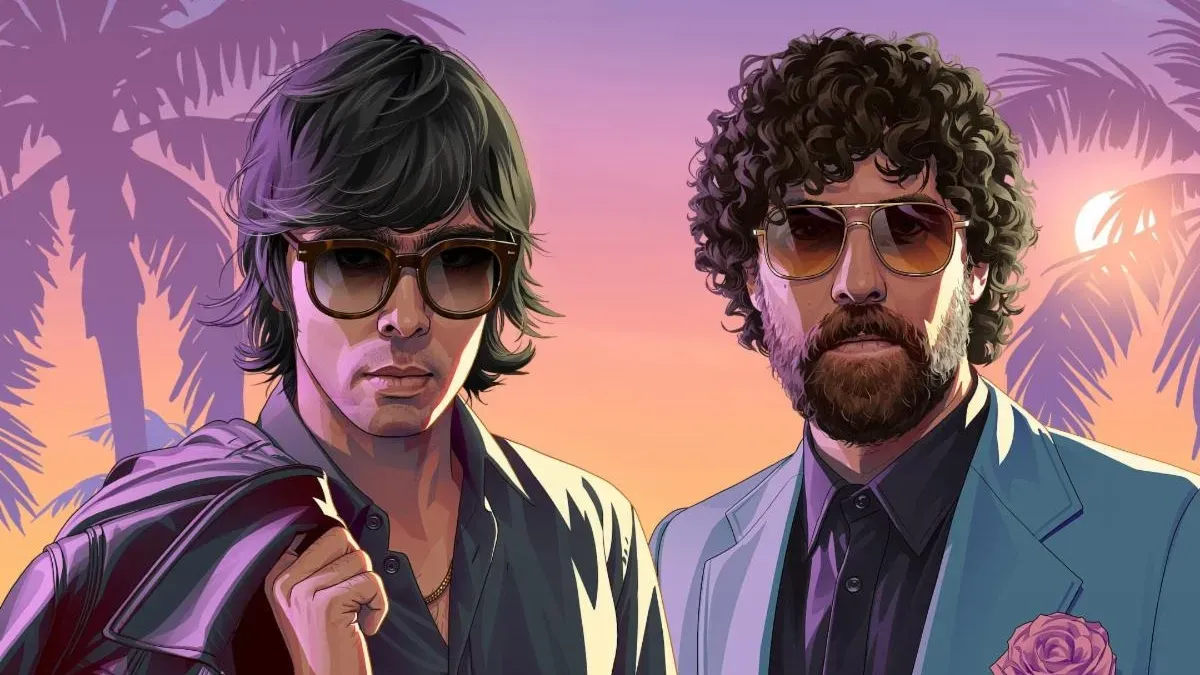
Justice to Score GTA 6, Share New Song with Tame Impala, SZA, King Gizzard
Rockstar taps the French duo for the GTA VI score, and the first taste is a genre-melting collab with Tame Impala, SZA, and King Gizzard & The Lizard Wizard.