

Amazon to FTC: You 'Misunderstand' Our Ad Market
The e-commerce giant responds to a sweeping antitrust suit, arguing the agency's case rests on a flawed view of its advertising business.
Amazon has formally responded to the Federal Trade Commission's antitrust lawsuit, arguing that the agency fundamentally misunderstands how its advertising marketplace operates. The company's defense could shape the outcome of one of the most significant tech antitrust cases in recent years.
Amazon has fired back at the Federal Trade Commission's antitrust lawsuit, insisting that the agency's case is built on a fundamental misreading of its advertising business. In a court filing, the company argued that the FTC's allegations-that Amazon rigged ad pricing to harm advertisers and inflate its own profits-do not reflect the reality of a highly competitive marketplace. The response sets the stage for a legal battle that could redefine how digital advertising is regulated in the United States.
The lawsuit, filed by the FTC and a coalition of state attorneys general, accuses Amazon of using its dominant position in online retail to force merchants into its advertising program, then manipulating ad auctions to favor its own products and drive up prices for consumers. The agency claims Amazon's practices have stifled competition and left advertisers with fewer choices and higher costs. Amazon, however, contends that the FTC's theory of harm is disconnected from how its ad platform actually works-pointing to the thousands of advertisers who voluntarily use the service and the constant pressure it faces from rivals like Google and Meta.
At the heart of the dispute is the question of market definition. The FTC argues that Amazon's ad business is a distinct market where the company holds monopoly power, while Amazon counters that advertising is a broad, fiercely contested space where no single player dominates. The company's legal team has signaled that it will challenge the FTC's assumptions about market boundaries, a move that could undermine the entire case. Legal experts say this is a common defense in antitrust litigation, but it carries particular weight here because the FTC's complaint relies heavily on internal Amazon documents that allegedly show executives discussing the need to raise ad prices.
Amazon's response also takes aim at the FTC's characterization of its relationship with third-party sellers. The company argues that its advertising tools are optional and that merchants choose to participate because they generate measurable returns. It points to the growth of its ad business-now a multi-billion-dollar revenue stream-as evidence that advertisers see value, not coercion. The company further claims that the FTC's proposed remedies, which could include forcing Amazon to restructure its ad operations, would harm consumers by reducing the relevance of search results and increasing the cost of goods.
The case is part of a broader wave of antitrust enforcement against Big Tech. The FTC, under Chair Lina Khan, has taken an aggressive stance toward Amazon, also pursuing separate actions over its Prime membership practices and its treatment of third-party sellers. Amazon's defense in this ad-pricing case will likely set a precedent for how other tech giants respond to similar allegations. If Amazon succeeds in convincing the court that the FTC misunderstands the ad market, it could embolden other companies to push back against regulatory overreach. Conversely, a loss could open the door to more sweeping interventions across the industry.
For advertisers, the outcome carries immediate stakes. If the FTC prevails, Amazon may be forced to change its ad auction mechanics, potentially lowering costs but also altering the visibility of products. That could shift how brands allocate their marketing budgets, with some potentially moving away from Amazon if the platform becomes less effective. For consumers, the case touches on the prices they pay-the FTC alleges that Amazon's practices inflate costs-but the company insists that its ad system actually helps shoppers find relevant products more efficiently.
The legal process is expected to be lengthy, with both sides gearing up for a protracted discovery phase. Amazon has already signaled it will fight the lawsuit vigorously, and the company's financial resources are nearly limitless. The FTC, meanwhile, has shown no sign of backing down, viewing this as a cornerstone of its mission to rein in tech monopolies. As the case unfolds, the central question will be whether the court accepts Amazon's argument that the FTC simply misunderstands the ad market-or whether it sees the company's practices as the kind of anticompetitive behavior the antitrust laws were designed to prevent.
Beyond the courtroom, the case is a test of how regulators approach digital markets in an era of rapid technological change. The FTC's complaint relies on a traditional antitrust framework, but Amazon's defense highlights the complexities of modern platforms where data, algorithms, and network effects create dynamics that older laws may not fully capture. Whatever the outcome, the case will likely influence how future antitrust cases are argued, not just against Amazon but against other tech giants facing similar scrutiny. For now, Amazon's response sets the tone: it will not concede an inch, and it will force the FTC to prove its case with evidence, not assumptions.
This story's Key Insights and Take-aways are locked.
Create a free account to unlock Executive Actions for one credit.
Register to UnlockAlways free for Executives Club members. Join the Club
More in Business
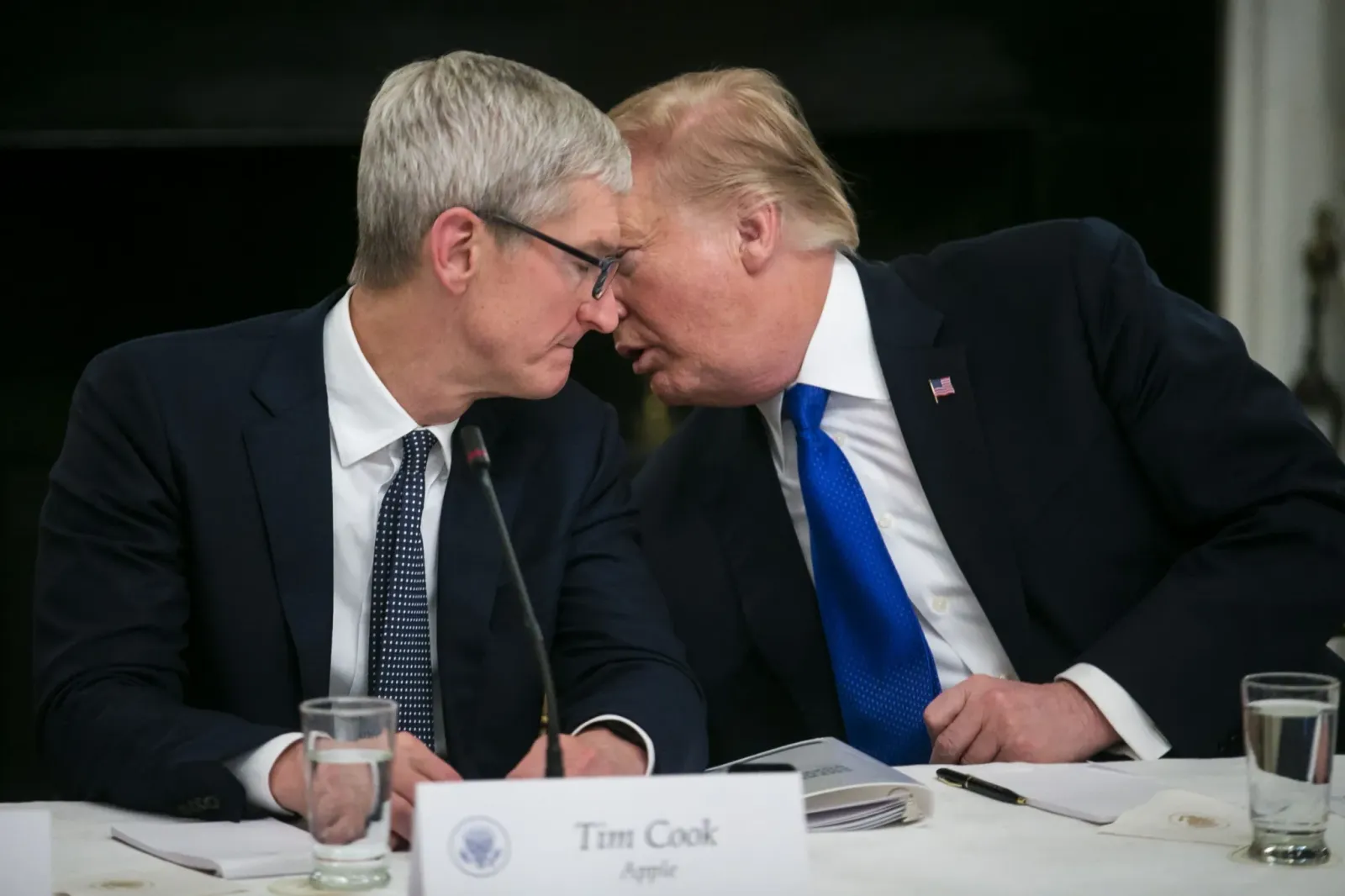
Tim Cook steps down as Apple CEO, stays on as chair with $45M equity
The 'Trump whisperer' keeps his White House and Beijing access as Apple navigates tariffs and a $4.6 trillion market cap.

Snowflake shares surge as AI data demand crushes estimates, lifting full-year forecast
Stocks jumped on stronger-than-expected guidance, signaling enterprise AI workloads are accelerating faster than Wall Street priced in.
Tim Cook's 15-year Apple CEO run ends: 3 lessons for any successor
After 15 years, Tim Cook hands Apple to John Ternus - here's how he turned a $350B company into a $4.6T juggernaut.