

AMD reportedly hikes GDDR6 prices for GPU partners, gamers to pay more
AMD's October 1 GDDR6 price hike for AIB partners will likely push graphics card costs higher for consumers, adding to the memory supply crisis.
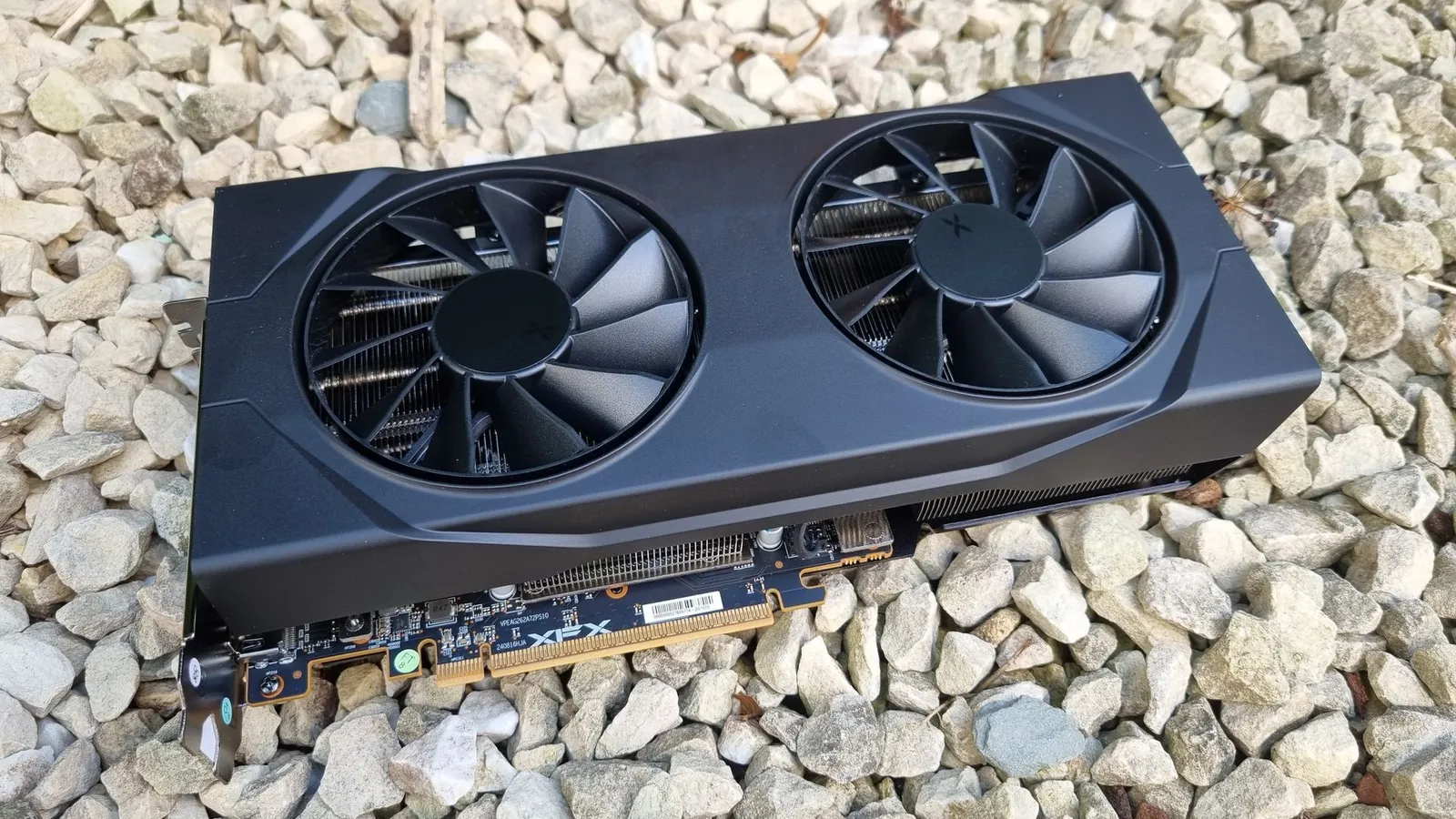
AMD has reportedly raised GDDR6 memory prices for its add-in board partners effective October 1, following Nvidia's similar move in July. The increase will likely be passed on to consumers, making PC graphics cards more expensive amid an ongoing memory supply crisis.
AMD has reportedly raised the price of GDDR6 memory it sells to its add-in board (AIB) partners, a move that took effect October 1, according to sources on Chinese forum Boardchannels, as reported by Benchlife. The hike is the latest ripple from the memory supply crisis that has already pushed RAM and SSD prices up, and it lands directly on the cost structure of every graphics card AMD ships. For AIB partners like Asus, Gigabyte, and MSI, this is not a line item they can absorb quietly - it is a direct hit to their bill of materials, and the natural response is to pass it along to the consumer.
The consequence is straightforward: AIB partners will likely raise their prices, meaning Team Red's graphics cards are about to get more expensive for PC gamers. This is not an isolated event. Nvidia made a similar move in July, raising prices on GDDR6 and GDDR7 memory, and reports followed that Nvidia card prices could rise by as much as 30%. In August, PC Gamer's Dave advised gamers to avoid any Nvidia card with more than 8 GB VRAM if they value their bank balance. That advice now extends to AMD cards, as the cost of memory becomes a larger share of the total price. For anyone hunting for a reasonably priced RTX 5090, the outlook is grim - those cards have been particularly hard to find at US retailers online, and rumors have swirled that Nvidia has halted RTX 5090 production in favor of AI data center GPUs.
The memory supply crisis is the root cause. GDDR6 and GDDR7 are used in virtually every modern graphics card, and demand from AI data centers has consumed a massive share of memory production. That has left GPU makers competing with hyperscalers for the same wafers and modules, driving up costs across the board. The result is a market where memory prices are rising faster than GPU performance gains, squeezing both manufacturers and buyers. AMD's price hike is a direct response to these pressures, not a unilateral grab for margin - it is a survival move in a supply chain that has turned against consumer hardware.
Supply is also tightening. RTX 5090s have been particularly hard to find at US retailers online, and rumors have swirled that Nvidia has halted production of the RTX 5090 in favor of AI data center GPUs. If true, that would redirect even more of the limited memory supply toward AI, further constraining the consumer GPU market. AMD's move on GDDR6 pricing is a signal that the memory crisis is far from over, and that the AI boom is now visibly cannibalizing the components that power gaming PCs. For AIB partners, this is a double squeeze: they pay more for memory and more for the board itself, and they have limited ability to absorb those costs without cutting into already thin margins.
Beyond memory, other components are getting pricier. The PCB, for example, is also going up in cost due to the war in Iran, which has disrupted supply chains for materials and shipping. That means even if memory prices stabilize, the bill of materials for a graphics card is still rising. For executives in the PC hardware space, the takeaway is that the era of cheap graphics cards is not returning soon. The memory supply crisis is structural, driven by AI demand that shows no sign of abating. Companies that rely on consumer GPU sales need to plan for sustained cost inflation, whether through price increases, product mix shifts, or supply chain diversification. Waiting for prices to drop is not a strategy.
The broader implication is that the consumer PC market is being squeezed by the AI boom. Every GDDR6 module that goes into a data center GPU is one that cannot go into a gaming card, and that competition is now visible in the price tags. For gamers, the advice from PC Gamer's Dave in August still holds: avoid any Nvidia card with more than 8 GB VRAM if you value your bank balance. The same logic applies to AMD cards, as the cost of memory becomes a larger share of the total price. The bottom line is that AMD's October 1 price hike is a clear signal that the memory crisis is far from over, and for AIB partners, the choice is to eat the cost or pass it on - and history suggests they will pass it on.
For executives in adjacent industries, the lesson is that the AI boom has real-world consequences for hardware costs, and those consequences are now landing on the consumer. The PC gaming market, once a reliable volume driver for chipmakers, is now competing with the insatiable appetite of data centers. This is not a temporary blip; it is a structural shift in how memory is allocated and priced. Companies that build their strategies on stable component costs will need to rethink their assumptions. The only certainty is that the pressure on GPU prices will continue as long as AI demand outpaces memory supply, and that means the pain for PC gamers is just beginning.
This story's Key Insights and Take-aways are locked.
Create a free account to unlock Executive Actions for one credit.
Register to UnlockAlways free for Executives Club members. Join the Club
More in Technology

Cop fired after sharing Flock login with ICE husband: 983 searches
A Savannah officer's shared credential let an ICE agent run hundreds of plate searches on Hispanic drivers, exposing a surveillance backdoor.

Elizabeth Holmes doc 'You Can See Everything' posts second-biggest doc debut ever
The true-crime draw shows fraud narratives still sell - a signal for media execs and a caution for founders.

She blocked an Uber delivery robot to save jobs. Police arrested her.
Carolyn Marvin's disorderly conduct arrest turns a sidewalk standoff into a test case for how cities police the automation-versus-workforce debate.