

Andrew Garfield on Sam Altman: 'Calculating, Manipulative, Nihilistic'
The actor spent months studying OpenAI's CEO for a role and warns his charisma masks a dangerous concentration of power and data.
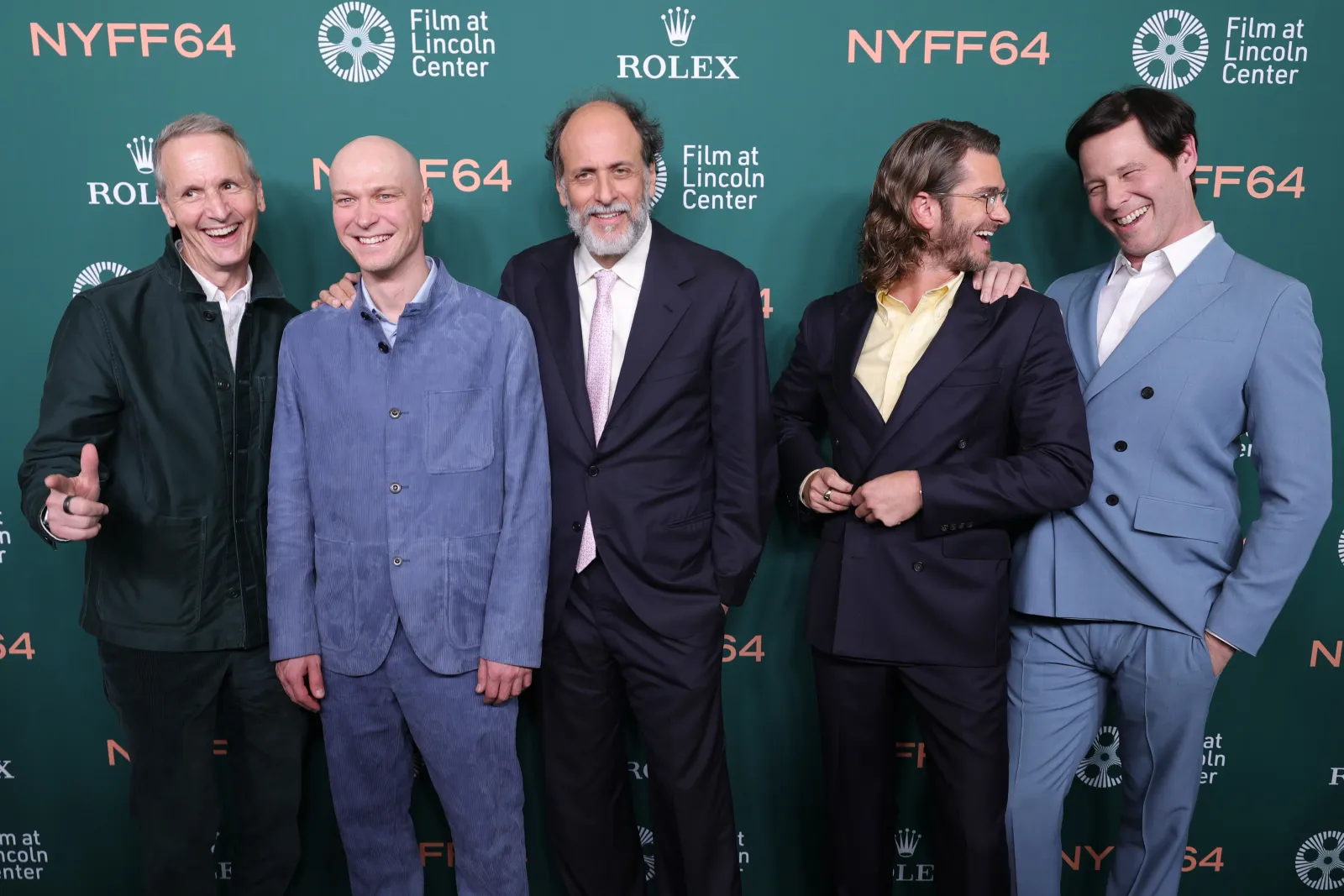
Andrew Garfield, preparing to play OpenAI CEO Sam Altman, called him calculating, manipulative, and nihilistic after months of study. The critique highlights growing unease about AI leaders' control over autonomy, power, and data.
Andrew Garfield has spent months inside Sam Altman's world, and he came out disturbed. The actor told the New York Film Festival that his preparation for a role as the OpenAI co-founder and CEO involved "day in and day out" study, "listening and watching footage of him," and the conclusion he reached was blunt: Altman is calculating, manipulative, and nihilistic. Garfield described the responsibility of playing a living figure as "heavy," and his characterization lands as a rare, high-profile critique from outside the tech industry.
The actor's specific charge is that Altman is a charismatic leader who is "sucking up our autonomy, power and data." That phrase, which Garfield used at the festival, goes beyond a personal attack. It names the exact currencies at stake in the AI boom: individual agency, institutional control, and the vast pools of user information that train and power large language models. For a generation of users who have adopted AI tools without reading the fine print, Garfield's framing is a warning dressed as a film role.
Altman, for his part, has built OpenAI into the defining company of the current AI wave. He is the public face of ChatGPT, the product that brought generative AI into mainstream use, and he has become a fixture in global policy debates, meeting with heads of state and testifying before lawmakers. His style is often described as soft-spoken and persuasive, a stark contrast to the bombast of some tech CEOs. Garfield's months of study led him to see that calm as a mask for something more calculating.
The critique arrives at a delicate moment for OpenAI. The company is navigating a complex relationship with Microsoft, its largest backer, and faces competition from a wave of well-funded rivals. Regulators in Europe and the United States are scrutinizing how AI companies collect data, handle bias, and concentrate market power. Garfield's language - "autonomy, power and data" - echoes the vocabulary of those regulatory debates, giving his comments a policy relevance that celebrity endorsements rarely carry.
For executives, the portrayal is a reminder that leadership style is an asset that can become a liability. Altman's charisma helped OpenAI raise billions and attract top researchers, but Garfield's interpretation suggests that same charisma, viewed from the outside, can look like manipulation. Boards evaluating AI strategies should consider how their own leaders are perceived, not just by investors, but by the public, the press, and the culture at large. Perception is a risk factor that does not show up on a balance sheet, yet it can move markets, shape hiring, and invite regulatory attention.
There is also a second-order effect for the AI industry. When a respected actor spends months studying a CEO and emerges with a dark verdict, it feeds a broader narrative that AI leaders are not benevolent visionaries but power consolidators. That narrative can influence everything from talent recruitment to regulatory action. It may also shape how users feel about handing over their data, a trust issue that is already fragile. The cultural conversation around AI is no longer confined to technical papers or earnings calls; it is being written in film festivals and living rooms.
Garfield's performance is not yet on screen, and his view is one interpretation, not a verdict. But the conversation it has started is useful. It forces a question that is easy to avoid in the excitement of the AI boom: what kind of people are building the tools that will shape the next decade? For decision-makers, that question is not academic. It is a risk factor to be managed, a governance issue to be addressed, and a reminder that in the age of AI, perception and reality are increasingly hard to separate.
This story's Key Insights and Take-aways are locked.
Create a free account to unlock Executive Actions for one credit.
Register to UnlockAlways free for Executives Club members. Join the Club
More in Entertainment
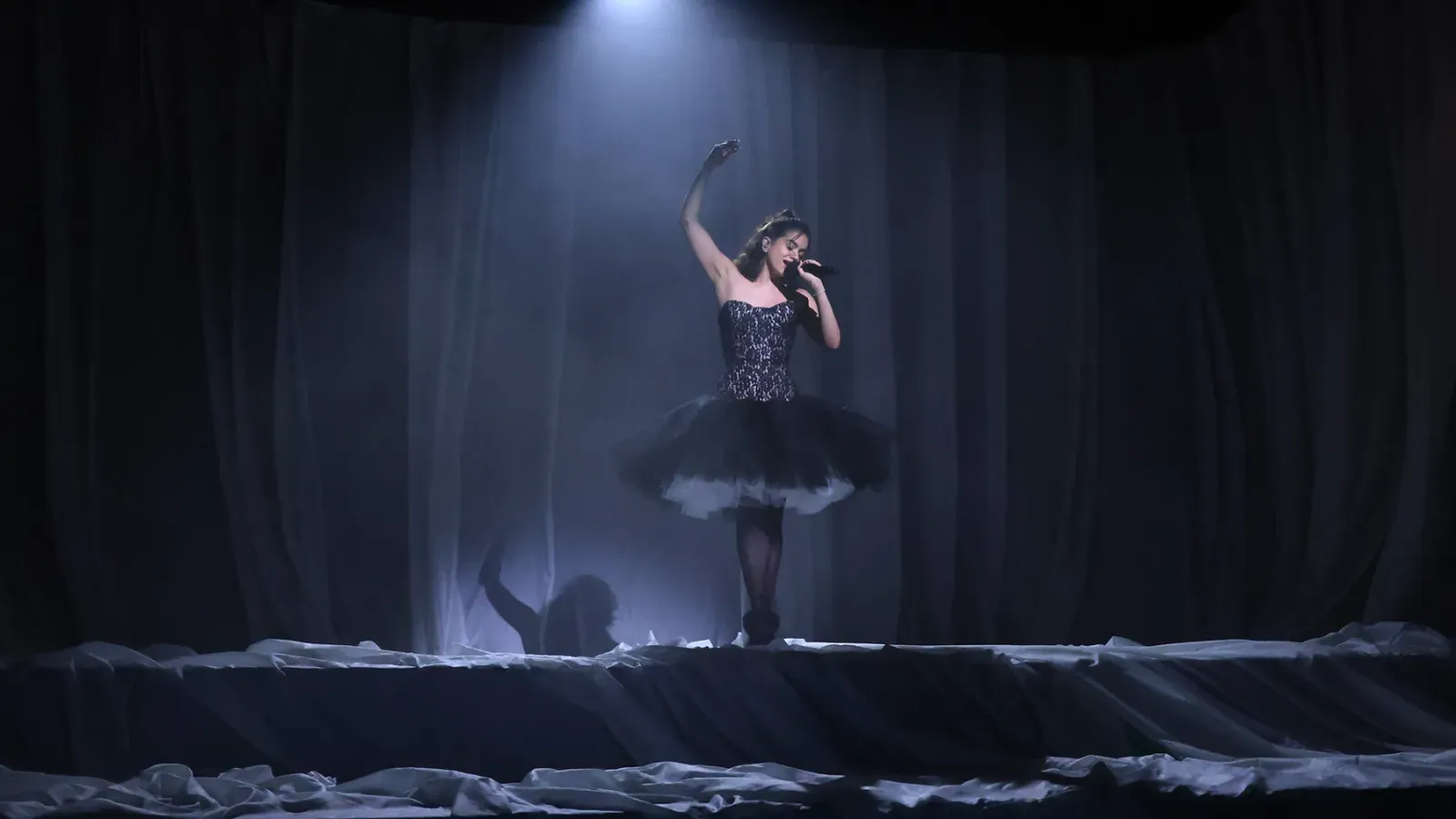
'It's a Magic Trick': Ballet Experts Say Rosalía's SNL Pose Is Impossible
Three ballet experts tell Rolling Stone Rosalía's gravity-defying SNL stillness shouldn't be possible - and why the debate is now part of the show.
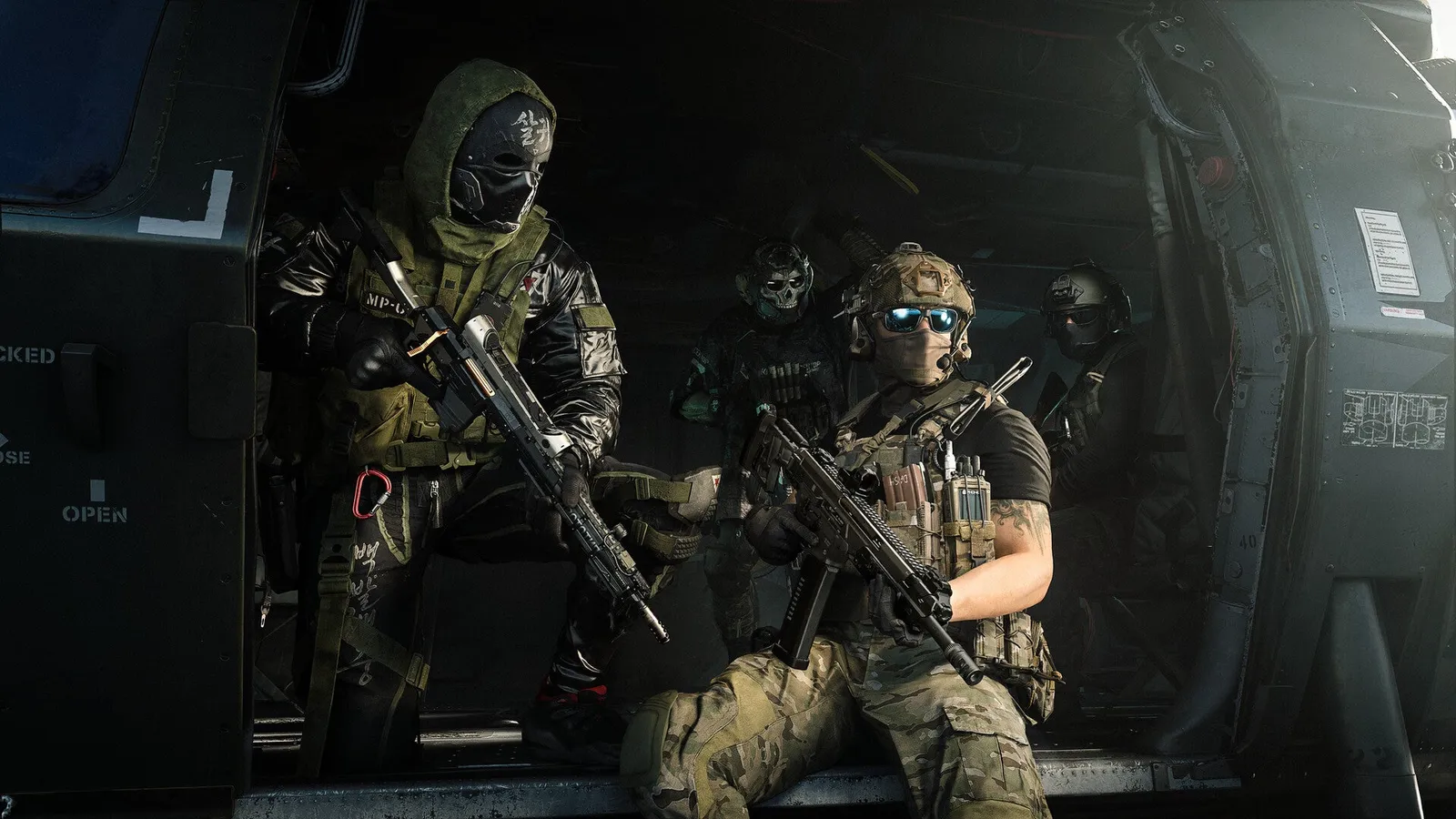
Activision CMO: GTA 6 Will Boost Call of Duty, Not Bury It
Activision's top marketer says Rockstar's blockbuster will drive players back to consoles and into Modern Warfare 4, even as the company admits its recent strategy failed.
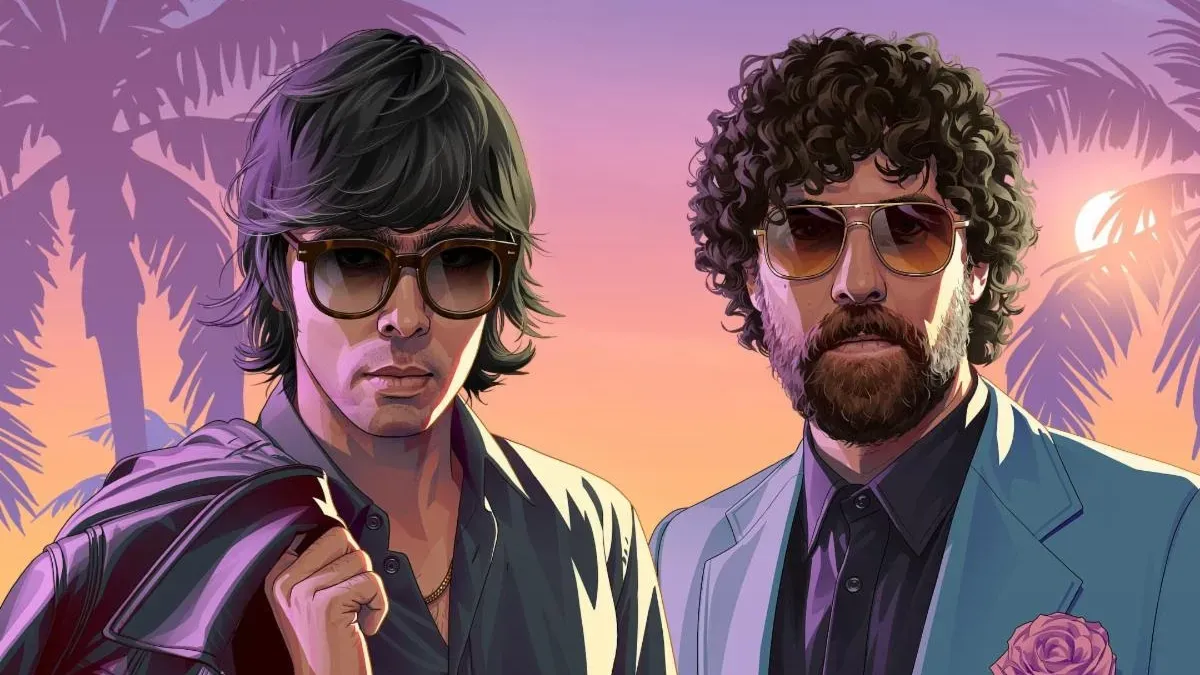
Justice to Score GTA 6, Share New Song with Tame Impala, SZA, King Gizzard
Rockstar taps the French duo for the GTA VI score, and the first taste is a genre-melting collab with Tame Impala, SZA, and King Gizzard & The Lizard Wizard.