

Andy Muschietti says “It: Welcome to Derry” Season 2 won’t shy from 1930s themes
Season 2 is already in the writers' room, and co-creator Andy Muschietti says the “horrible” 1930s issues are central.
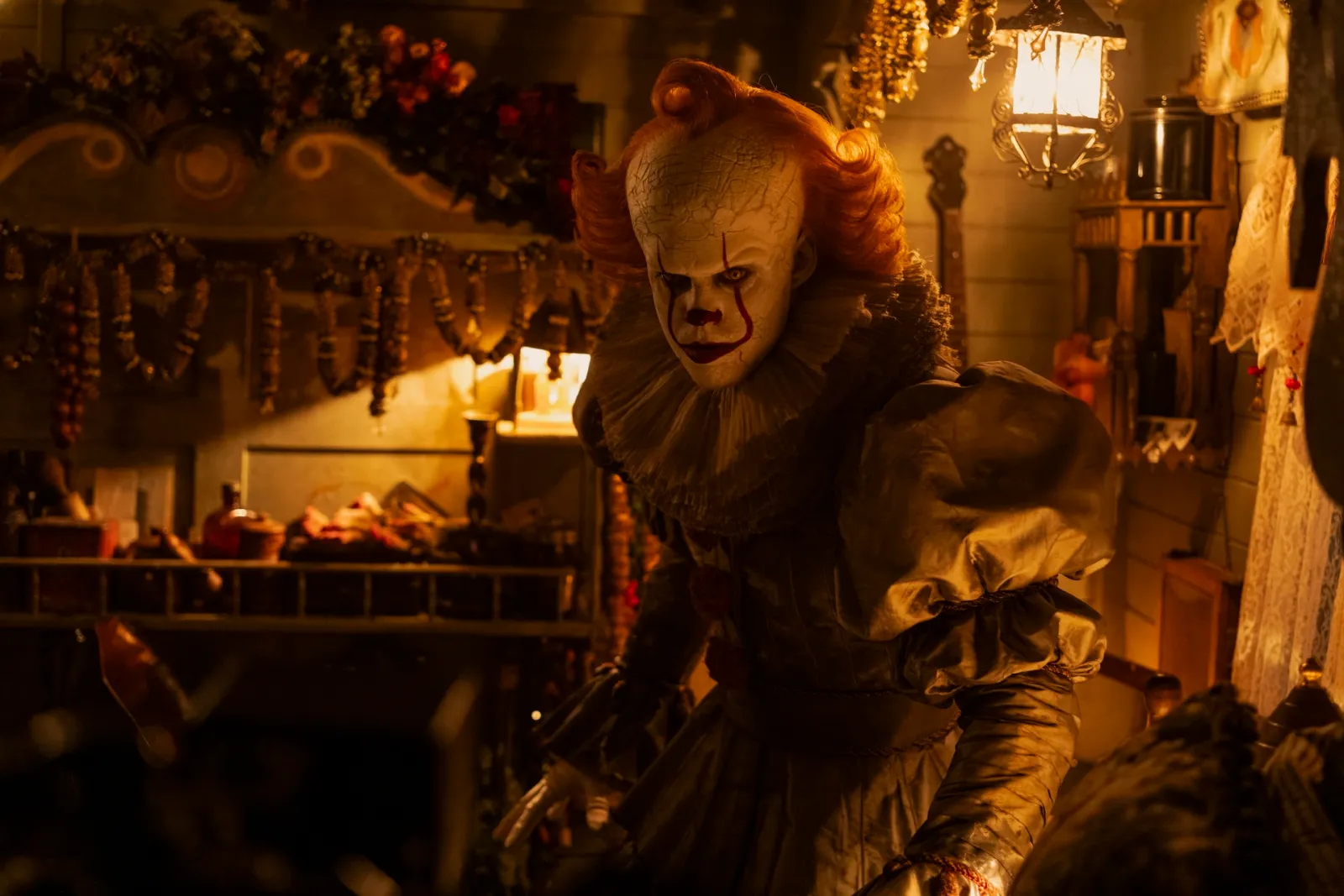
Andy Muschietti, co-creator of “It: Welcome to Derry,” tells Variety that Season 2 is in the writers' room. He also says the new season will not shy away from the “horrible” cultural themes of the 1930s because it is the “heart of our story.”
Andy Muschietti, co-creator of “It: Welcome to Derry,” says Season 2 is in the writers' room right now, and he is not planning to soften the period’s cultural material. In comments to Variety, Muschietti confirms the show is already in active development and adds a clear creative line: the season “will ‘not’ shy away” from the “horrible” cultural themes of the 1930s, calling those themes “the ‘heart of our story.’”
That matters because “horror” has always worked best when it mirrors the real world, not when it avoids the hard parts. The “It” universe has long leaned into the idea that the scariest monsters do not stay behind makeup and props. They connect to how communities act, what they tolerate, and what they normalize. Muschietti’s framing to Variety is essentially a promise that Season 2 will treat that connection as story fuel, not a problem to edit around.
From a decision-maker perspective, there is a tension hiding in plain sight. Networks and streamers want scale, but they also want control over optics. Period work is especially tricky: the more authentic the setting, the more likely you are to surface attitudes and cultural themes that contemporary audiences may find uncomfortable or harmful. Muschietti’s statement signals that the production team is choosing narrative fidelity over comfort. He is not saying the show will make excuses for the 1930s. He is saying the themes are central to the story, and they are staying in.
There is also an industry rhythm implied by “we're very excited, we're in the writers' room right now.” Season 2 development is already underway, which changes how stakeholders should think about timelines and risk. In the early writers' room phase, the main work is establishing story structure, character arcs, and tone. If the “horrible” cultural themes of the 1930s are the “heart of our story,” that means these elements will likely influence more than one episode or one plot point. It suggests they could shape the season’s overarching conflict and the way dread builds, not just the backdrop dressing.
Second-order implications follow for anything around the release ecosystem, even if the source is focused on creative status. Consider marketing, international distribution, and platform brand safety reviews. When a series explicitly commits to confronting “horrible” themes from a specific historical period, it can trigger additional internal review checkpoints before launch, especially for audience messaging and content classification. Even without any new regulatory claims in the source, the operational reality is that platforms and distributors often prepare for heightened scrutiny when content engages real-world cultural harm.
The “It” franchise also lives in a broader cultural debate about adaptation and fidelity. Muschietti’s comments to Variety can be read as part of that ongoing negotiation: how far do you preserve the original thematic weight, and how do you present it responsibly for modern viewers. Calling the themes “the ‘heart of our story’” is a direct creative justification. It also helps explain why the writers' room exists at all: the team must translate those themes into something that drives narrative rather than simply reproduces unpleasant history.
For boards and exec teams overseeing similar genre programming, this kind of commitment is a strategic signal. It implies the creators believe the show can handle complex cultural material without losing audience pull, and that the production is willing to bet on authenticity to keep the story potent. That bet comes with trade-offs. More authenticity can mean more disagreement, more media conversation, and more reputational management work. But it can also mean the series lands with a sharper emotional impact, because the horror feels anchored, not decorative.
Bottom line: Muschietti tells Variety that Season 2 is underway in the writers' room, and he draws a bright line around creative intent. The season will not shy away from the “horrible” cultural themes of the 1930s, because they are the “heart of our story.” For decision-makers, that is not just an artistic note. It is an early indicator of how the season will posture itself in a high-scrutiny cultural moment, and whether the production’s strategy is to confront discomfort head-on or smooth it over.
This story's Key Insights and Take-aways are locked.
Create a free account to unlock Executive Actions for one credit.
Register to UnlockAlways free for Executives Club members. Join the Club
More in Entertainment

'It's a Magic Trick': Ballet Experts Say Rosalía's SNL Pose Is Impossible
Three ballet experts tell Rolling Stone Rosalía's gravity-defying SNL stillness shouldn't be possible - and why the debate is now part of the show.

Activision CMO: GTA 6 Will Boost Call of Duty, Not Bury It
Activision's top marketer says Rockstar's blockbuster will drive players back to consoles and into Modern Warfare 4, even as the company admits its recent strategy failed.
Justice to Score GTA 6, Share New Song with Tame Impala, SZA, King Gizzard
Rockstar taps the French duo for the GTA VI score, and the first taste is a genre-melting collab with Tame Impala, SZA, and King Gizzard & The Lizard Wizard.