

Andy Serkis confirms de-aging for The Hunt for Gollum, with Ian McKellen likely targeted
The director says de-aging will be used, but he won't name names. Still, the clues point at McKellen.
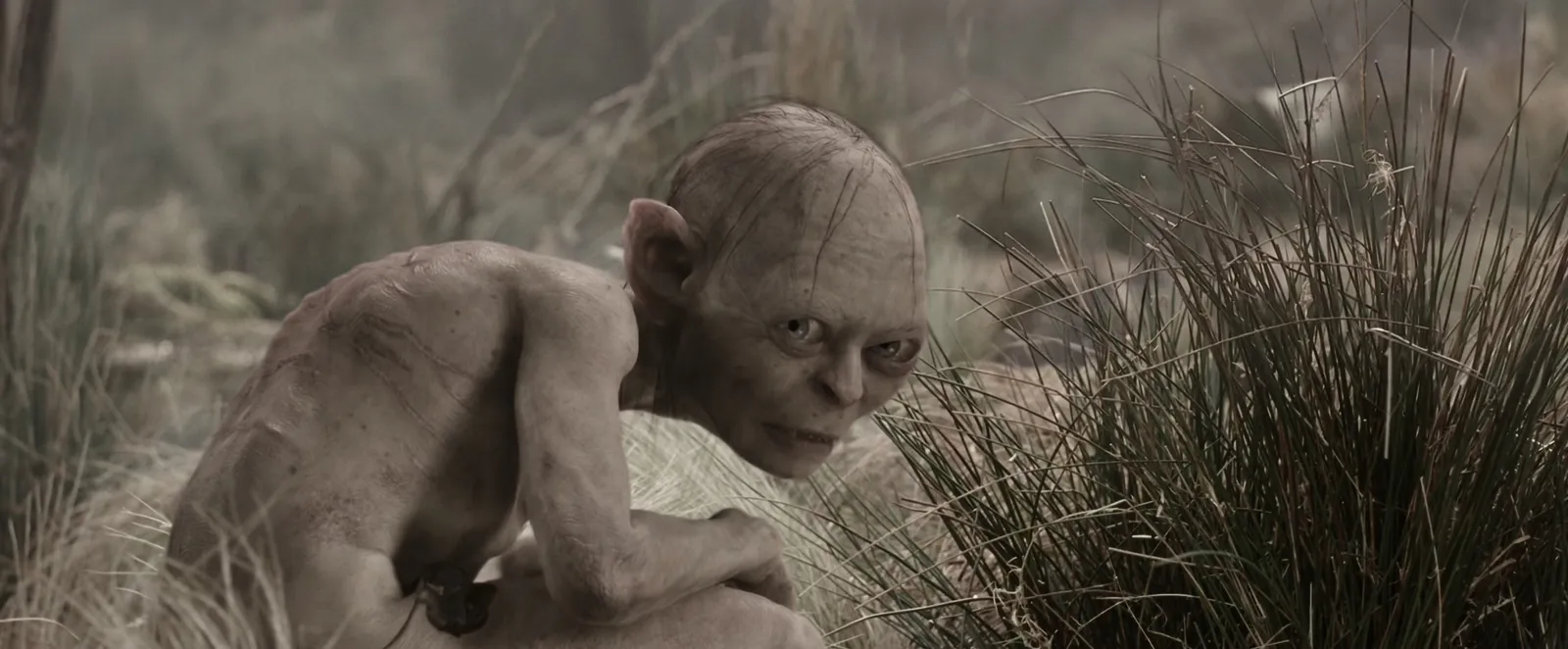
Andy Serkis, directing The Lord of the Rings: The Hunt for Gollum, confirmed that de-aging will be used in the next Middle-earth movie. For decision-makers across film and tech, it signals how fast digital effects are becoming core to IP production and casting decisions.
Andy Serkis has confirmed that de-aging is coming to The Lord of the Rings: The Hunt for Gollum. He also says he will not confirm who, exactly, the technology is being used on, even though the prequel setup practically points the finger at the oldest “safe bets” in Middle-earth casting. In other words: this is less “maybe we’ll see it” and more “yes, we’ll see it, you just do not get the guest list.”
So where do the signs point? While Serkis won't say exactly who is being de-aged, sources and context indicate that Ian McKellen could look younger in the prequel film. That matters because McKellen is one of the franchise’s central faces, and de-aging is not a decorative filter. It is a full production pipeline choice: facial modeling, performance capture decisions, and post-production timelines built around the expectation of a “younger” version of a familiar actor.
Serkis is not just the director. He is also reprising the titular role, the character that made him famous. That dual role is important for how you read this announcement. A director who is also an on-screen performer usually has a more hands-on understanding of what can go wrong when a digital effect meets real performance. De-aging sounds glamorous when framed as “making actors look younger.” It is really about preserving performance intent, eye lines, micro-expressions, and continuity so the illusion holds at story speed. If it breaks, the audience notices immediately. If it works, it becomes invisible infrastructure.
To understand why this is such a big deal, zoom out to how major studios and IP owners think about prequels. Prequels are a special kind of promise. They sell continuity. They also create a practical tension: audiences want familiar characters, but the timeline requires different ages. Historically, production solved that with makeup, casting younger look-alikes, or writing around age. Now, de-aging is offering another option, one that keeps the recognizable faces while aligning them to the story’s era.
And once a studio has de-aging in its toolbox, second-order effects show up. Casting can shift from “who can play the younger version” to “who is best for the recognizable version,” because digital work can bridge the gap. That can change contract negotiations and scheduling. It can also change how much risk a production takes on in post-production. If your schedule assumes de-aging will be seamless, the post-production team becomes mission-critical, not just supportive. That means more investment earlier in facial scanning, performance capture, and visual effects planning, and it means more pressure for consistent quality across scenes.
There is also an industry optics angle. De-aging sits at the intersection of technology, acting labor, and audience trust. Even when it looks flawless, people still debate what “counts” as authenticity, and some viewers care deeply about whether digital manipulation is being used and how it is framed. Serkis’s refusal to confirm who is being de-aged, despite obvious hints pointing toward Ian McKellen, suggests a typical blockbuster strategy: manage expectations without giving away specific details that could spark backlash, memetic comparisons, or simply spoil the reveal for fans who want to be surprised.
For executives and board members, the strategic stake is straightforward. The Hunt for Gollum is being built as a Middle-earth product, but the mechanics are increasingly tech-dependent. De-aging is not only a creative tool, it is also an operational commitment. It affects budgets, staffing, vendor selection, and production timelines. If the film leans into de-aging, it also increases the likelihood that future IP projects will treat digital face work as baseline capability, not a special-case experiment.
Finally, if the signs that point toward Ian McKellen are correct, this becomes a practical case study for how franchises protect their value. Prequels can either expand a universe or dilute it if continuity feels off. De-aging, when handled carefully, aims to prevent dilution by keeping the franchise’s most recognizable performances intact. When it is handled poorly, it does the opposite. So the real question is not just “will anyone look younger.” It is whether a director and production team can turn a risky digital technique into an invisible storytelling advantage across an entire film.
This story's Key Insights and Take-aways are locked.
Create a free account to unlock Executive Actions for one credit.
Register to UnlockAlways free for Executives Club members. Join the Club
More in Entertainment

12TB Steam 'teraleak' goes beyond Valve: GTA 3, Mafia 2 prototypes exposed
A 12-terabyte dump of Steam data reveals prototypes and builds of third-party classics like GTA 3 and Mafia 2, plus unreleased Valve content, rewriting game history.

LinkedIn's romance problem: 1 in 4 workers say dating on it is fair game
A new survey shows a quarter of U.S. employees treat the professional network as fair game for romance, even as LinkedIn bans it and removes hundreds of thousands of offending posts.

Enhypen's first No. 1 album breaks K-pop's Billboard 200 streak
The K-pop group's 98,000-unit debut tops the chart while Dolly Parton's catalog reentry shows how death reshapes streaming.