

Anthropic CEO Dario Amodei spends 40% on culture, not AI training
He runs a biweekly “Dario Vision Quest” all-hands to keep 2,500 employees aligned as the AI race heats up.
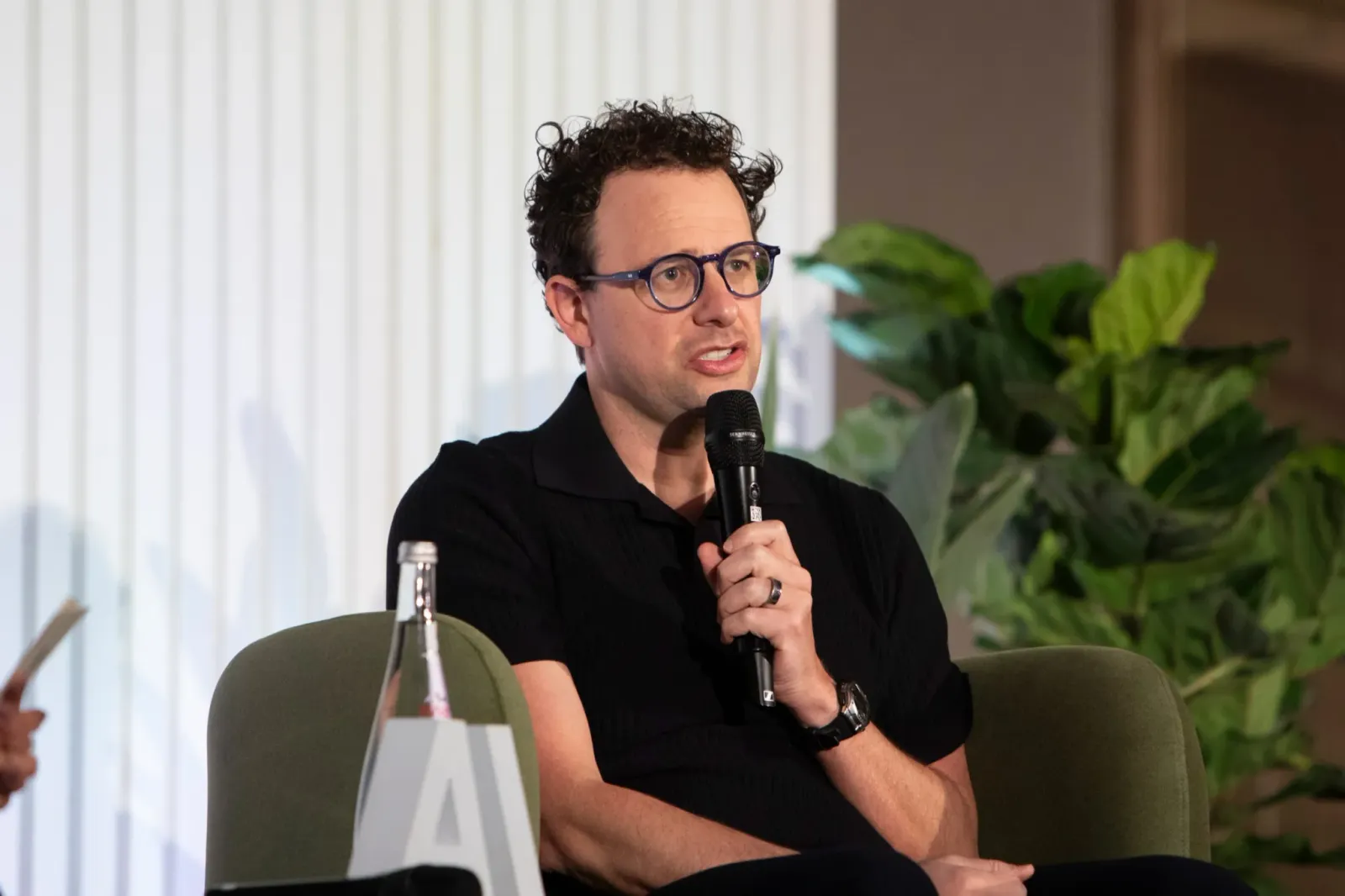
Anthropic CEO Dario Amodei says he spends about 40% of his time on culture rather than directly on AI training or product shipping. With Anthropic at 2,500 employees and recently confidentially filing for an IPO after a $65 billion funding round valuing it at $965 billion, his leadership focus centers on plainspoken, “unfiltered” internal communication and alignment.
Anthropic CEO Dario Amodei says he spends roughly 40% of his time making sure the company culture is good. In a February interview on the Dwarkesh Podcast, Amodei described his daily priorities as something other than training AI models or shipping products. It is an unusually candid window into how the CEO of one of the most closely watched AI companies is trying to prevent a scaling problem from turning into a mission problem.
Amodei’s comments land at a moment when Anthropic is no longer a scrappy, single-room operation. The company now has 2,500 employees and, this week, confidentially filed for an IPO after raising $65 billion in a recent funding round that valued it at $965 billion. As Anthropic has expanded, he said it has become nearly impossible for him to weigh in on every technical and product decision, so he has shifted toward what he calls the bigger picture: making sure employees like working at Anthropic, that the mission and values are clear, and that workers are aligned instead of “against one another,” as he said can happen at other unnamed AI companies.
Culture work, in his telling, is not vibe management. It is operational communication. Amodei emphasized constant communication and extreme sincerity. He said he tries to hold the company together by keeping everyone focused on the mission and making sure there is faith that other people are there for the right reason. That is the internal social contract you need when an organization grows fast, hires quickly, and competes in a market where product cycles and model releases can feel like a sprint.
One mechanism he relies on is a biweekly all-hands he calls a “DVQ,” short for Dario Vision Quest. He said he tried to resist the name because of its potential psychedelic connotation, but the format appears to be the point: Amodei stands in front of the entire company with a three- or four-page document and speaks for about an hour. The topics range widely, from product strategy to geopolitics and the broader AI industry. A large fraction of the company attends, in person or virtually.
To keep these meetings from becoming PR theater, Amodei says he speaks plainly, answering questions and avoiding what he calls “corpo speak.” He also maintains an active Slack channel where he writes responses to employee questions and his own thoughts throughout the week. The goal is a consistent internal information environment where people do not need to guess what leadership thinks. It is an approach that echoes the “radical transparency” leadership style pioneered by Bridgewater Associates founder Ray Dalio, who encourages employees to give honest feedback even to senior members. Dalio argues the approach improves company standards. Some critics have said a no-holds-barred communication culture could make employees more closed off, but the core idea remains: trust and feedback loops are part of execution.
This matters even more given the policy pressures Anthropic has been under. Earlier this year, Anthropic updated its Responsible Scaling Policy, dropping its pledge not to continue training its AI after it had reached a certain level of capability unless it could guarantee its safety measures were adequate. The change was driven by competitive pressures and a lack of regulations, according to Anthropic. Critics have implied the move shifts Anthropic’s mission away from the safety-first identity on which it was founded.
Amodei’s response, as he put it on the podcast, is an “unfiltered” approach to company issues. Inside Anthropic, he said he can be completely candid with employees about the company’s direction and the issues it faces. He linked that openness to keeping people on the same page, even as external pressure builds to reach profitability and outcompete other companies like OpenAI, the ChatGPT maker. He also framed the strategy around reputation: getting known for telling the company the truth about what is happening, calling things what they are, acknowledging problems, and avoiding defensive communication that often becomes necessary in public.
The strategic stake for executives is not just whether a CEO spends time on culture. It is what culture becomes when the company hits several stressors at once: rapid headcount growth, high-stakes competitive pressure, and capital markets scrutiny. When you add IPO timelines and massive funding valuation numbers to the mix, internal alignment becomes a risk-control function. Amodei’s bet appears to be that if the organization is built on trust, then leaders can run a high-transparency communication system without the internal politics that often come from ambiguity. For boards and other CEOs, the question is whether culture can scale as hard as models do, and whether “unfiltered” communication can keep mission drift from showing up as churn, confusion, or strategic whiplash.
This story's Key Insights and Take-aways are locked.
Create a free account to unlock Executive Actions for one credit.
Register to UnlockAlways free for Executives Club members. Join the Club
More in Business

Anthropic’s Levant Alpöge cracks the Jacobian conjecture after 87 years
A Harvard valedictorian used Claude to hit a 1939 breakthrough, but the missing “why” is the real problem.

Uber buys Delivery Hero for nearly $15B, vaulting to top food delivery outside China
The deal doubles Uber's dual-services footprint and pushes a ride-and-eats bundling play into 50 more markets.

Epic and Google drop settlement bid, forcing rival Android app stores by July 22
Google told the court it is ready to carry third-party app stores starting Wednesday, July 22.