

Anthropic overhauls Claude Design with design-system imports, code round-trips, token fixes
The April “research preview” hit 1M users in a week, then burned Pro tokens fast. Now Anthropic aims at enterprise compliance and calmer economics.
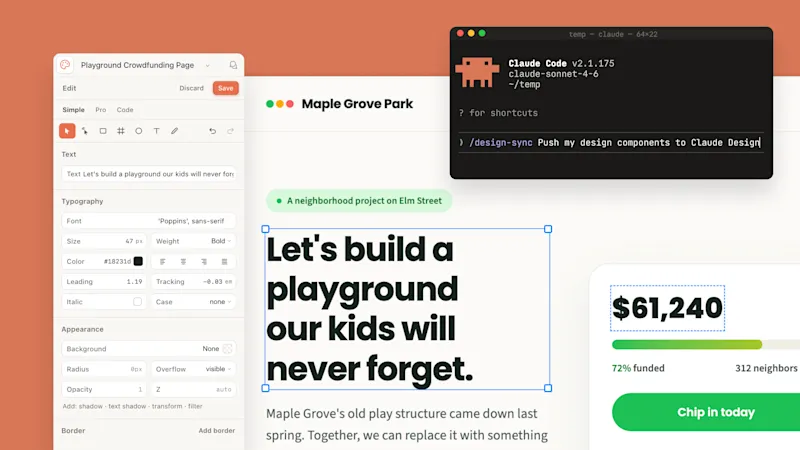
Anthropic shipped a major Claude Design overhaul that adds design system imports, bidirectional Claude Design and Claude Code syncing, and changes to address the tool’s token consumption. For decision-makers, the update reframes Claude Design from flashy prototype toy to something closer to a controlled enterprise design-to-code workflow.
Anthropic’s Claude Design has a new mission, and it comes with receipts. The product quietly launched in April as a "research preview" and pulled in more than one million users in its first week. But it also behaved like a token furnace: a PCWorld reviewer burned through 80 percent of his weekly Claude Pro allowance in roughly 25 minutes while producing just three variations of a single webpage prototype. Two months later, Anthropic is shipping a substantially overhauled version announced Wednesday, aimed at fixing that consumption issue while repositioning Claude Design from a demo into a more strategically important compliance layer for enterprises.
The headline features tell you exactly what changed. Claude Design is no longer just a prompt-to-layout generator with an unpredictable aesthetic. It now imports design systems, validates output against them, and can auto-correct before users even see the result. For larger organizations, Anthropic also added a new admin role that can approve one standard system and lock down edits so assets Claude produces conform to company guidelines. That shift matters because the enterprise question is usually the same and usually brutal: can we control what it produces? Claude Design is now built to answer yes.
Start with design system imports. In the rebuilt editor experience, users can bring one or several design systems into Claude Design from a GitHub repository, design files, or raw uploads. Once imported, Claude Design uses those components to build, checks the generated output against the design system, and auto-corrects along the way. Think of it as moving brand compliance from a human, manual QA step to a system-level guardrail. In April, Claude Design was described by Business Insider’s testing as a blank canvas that could generate visually impressive output but often with stylistic arbitrariness. When Canva AI was tested for a photography workshop slide deck, Business Insider said Claude Design "anticipated my needs" and "identified its own errors and corrected them without prompting," but the output reflected Claude’s aesthetic judgment, not the user’s brand. With imports, Anthropic is trying to make that difference disappear.
Then there is the Claude Design to Claude Code connection, which tackles another long-running pain point: the design-to-engineering handoff. Users can now run /design-sync in Claude Code to import a local codebase’s design system into Claude Design. That means prototypes start from real components rather than approximations. When the design is ready to ship, Claude Design hands off to Claude Code, which picks up where the designer left off. Anthropic says it avoids a common failure mode of today’s workflow, where handoffs involve screenshots, rebuilds, and lossy translation. The integration works in reverse too. From a Claude Code terminal, the /design command lets developers create, edit, and sync design projects without leaving their workflow.
The underlying bet is bigger than tooling. Handoffs fail because two different humans, or two different tools, interpret intent differently. Anthropic’s approach implies the problem is not purely “better specification formats” but continuity across modes. If the same AI system is doing both the visual prototyping and the code implementation while sharing the same component library, fewer interpretations happen and more work continues directly from the same source of truth.
Timing is also doing work here. In the past ten weeks, Anthropic has launched Claude Opus 4.8, released and then suspended the Mythos-class Fable 5 model, shipped ten agent templates for financial services, announced a multi-year alliance with DXC Technology to embed Claude inside the IT infrastructure of the world’s largest banks and airlines, rolled out Claude for Small Business with integrations into QuickBooks and PayPal, and published research showing Claude Code users average 20 hours per week. Just yesterday, it also published analysis of roughly 400,000 Claude Code sessions showing domain expertise, not coding proficiency, is the primary driver of successful outcomes, with every major occupation succeeding at coding tasks at nearly the same rate as software engineers. With design system import and design-to-code syncing, the same logic could apply: designers can succeed because they understand the design problem deeply, while the system handles execution across boundaries.
And yes, the token-burning problem remains a central stake. Anthropic is treating the earlier issue as more than user frustration. If a $20-per-month Pro subscriber could exhaust a weekly allowance in about 30 minutes, then Claude Design was effectively inaccessible to the users most likely to generate early viral adoption: individuals and small teams. Anthropic’s response is twofold. First, Claude Design now shares usage limits with chat, Claude Cowork, and Claude Code rather than drawing from a separate, smaller pool, giving most users more headroom. Second, Anthropic says it reduced average token consumption per turn while maintaining output quality, and that error rates have dropped sharply. Whether that is enough is still an open question because generative design is inherently token-expensive: each variation requires the model to reason about layout, typography, color, spacing, and content simultaneously and generate a complete artifact. Efficiency helps, but it doesn’t erase the fundamental economics.
For enterprise buyers, that may still translate into a practical difference. Enterprise customers on Team and Enterprise plans with higher limits may not be as constrained. For Pro subscribers, the math could remain tight, and the new editor’s direct control over elements like drag, resize, and align likely helps reduce waste by making it easier to converge on an acceptable version without re-creating everything. Either way, the product is clearly trying to grow up fast: it’s moving from “try it, wow” to “deploy it, govern it,” and from isolated design magic to a workflow that connects to the tools enterprises already use. For executives watching AI products move from consumer novelty to operating system for work, this is the kind of update that determines whether pilots become procurement conversations or disappear quietly after week one.
This story's Key Insights and Take-aways are locked.
Create a free account to unlock Executive Actions for one credit.
Register to UnlockAlways free for Executives Club members. Join the Club
More in Technology

Nvidia's $89B data center quarter: the 9 companies cashing in
The AI buildout is minting fortunes beyond GPUs, and memory, cloud, and cooling suppliers are riding the same wave.
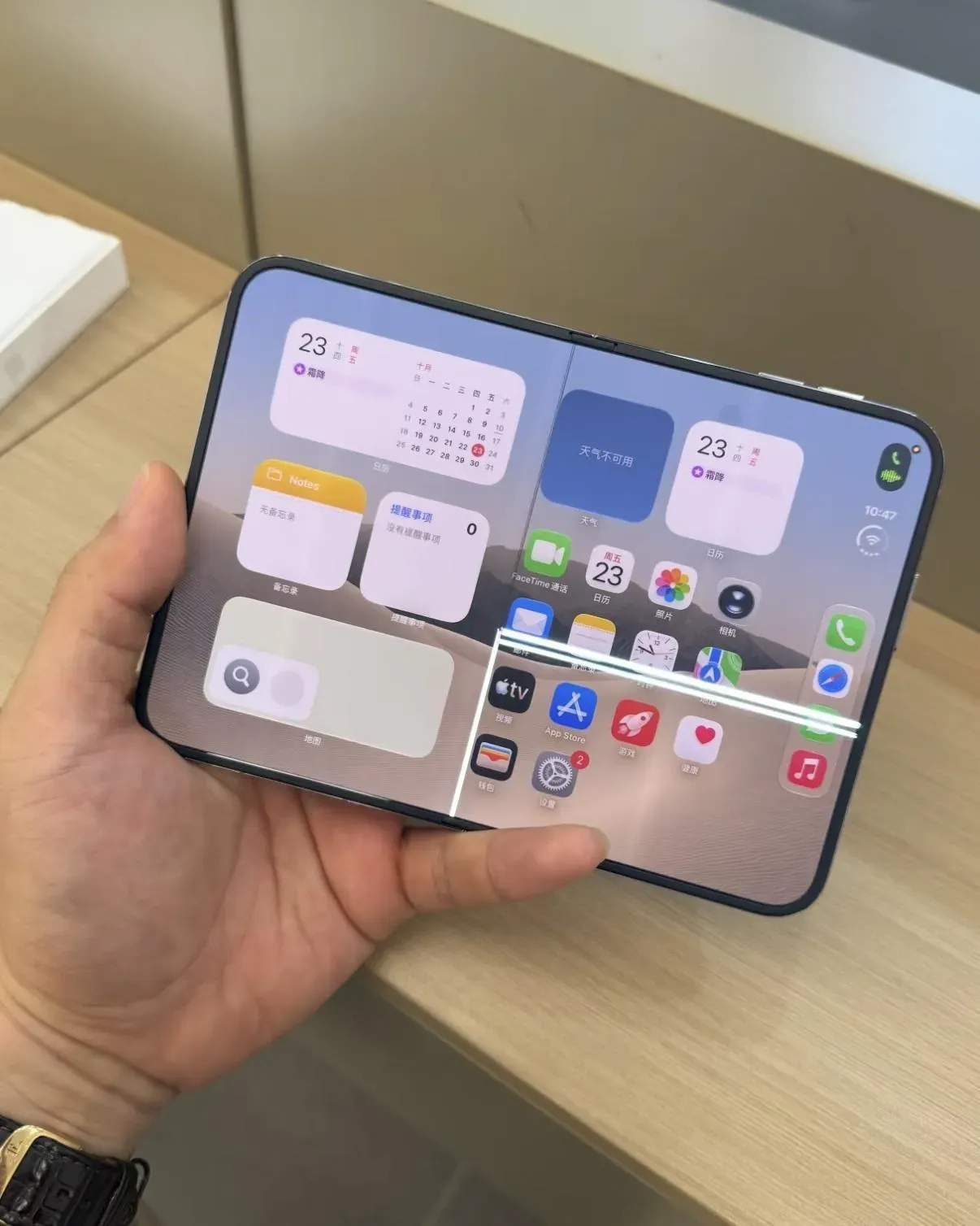
A YouTuber dissected the iPhone Duo and thinks he found crackgate's cause
CuriousHagi's teardown of Apple's foldable reveals a gear-like hinge that may explain why screens crack in the same spot within hours.

Google quietly links your phone number to every Android account on your SIM
Adding a SIM now ties your phone number to all Google accounts - and future accounts inherit it. Here's the security and privacy stakes.