

Anthropic plugs Claude AI into Japan for automated software development
Japan becomes the next proving ground for Claude, with a focus on turning code requests into software outputs faster.
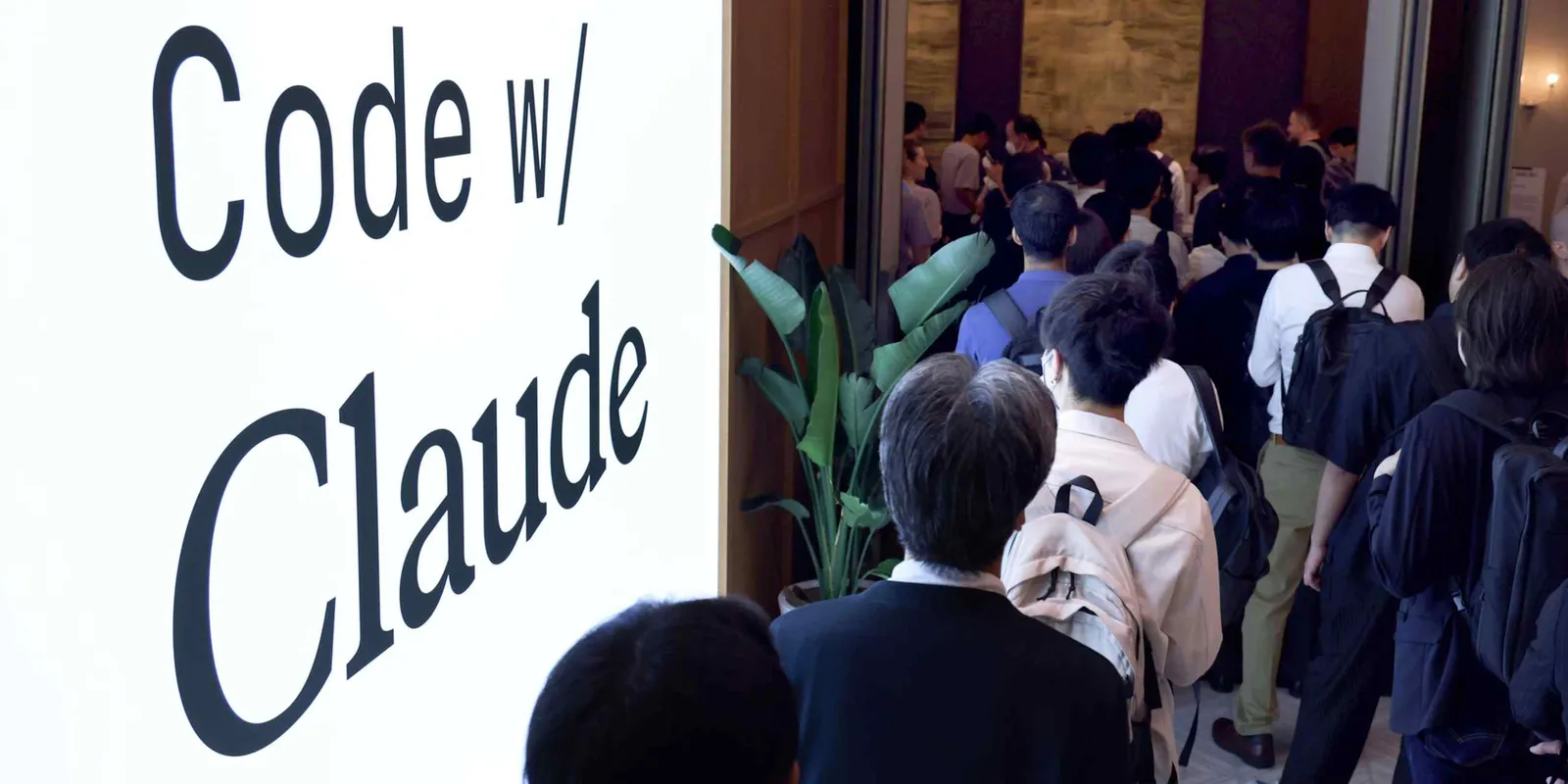
Anthropic is bringing Claude AI to Japan, targeting automated software development with an implementation designed for real production workflows. For decision-makers, it signals that AI-assisted engineering is moving from demos to deployment, and regulators will quickly matter.
Anthropic is plugging Claude AI into Japan for automated software development, aiming to take the “AI wrote some code” phase and push it toward something closer to software teams actually using it. The specific move, reported by Nikkei Asia, matters because Japan is not just another geography. It is a market with real manufacturing-grade expectations for reliability, security, and process, which means “does it work in practice?” becomes the benchmark, not “does it impress in a notebook?”
In plain terms, Anthropic’s Japan effort is about using Claude to automate parts of the software development lifecycle. That can include translating software requests into code, helping generate or modify components, and supporting iterative build-and-test cycles. The strategic punch is timing: teams are under constant pressure to ship faster while keeping quality control tight, and automation is the pressure valve they are seeking. If Claude can help reduce the manual effort required for certain engineering tasks, it can change how organizations staff work, how they prioritize backlog items, and how they structure reviews.
This is not happening in a vacuum. Across the global tech stack, the industry is rapidly shifting from AI as a “chat utility” to AI as a “work utility.” Earlier waves focused on productivity for knowledge work, but software engineering is different because outputs are unforgiving: code either runs or it does not, and mistakes can turn into outages. That is why automated software development is such a consequential wedge. It tests not only model capability, but also how safely the system can operate inside an engineering workflow that has approvals, testing, and guardrails.
Japan adds extra stakes. The Japanese ecosystem includes a strong tradition of disciplined process in enterprise IT, and that tends to reward implementations that fit existing governance rather than trying to replace it. For executives, the key question becomes integration. Not “can Claude generate code,” but “can it sit in the development pipeline without creating chaos.” That includes version control realities, audit trails, security requirements, and how outputs are validated. The shift to Japan implies Anthropic believes these practical integration challenges are addressable, at least enough to justify deployment.
There is also a regulatory and risk backdrop that cannot be ignored. Even when the source does not name a specific regulator in this report, the broader global trend is that AI systems increasingly face scrutiny around privacy, security, and accountability. Automated software development intensifies those concerns because AI is producing artifacts that can affect downstream systems, potentially including customer data flows or critical infrastructure components. For boards and compliance leaders, the implication is that AI vendor selection and internal controls need to evolve from “evaluation for accuracy” to “governance for operational risk.”
The second-order implications for other players in AI and enterprise software are immediate. If Anthropic can make Claude useful for automated software development in Japan, that becomes a reference point for other markets and for other enterprise buyers. Competitors will be pressured to show similar deployment readiness, not just better benchmarks. Meanwhile, enterprise customers will start asking sharper procurement questions: What is the expected error rate in code generation for our use cases? How are outputs tested? What data does the system use, and how is it handled? How do we handle licensing and IP boundaries when AI contributes to code?
Finally, the strategic stakes are organizational. Automated software development can change work allocation between roles. If certain tasks become more automatable, engineering managers may restructure teams toward higher-level design and review, with more time spent on architecture and less on repetitive implementation. That can be good for throughput, but it can also stress quality if process is not updated. For executives, the move is a reminder that AI adoption is not a one-time project. It is a continuous reengineering of workflows, accountability, and measurement. If Japan is where Claude starts to prove itself in practice, then other companies operating in similar compliance-heavy environments will be watching closely to see how fast “production AI engineering” becomes the new baseline.
This story's Key Insights and Take-aways are locked.
Create a free account to unlock Executive Actions for one credit.
Register to UnlockAlways free for Executives Club members. Join the Club
More in Technology

OpenAI says 10,000 agents cracked a 90-year math problem in 88 hours
The company's claim is audacious, but one mathematician is pushing back. Here's what it means for AI-driven discovery.

Meta still serves child sexual abuse ads on Instagram in India - BBC report
A new report following the BBC Eye investigation says the ads are still there - what it signals for every platform with a self-serve ad engine.

White House yanks 'Build the Wall' game after Tetris Company copyright warning
The administration's arcade game vanished in hours - and the takedown playbook every brand can learn from.