

Anthropic's $1.5B author payout just got messier: publishers want a cut
Authors who won a landmark AI copyright settlement are finding their own publishers filed competing claims for the same money.
Anthropic agreed to pay $1.5 billion to authors whose books it used without permission, but For decision-makers, the payout is now a legal tug-of-war that could reshape how AI training data settlements are distributed.
Anthropic's $1.5 billion payout to authors whose books it used without permission is now caught in a second fight: their own publishers want a cut. The New York Times reported Friday that authors and publishers have filed competing claims over the same titles, meaning the money is not simply being counted out to writers. Some authors are discovering that a share of their settlement will go to the publishers who originally released the books.
The payout stems from a lawsuit in which authors accused Anthropic of pirating their books to train its AI models. Anthropic agreed to the $1.5 billion figure to resolve those claims. Now that the money is being distributed, the question of who actually owns the rights to those works has resurfaced. Publishers argue they are entitled to part of the proceeds, and the court will have to sort out competing claims for the same titles.
The competing claims create a legal puzzle. Authors typically sign contracts that grant publishers certain rights, including ebook and licensing rights. When a settlement compensates authors for unauthorized use of their work, publishers may argue that their contractual share applies. The NYT report indicates that both sides are now filing claims for the same titles, and the court will have to decide who gets paid first. For authors, the discovery that their own publisher is claiming a share could change how they negotiate future contracts.
This is not just a dispute over one $1.5 billion check. It sets a precedent for how future AI copyright settlements are divided. As more AI companies strike deals with content creators, the question of whether publishers, platforms, or individual authors are the true beneficiaries will determine who actually gets paid. The publishing industry has been watching AI training data cases closely, and this settlement is one of the largest to date. The way it is distributed will be watched by lawyers, agents, and executives across media and technology.
For executives at AI companies, the lesson is that settling a copyright claim is not the end of the story. The distribution of settlement funds can create new conflicts between parties who share rights in the underlying works. Companies negotiating future licensing deals should consider how payments will be allocated among authors, publishers, and other rights holders before signing. A settlement that ignores those relationships can turn a clean exit into a new legal battle.
For publishers, the competing claims are a chance to recover revenue from a new stream of AI licensing income. For authors, it is a reminder that their contracts may give publishers a claim on unexpected payouts. The court's decision will effectively rewrite the economics of AI training data for both sides. Publishers who win a share will have a stronger hand in future negotiations with AI companies. Authors who keep the full amount will have more leverage in the next round of deals.
The outcome will be closely watched by every company that trains models on copyrighted material. If publishers win a share, future settlements may need to be structured with publishers at the table from the start. If authors keep the full amount, it strengthens their bargaining position in the next round of AI deals. Either way, the $1.5 billion payout is no longer just a check to writers; it is a test case for who owns the value of words in the age of AI.
This story's Key Insights and Take-aways are locked.
Create a free account to unlock Executive Actions for one credit.
Register to UnlockAlways free for Executives Club members. Join the Club
More in Business
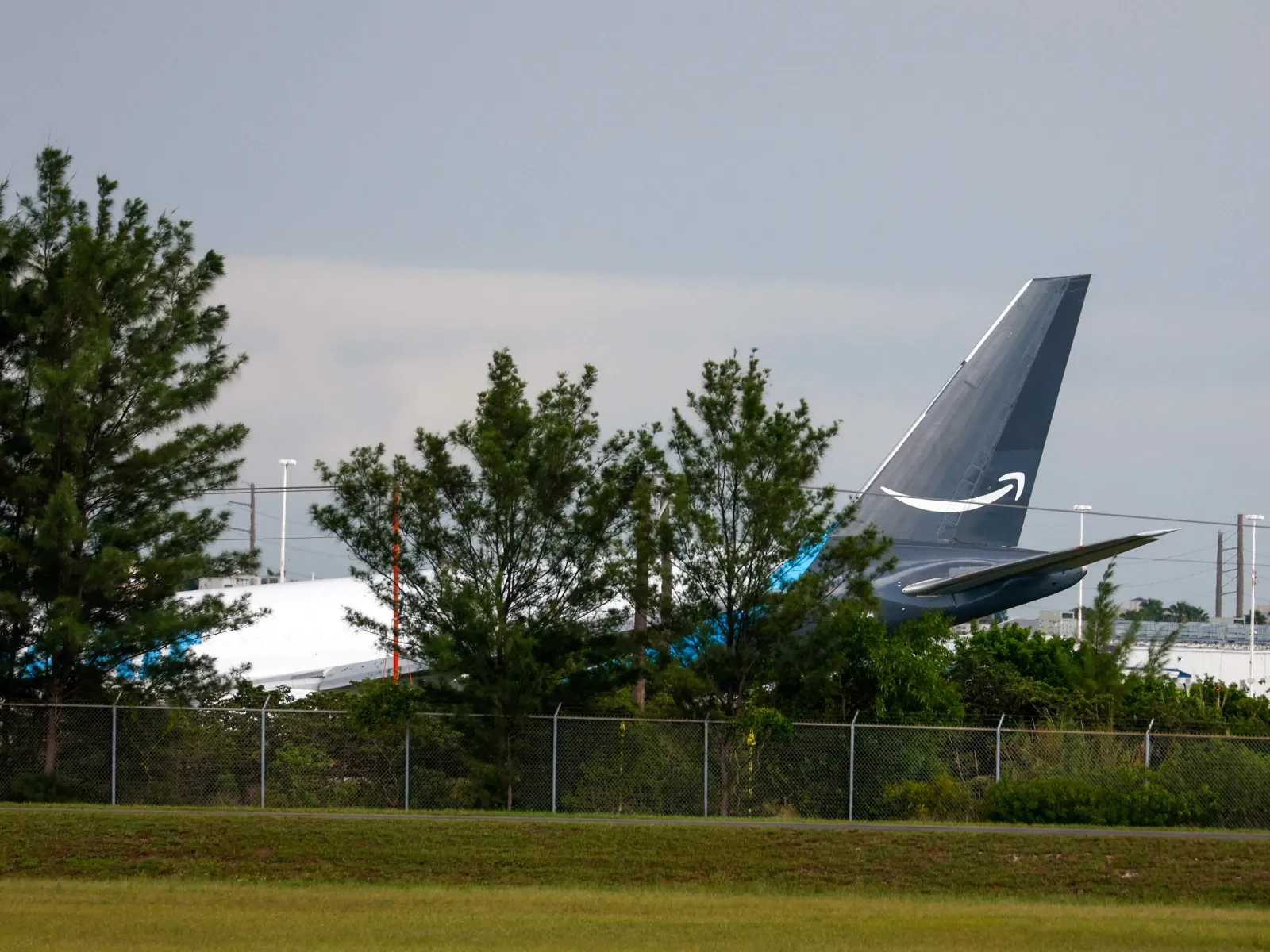
Amazon Prime Air 767 overshoots Miami runway, killing at least 5
The Boeing 767 freighter from San Juan struck vehicles and erupted in flames, prompting a ground stop and a fresh NTSB investigation into Amazon's air cargo network.

Death sentence for TV presenter Sarah Khalifa: Egypt's drug case hits media
The sentencing of Sarah Khalifa and 11 others underscores the severity of Egypt's anti-drug laws and the exposure of public figures to capital punishment.
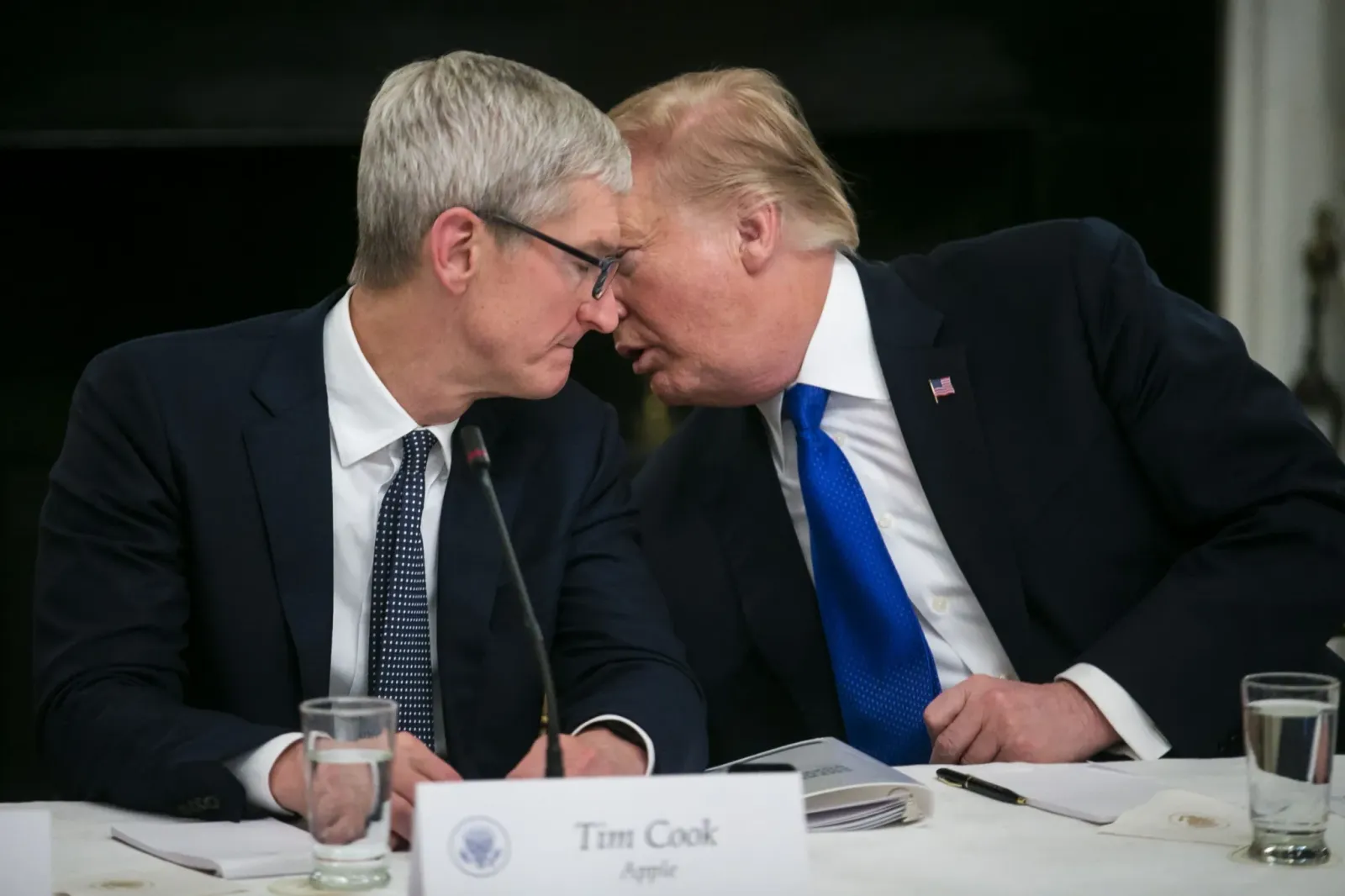
Tim Cook steps down as Apple CEO, stays on as chair with $45M equity
The 'Trump whisperer' keeps his White House and Beijing access as Apple navigates tariffs and a $4.6 trillion market cap.