

Anthropic’s Fiona Fung says Claude Code made work feel “lonely” for engineers
The fix was hackathons and pair programming lunches. It also reveals a bigger tech morale stress test.
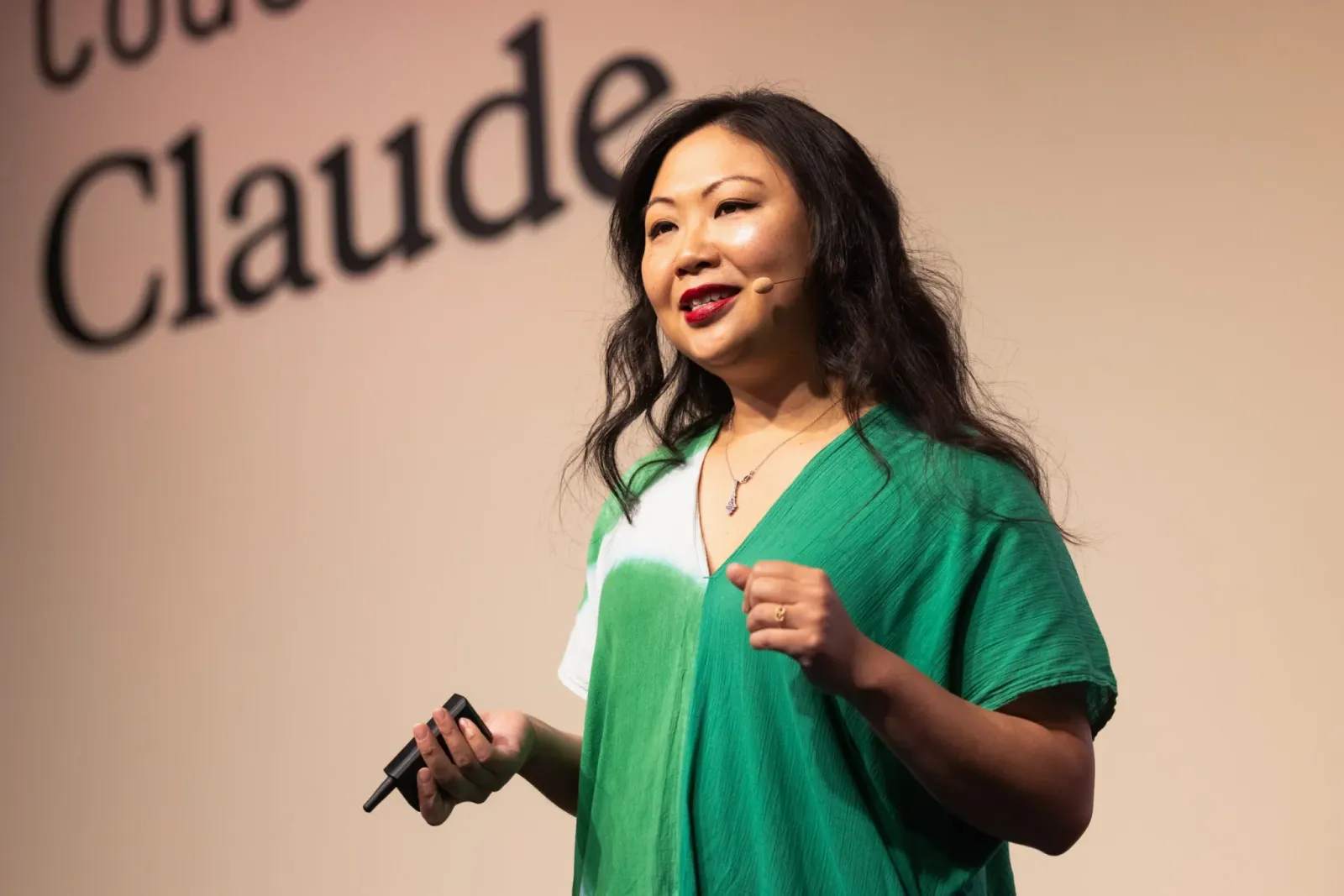
Fiona Fung, Anthropic’s engineering leader for the Claude Code and Cowork teams, said agentic AI use can make engineers feel isolated. Her team responded with hackathons and pair programming lunches, offering a blueprint for how companies should manage AI-driven work change.
Anthropic’s engineering leader Fiona Fung says Claude Code started to make her team’s work feel “a lonely experience” after engineers spent “just working with our agents so much.” In a recent episode of Lenny’s Podcast, Fung explained that as agentic AI use in the workplace increases, the first bottleneck may not be the technology. It can be the human environment around it, specifically whether people still feel connected to each other while they ship.
Fung said Anthropic intervened directly, rolling out hackathons “just to make sure we're interacting together as a team,” plus pair programming lunches where employees share how they’re using Claude Code. She called both approaches successful, saying that “when we do pairwise programming, we actually learn so much from each other,” and “every time I watch someone work, I learn something myself as well.” That is the key point: the “agent” doesn’t automatically replace collaboration, but it can quietly crowd out the routine behaviors that keep teams healthy.
A spokesperson for Anthropic told Fortune the company is paying close attention to how AI tools change employee collaboration, framing it as an “evolution of pair programming.” Where pairing used to be about solving a tough problem together, the spokesperson said it is increasingly about seeing how a colleague uses the new tools and systems differently, so even as more work shifts toward collaborating with agents, engineers keep learning from one another. The spokesperson added that sharing not only the smooth parts but also the “hard parts” helps Anthropic build tools that “best serve the people using them.”
This isn’t just a workplace-softness story. It is morale at scale, and the source links it to a broader and more volatile labor market. Fortune notes there have been about 120,000 tech layoffs in 2026 so far, nearly equaling 2025’s total. Some companies pushing those reductions have cited AI, including Meta, which let go of 8,000 workers this year. Even people who are not laid off can still absorb the psychological shock of restructuring plus the anxiety that AI advancements introduce into job security and day-to-day work.
On Blind, a platform where verified anonymous users discuss workplaces, tech workers have lamented low morale after layoff announcements and geopolitical uncertainty. Sunguk Moon, cofounder and CEO of Blind, told The New York Times last month that “It went from personal career planning to mass anxiety,” with users describing how hard it is to stay motivated when they may lose their job “very soon, maybe tomorrow.” The subtext for executives is uncomfortable: morale isn’t only about whether a company is growing. It is also about whether the organization signals that human contribution still matters when strategy shifts and technology accelerates.
Meta has seen how morale can roil internally. Fortune reports that in an internal email, Meta chief technology officer Andrew Bosworth said the company’s communication around restructuring its AI division was “atrocious,” as Wired reported last week. The memo came after members of the 6,500-person Applied AI team expressed frustration that their work consisted of menial tasks with minimal interaction with other employees. Meta declined comment. In the email, Bosworth wrote that the company “undermined the trust you have that your specific expertise and contribution will be valued,” and said they shook up management structure that previously provided stability, while rapid strategy changes and the boom/bust cycle of hiring left teams “in the lurch.”
Bosworth also promised steps aimed at making work “fun and enjoyable,” including increasing travel budgets and social event spending, plus “improving microkitchens” with snacks. Fortune includes a professor’s lens on the systemic cause: Jeffrey Pfeffer, professor of organizational behavior at Stanford Graduate School of Business, told Fortune that unrest in tech reflects the “move fast and break things” tradition that leaves workers vulnerable. Pfeffer added that many people enter jobs believing employers care for them, and then feel disappointed when that is not how it plays out.
AI adds a second layer because it can restructure tasks even for the people building the systems. Fortune cites a Gallup report published this month: among U.S. tech workers who use AI at least monthly, the likelihood of being laid off is about 6%, which triples to 18% among workers who use the technology less frequently. That pattern is a reminder that adoption and job risk are intertwined. Neil Thompson, an assistant professor of innovation and strategy at MIT Sloan School of Management, told Fortune that tools coming in restructure jobs: some tasks disappear, others appear. “That is a stressful time, right?” he said, especially when people cannot predict what the new tasks will look like, and can still see old tasks being threatened.
Thompson also points out that there is a morale management play available that is not fluffy: reskilling, plus transparency about how automation might change labor “for better and for worse.” He notes that historically the pattern can be fewer experts in certain positions with wages rising, and more roles in other areas with wages decreasing. “If we think about the morale of people in these areas, I think one thing that can help is to say, like, this is not all doom and gloom,” Thompson said, adding that sometimes new capability expands opportunity because more people can enter that field.
Anthropic’s own reporting shows how that threat can feel inside the work. Fortune describes a company report published earlier this month on recursive self-improvement, or AI’s ability to better itself with its own capabilities. One worker expressed fear about the limitation of their role: on days when “everything works well,” they cannot help but think “nothing I do matters,” while on days when “everything breaks,” they realize they have “no idea what I’ve been up to anymore.” Other employees said Claude augmented their work and left humans in the driver’s seat for selecting model direction. Anthropic also touted Claude’s ability to ship more than 800 API error fixes in April, saying it would have taken a human four years to complete.
For executives and board members, the strategic stake is simple: AI can change work faster than culture can absorb it. Fung’s “lonely experience” is a warning sign that collaboration rituals matter, even when teams are using better tools. Meanwhile the layoff-and-morale backdrop, including Meta’s internal comms fallout, shows how quickly trust can degrade when changes happen without connection and clarity. The question peers should ask is not only “Is AI improving productivity?” It is “Are we redesigning the human system around it, so people still feel together, still learn from each other, and still believe their work has value while the org reorganizes?”
This story's Key Insights and Take-aways are locked.
Create a free account to unlock Executive Actions for one credit.
Register to UnlockAlways free for Executives Club members. Join the Club
More in Business

A flaw in PHP just forced governments to pull their own sites offline
European agencies from Belgium to Germany took websites dark to patch a critical weakness in the language behind almost 70% of the web, and the blast radius extends far beyond government portals.
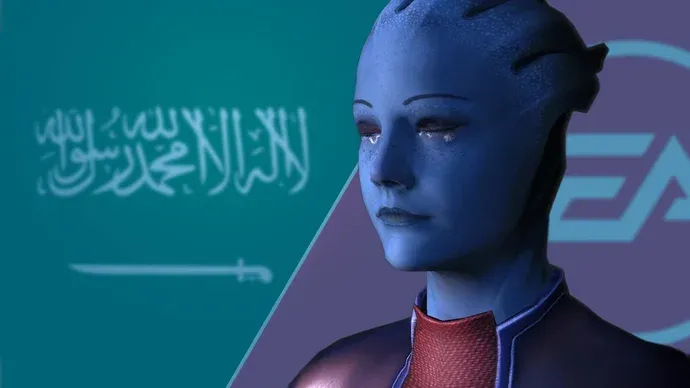
BioWare shuts down, Mass Effect 5 dead after $55B EA buyout
The legendary RPG studio's closure lands months after a $55 billion investment group buyout of EA, raising tough questions for gaming's biggest acquirers.
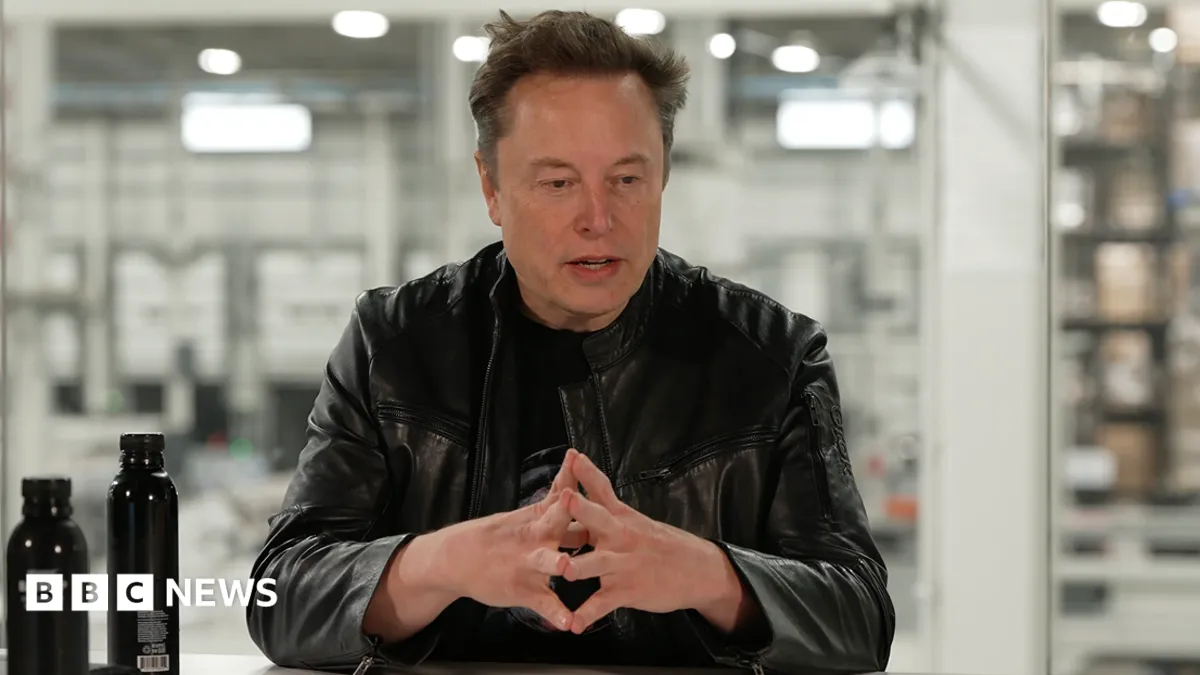
Musk weighs Tesla-SpaceX mega-merger as boards form review panels
Special committees at both companies will examine a tie-up that could fuse electric vehicles and space launch, forcing a fresh look at governance and valuation.