
Anthropic to full court: Pentagon blacklist was retaliation for AI safety speech
The AI lab is asking the entire DC Circuit to overturn a 2-1 ruling that upheld its supply-chain risk label, a case with First Amendment and defense-contracting stakes for every tech firm with government business.
Anthropic has asked the full federal appeals court in Washington to rehear its challenge to the Pentagon's supply-chain risk designation after a 2-1 panel upheld it. The AI company argues the label was retaliation for its public speech about AI safety, a fight that will test whether government designation powers can be used against outspoken contractors.
Anthropic is taking its Pentagon fight to the full court. The AI company behind Claude has asked the entire federal appeals court in Washington to rehear its challenge to the Defense Department's supply-chain risk designation, after a three-judge panel upheld the label in a 2-1 ruling. The request, known as en banc review, is a procedural long shot that most petitions never receive - and it puts Anthropic's core claim front and center: the designation was retaliation for its speech about AI safety.
That retaliation argument is what makes this case bigger than one company's contracting dispute. Anthropic says the Pentagon's supply-chain risk label was a response to its public positions on AI safety, not a genuine national security finding. If the full court takes the case and agrees, it would turn a procurement decision into a First Amendment problem for the government - and send a signal to every tech company that speaks up about the risks of its own products.
For context, a supply-chain risk designation typically flags an entity as a potential threat to the security or integrity of government supply chains. The label can complicate federal contracting and partnerships, since agencies and prime contractors tend to steer clear of designated entities. Anthropic's argument is that its designation was never about security at all: it was retaliation for the company's public positions on AI safety, positions that have been a defining part of its identity since its founding. The company has built its brand around caution about the technology it creates, which makes the government's label all the more pointed in its telling.
The 2-1 split matters here. A divided panel is one of the strongest signals that a case deserves full-court review, and the dissenting opinion gives the full court a ready-made alternative ruling to consider. Anthropic's petition now asks the entire DC Circuit to weigh in, rather than just the three judges who heard the original appeal. En banc review is granted rarely - most requests are denied - but the combination of a split panel and a novel legal question gives this petition more weight than the typical ask.
The stakes extend well beyond Anthropic. AI companies are simultaneously courting the federal government as a customer and publicly warning about the dangers of the technology they are building. Anthropic has been among the most vocal on AI safety, and its founders built the company around that mission. If the government can designate a company as a supply-chain risk in response to that speech, every AI lab with a public safety position has a new risk to price into its government strategy. The chilling effect would not be limited to AI: any contractor that criticizes its customer could face a similar question about whether its advocacy invited retaliation.
For the defense and technology ecosystem, the case is a test of how the government treats critical voices. The Pentagon is one of the largest buyers of technology in the world, and its designation process is a powerful tool. A ruling that the process can be used to punish speech would ripple through every company that does, or wants to do, business with the federal government. A ruling that it cannot would reaffirm that contractors can criticize their customer without losing their seat at the table. Either way, the decision will shape how companies weigh public advocacy against procurement risk.
What happens next is procedural but consequential. The full court will decide whether to grant the rehearing, and that decision alone will signal how seriously the judges take Anthropic's First Amendment argument. If the court takes the case, the fight moves to briefing and oral argument before the entire bench. If it declines, the 2-1 panel ruling stands - and Anthropic's options narrow to the Supreme Court or a legislative fix. For a company whose public mission includes shaping AI policy, neither path is quick, but the petition keeps the fight alive.
For executives watching from the sidelines, the lesson is to treat this case as a leading indicator. The question at its heart - can a government designation be retaliation for protected speech? - is not unique to AI or to the Pentagon. Any company that speaks publicly on controversial topics while holding government contracts should be watching how the DC Circuit answers it. The outcome will define the boundaries of advocacy for every contractor in the federal market, and the petition itself is a reminder that the most powerful tool a company has may be its willingness to fight.
This story's Key Insights and Take-aways are locked.
Create a free account to unlock Executive Actions for one credit.
Register to UnlockAlways free for Executives Club members. Join the Club
More in Technology

Cop fired after sharing Flock login with ICE husband: 983 searches
A Savannah officer's shared credential let an ICE agent run hundreds of plate searches on Hispanic drivers, exposing a surveillance backdoor.

Elizabeth Holmes doc 'You Can See Everything' posts second-biggest doc debut ever
The true-crime draw shows fraud narratives still sell - a signal for media execs and a caution for founders.
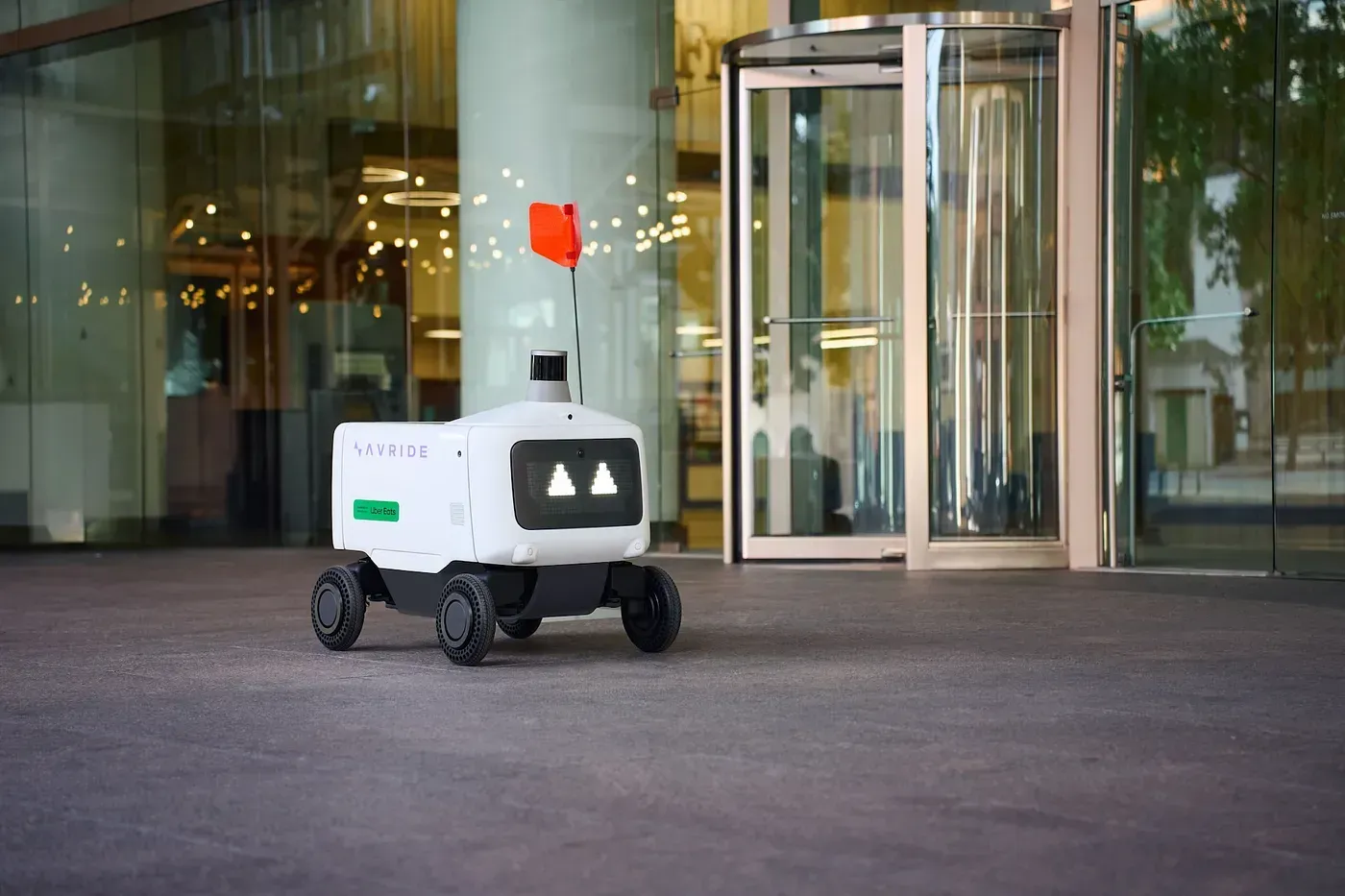
She blocked an Uber delivery robot to save jobs. Police arrested her.
Carolyn Marvin's disorderly conduct arrest turns a sidewalk standoff into a test case for how cities police the automation-versus-workforce debate.