
Antonio Gracias’ $65B SpaceX stake sets him up to reap IPO billions
The investor built a $65 billion stake in SpaceX, illustrating how being close to Elon Musk can pay in public-market form.
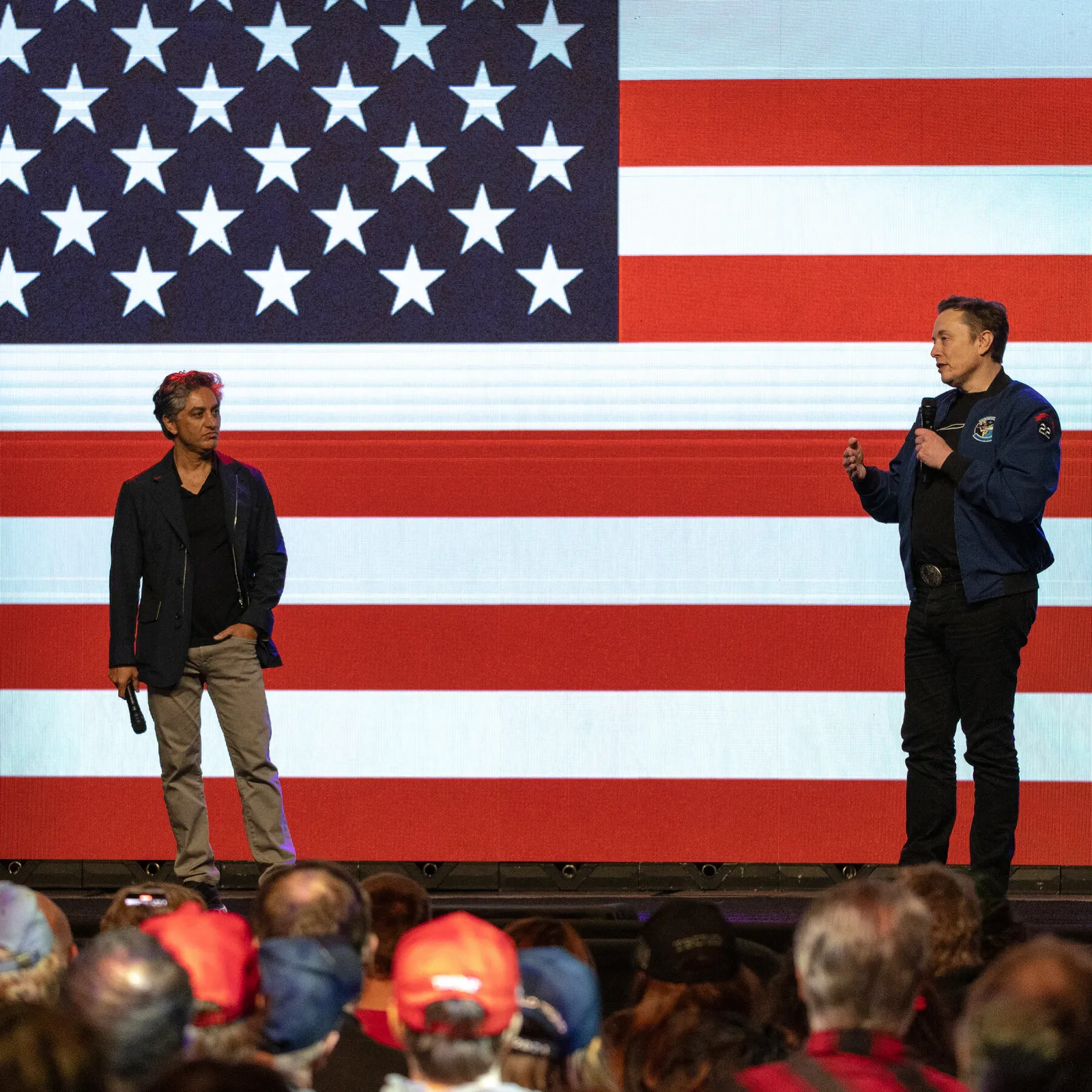
Antonio Gracias, the investor behind a $65 billion stake in SpaceX, stands to benefit from SpaceX’s IPO. For decision-makers, the setup is a live example of how private ownership exposure can translate into public-market upside.
Antonio Gracias, an investor with a $65 billion stake in SpaceX, is positioned to reap billions from the company’s IPO, according to the New York Times. The basic math is straightforward: if a private company that big goes public at scale, large pre-IPO holders can see that paper value turn into real liquidity and, potentially, outsized wealth. The detail that matters is not just that Gracias is rich, but that his wealth is tied directly to SpaceX itself, and to the specific advantage of having built a massive exposure before the IPO moment arrives.
In other words, the economic upside here is not theoretical. The Times story frames Gracias as an exemplar of what happens when you have both the stake size and the timing. A $65 billion stake is not a rounding error or a side bet. It is the kind of concentration that can reshape an investor’s entire portfolio and risk posture. And in the IPO context, that stake size matters because IPOs typically create a short window where pricing expectations and allocation dynamics can move quickly, turning long-held positions into investable and spendable gains.
To understand why this is a big deal for executives and boards, it helps to remember how SpaceX is different from many legacy aerospace companies. Space is capital intensive, regulatory heavy, and technologically unforgiving. That means private-market winners can emerge among investors who can tolerate long timelines, regulatory uncertainty, and high burn. When those winners later list, the upside is often dramatic not because public markets suddenly discover the idea, but because the market finally agrees to give that private risk a public valuation.
There is also an incentive structure running under the surface. In private companies, large investors can gain influence through both economics and relationships. Being close to a high-velocity founder can create earlier access to information, more confidence in the long-term thesis, and a faster route to deploying capital. The Times describes Gracias as “Mr. Musk’s ally,” and that phrase is the point. It is a reminder that IPO outcomes are not only about the company’s fundamentals. They are also about the network and deal access that shaped who was able to build the biggest position before the liquidity event.
Now add the IPO mechanics. An IPO is a regulatory and market event, not just a company story. It requires disclosures, oversight, and a valuation that investors can underwrite in public markets. That process can reward shareholders who already have large stakes because those shareholders are the ones most directly matched to the public valuation. In practice, a $65 billion stake means Gracias is effectively the kind of shareholder who can benefit whether the IPO becomes a smooth transition or a more volatile, price-discovery moment. In either case, the path to “billions” exists because the stake is already scaled.
This is the second-order signal for other executives: in high-risk, high-capital sectors, pre-IPO ownership is often where wealth concentrates, and it concentrates fastest for those already positioned before the public story solidifies. Boards and CFOs often focus on valuation and fundraising, but the emerging lesson is also about shareholder composition. Who holds the biggest blocks? How concentrated is the ownership? And how does that affect the company’s post-IPO narrative, trading behavior, and governance expectations? Large, well-capitalized investors can bring stability, but concentrated positions can also create optics questions as public investors look for alignment between insiders, strategic backers, and the broader shareholder base.
The strategic stakes are bigger than one investor’s payday. For other founders considering an IPO, and for other large private holders deciding whether to hold, sell, or rebalance, the Gracias setup highlights a core reality of capital markets: the IPO is the moment when long-duration private risk meets short-duration public liquidity. If the valuation is favorable, large holders can unlock massive gains quickly. If the valuation is less favorable, those same holders can still be highly exposed because the stake size is so large. That asymmetry is exactly why governance, disclosure, and investor alignment matter before the first day of trading.
So while the headline is about Antonio Gracias set to reap billions, the broader takeaway is about leverage. Stake size plus timing plus the founder ecosystem can determine who turns a private bet into public wealth. In a world where every major tech and space company is racing toward liquidity events, that lesson will keep showing up at the center of boardroom conversations, even when the meeting agenda is about something else.
This story's Key Insights and Take-aways are locked.
Create a free account to unlock Executive Actions for one credit.
Register to UnlockAlways free for Executives Club members. Join the Club
More in Business

Anthropic’s Levant Alpöge cracks the Jacobian conjecture after 87 years
A Harvard valedictorian used Claude to hit a 1939 breakthrough, but the missing “why” is the real problem.

Uber buys Delivery Hero for nearly $15B, vaulting to top food delivery outside China
The deal doubles Uber's dual-services footprint and pushes a ride-and-eats bundling play into 50 more markets.

Epic and Google drop settlement bid, forcing rival Android app stores by July 22
Google told the court it is ready to carry third-party app stores starting Wednesday, July 22.