
Apple releases iOS 27 public beta Tuesday, opening revamped Siri AI to everyone
iPhone owners get early access to Apple’s AI-powered Siri and other new features before iOS 27 launches this fall.
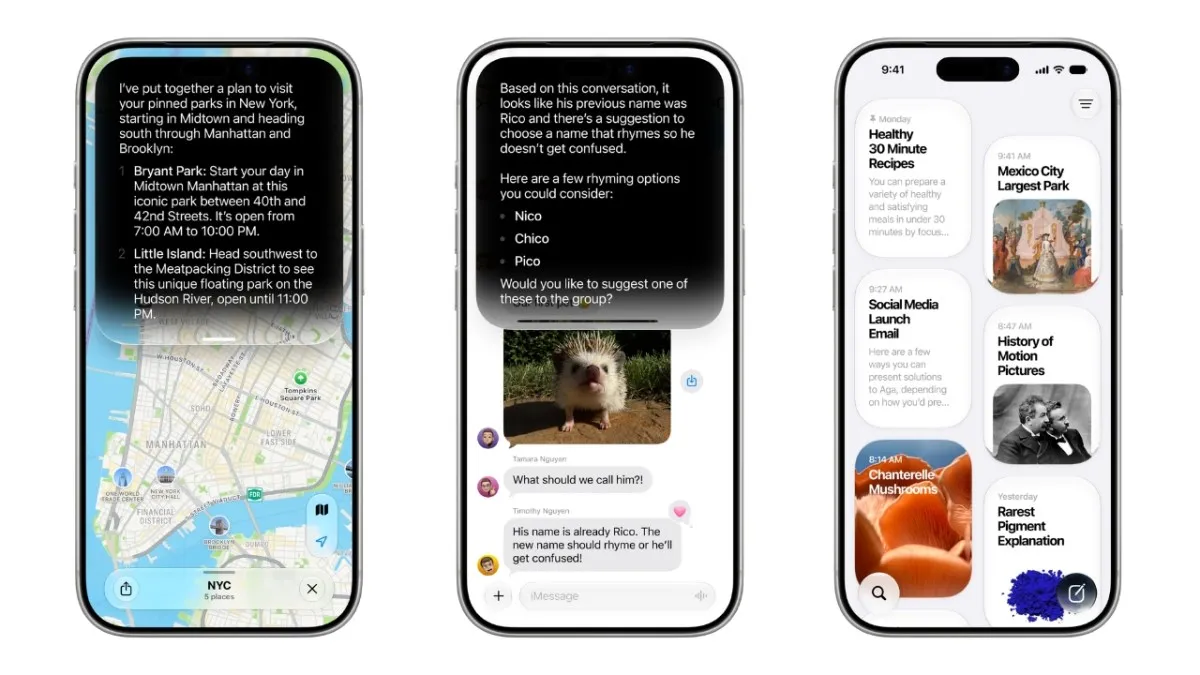
Apple released the iOS 27 public beta on Tuesday, bringing its revamped, AI-powered Siri to iPhone users without requiring a developer beta. For decision-makers, the rollout turns “watch time” into a measured adoption test that could pressure competitors’ AI assistant roadmaps ahead of iOS 27’s official fall launch.
Apple quietly pulled the developer-beta curtain back. On Tuesday, the company released the iOS 27 public beta, giving iPhone owners early access to its revamped Siri, including its AI-powered assistant experience, along with other new features. And crucially, you do not need a developer account to try it.
That timing matters. Apple is positioning iOS 27 for an official launch this fall, but it is also letting the broader public stress-test the product now. In practice, that means real users, real devices, and real usage patterns will start shaping the conversation long before the release day that most people associate with “the upgrade moment.”
Here is why this is a big deal for anyone who cares about the AI assistant market, not just Apple fans. Apple is not the only player trying to make AI assistants feel useful in everyday life, but the iPhone ecosystem is one of the most distribution-heavy environments in tech. When Apple opens an assistant upgrade through a public beta, it converts curiosity into actual behavior. Users click around, try prompts, compare expectations to outcomes, and then decide whether Siri feels meaningfully smarter or just different. That kind of feedback loop is hard to replicate with narrower beta groups.
Also, public betas shift incentives. Developer betas are valuable because they surface technical issues, but they skew toward people who already have motivation to tinker. A public beta includes mainstream users. That expands the surface area of what can go wrong, and it expands the range of what users ask for. For Apple, that can help the company refine the assistant experience before the fall launch. For everyone else, it creates a moving target: competitors have to treat “Siri with AI” as a live, evolving product that is already being tried by a larger slice of the market than before.
The regulatory angle is more subtle but real. Over the past year, regulators and policymakers have increasingly focused on how dominant platforms distribute core features, collect data, and shape user choice. While the source here does not mention specific regulatory actions, the structure of this rollout still matters for executives watching compliance risk. Public betas broaden the user pool and can also broaden the scrutiny. If AI assistant behavior becomes a measurable driver of what users can access on a platform, regulators tend to want to understand the boundaries early, not after a feature becomes entrenched.
There is a second-order implication for product strategy across the board: betas are now part of competitive signaling. By releasing iOS 27 public beta ahead of the official launch this fall, Apple is telling the market, “This is not hypothetical anymore.” It is a soft unveiling with an attached experiment. Competitors can no longer rely on the argument that they are “next” or “planning.” If users experience Apple’s revamped Siri AI now, they will carry those expectations into fall comparisons.
For boards and investors, the strategic stakes look like this: AI assistants are no longer just a feature; they are becoming a workflow layer. That can influence retention, usage frequency, and even how people think about platform value. When Apple rolls out early access to an AI-powered assistant through iOS 27 public beta, it is effectively accelerating learning cycles and compressing time between development and real-world validation. That can be good for Apple’s product quality by the time of the official launch this fall, but it can also intensify competitive pressure on companies building alternative assistant experiences.
For peers in similar roles, the practical takeaway is to treat the public beta as an early market event, not a technical footnote. The iOS 27 public beta starts the clock on user expectations. That means executives should be ready for shifts in how users compare AI assistants, how quickly they abandon weak experiences, and how strongly they reward assistants that reduce friction. Apple is giving users early access to its AI-powered Siri and other new features now, and it is doing it at scale through Tuesday’s public beta release. In a market where differentiation can vanish quickly, the advantage often belongs to the team that learns fastest and ships with the fewest surprises.
This story's Key Insights and Take-aways are locked.
Create a free account to unlock Executive Actions for one credit.
Register to UnlockAlways free for Executives Club members. Join the Club
More in Technology

Google quietly links your phone number to every Android account on your SIM
Adding a SIM now ties your phone number to all Google accounts - and future accounts inherit it. Here's the security and privacy stakes.

Hijacker AI 'Skynet mode' runs 100,000 attack steps against exposed models
Symantec caught a criminal AI agent that borrows other models, steals data, and mines crypto; the only relief is no confirmed victims yet.

Nvidia's AI-financier shift faces its first big test as neoclouds stumble
A rout in neocloud stocks is forcing investors to weigh Nvidia's hidden exposure as both supplier and lender to the AI buildout.