
Apple's folding iPhone is already backordered to 2027
New iPhone Duo preorders won't ship until January 25, 2027, while early buyers get theirs in October. Tim Cook sees supply constraints tightening.
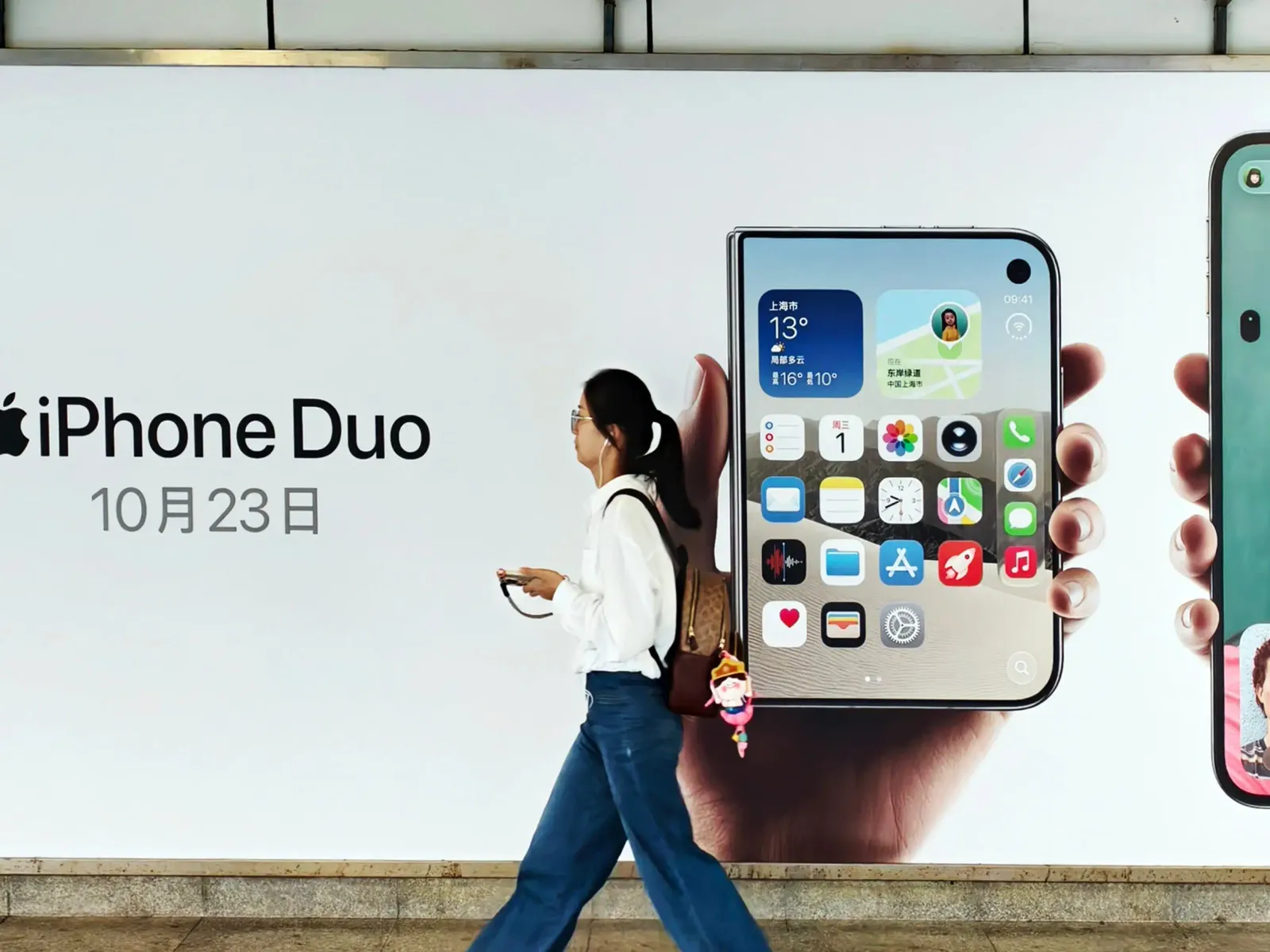
Apple opened preorders for its foldable iPhone Duo on Friday, and new orders are already shipping as late as January 25, 2027. For decision-makers, the backorder signals strong demand but a supply chain that remains a strategic bottleneck, echoing Tim Cook's warning of a 'significantly' larger impact.
Apple's foldable iPhone Duo went on preorder Friday, and if you didn't pounce within hours, you're not getting it this year, or even this quarter. New orders across all carriers, colors, and storage sizes now carry expected shipment dates of January 25, 2027. That's the headline number: a foldable iPhone that costs $1,999 at entry and $3,199 for 2TB, and it's already backordered more than three months out. Early birds who ordered when preorders went live Friday morning will see shipments start as early as October 23, but everyone else is playing catch-up.
The backorder is a direct payoff of the headline: Apple's initial supply was expected to be limited, and demand is clearly outstripping it. Bloomberg previously reported supply chain constraints, and then-CEO Tim Cook flagged the broader problem during Apple's third-quarter earnings call in July. "If you look forward into the current quarter, the September quarter, we continue to expect high levels of demand," Cook said. "However, with less flexibility in the supply chain, we expect the impact from the supply constraints to increase significantly sequentially." That was before the Duo's launch, but the shipping dates suggest the warning is playing out in real time.
For Apple, the Duo is a high-stakes entry into the foldable category, and the pricing puts it squarely in luxury territory. The cheapest version, with 256GB, costs $1,999; the 2TB model runs $3,199. That's a premium over Apple's standard iPhone lineup, and it signals the company is betting that early adopters will pay for the novelty of a folding screen. The extended shipping window also gives Apple cover: when a product is backordered, it's easier to manage expectations around a limited launch, and the scarcity itself can amplify desire.
The supply constraints aren't just an Apple problem. They ripple through the entire component supply chain, from display makers to hinge manufacturers to assemblers. For suppliers, the Duo's backorder is a double-edged sword: it proves demand exists, but it also exposes how fragile the production pipeline is. Cook's comment about "less flexibility in the supply chain" suggests Apple is still working through bottlenecks that could affect other products in its lineup, not just the Duo. If Apple can't get enough hinges or foldable glass, every other premium device in its portfolio could face similar delays.
For consumers and corporate buyers, the practical takeaway is brutal: if you wanted an iPhone Duo as a Christmas gift, you're out of luck unless you find one in a store. The source notes that latecomers can try the "Hunger Games" of lining up outside an Apple store on launch day to snag in-store inventory. That's a real option, but it's a lottery, and it's not a reliable procurement strategy for a business that needs devices on a schedule. For IT leaders planning device refreshes, the January 25 date means budgeting for a first-quarter rollout, not a holiday-season one.
The broader context is that extended shipping times are not unusual for Apple product launches. The company has a history of initial sellouts and waitlists, and the Duo's January 25 date is within that pattern. But the combination of a $1,999 starting price and a three-month wait is a stress test for brand loyalty. It also raises questions about how Apple will manage the next wave of demand once supply catches up, and whether the constraints will push some buyers to competitors' foldables. The fact that Apple is charging a premium while simultaneously telling customers to wait is a bold bet on its ecosystem lock-in.
For executives watching from the sidelines, the Duo's launch is a case study in demand-supply mismatch. The lesson isn't just that Apple can sell a $2,000 phone; it's that supply chain flexibility is a competitive weapon. Cook's own words, "less flexibility in the supply chain," are a reminder that even the world's most valuable company can't manufacture its way out of a bottleneck overnight. The strategic stakes for peers: if you're launching a high-demand product, your shipping dates are a public scoreboard of your operational readiness. Apple's scoreboard says 2027, and that's a signal every supply chain executive should read twice.
This story's Key Insights and Take-aways are locked.
Create a free account to unlock Executive Actions for one credit.
Register to UnlockAlways free for Executives Club members. Join the Club
More in Business

Elon Musk just showcased a flying car - and it wasn't at Tesla
The Tesla CEO's latest reveal came at SpaceX, not Tesla, signaling where vertical mobility is headed.

Apple's $2,000 iPhone Duo opens preorders, taking on Samsung and Google
Apple's first foldable hits the market at a premium price, reshaping a category Samsung and Google have led.

Pope Leo XIV, first American pope, diagnosed with lung cancer
The 71-year-old Chicago-born pontiff underwent successful surgery on his right lung, and his diagnosis raises new questions about his AI-focused papacy and the Vatican's future.