

Apple's MacBook Neo surge collides with IDC's 11.3% PC sales drop
IDC says PC sales could fall 11.3% in 2026, but Apple's Neo demand is so hot it is forcing a forecast reset.
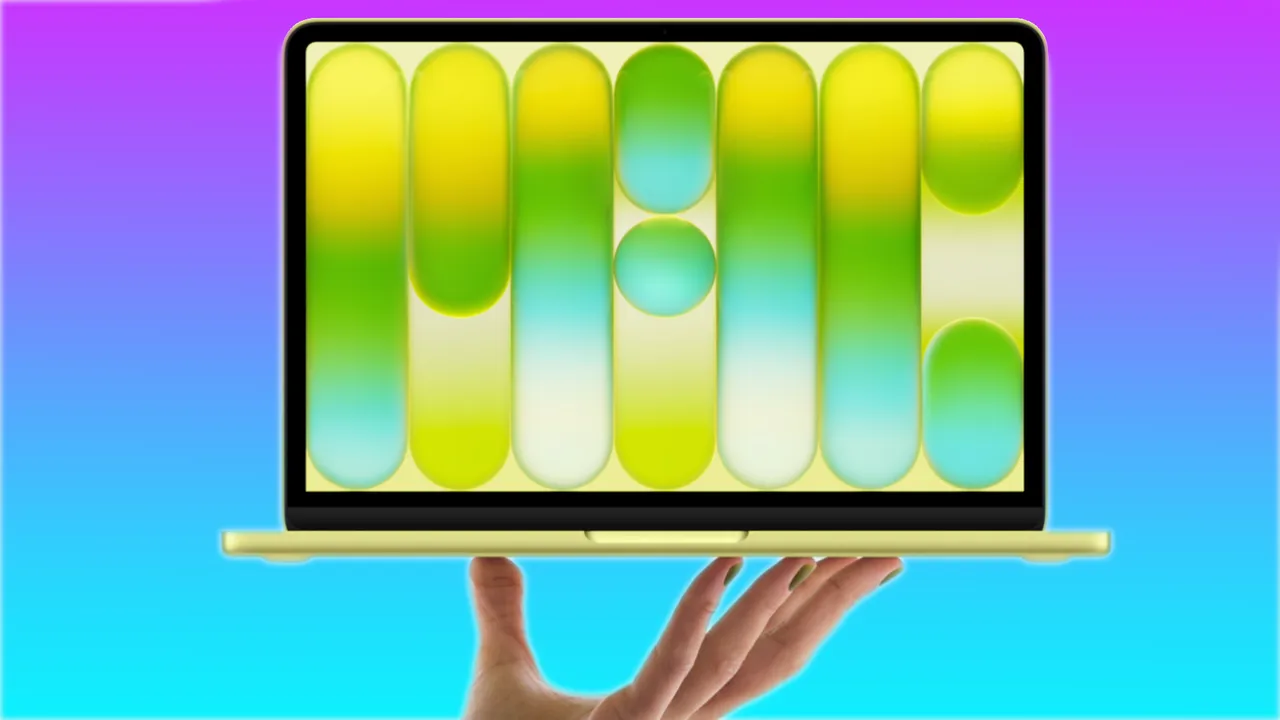
IDC predicts PC sales will drop 11.3% in 2026, even as Apple is reportedly doubling MacBook Neo production to 10 million units. For executives, that means the market is not shrinking evenly, and the winners may be the companies with pricing power, supply leverage, and the right product at the right moment.
IDC is now calling for PC sales to fall 11.3% in 2026, and the part that should make every hardware executive sit up is this: the weakness is not just a one-year wobble. IDC says 2027 is almost as bad, and by 2030 PC sales still will not have fully recovered to 2025 levels. That is a long, ugly hangover for an industry that usually depends on steady refresh cycles, corporate procurement, and consumers buying new machines when the old one gives up the ghost. The reason, IDC says, is a persistent memory shortage with no meaningful relief expected before the end of 2027. When a key component gets scarce, prices rise, product lineups get harder to maintain, and the entire market starts acting less like a normal upgrade cycle and more like a supply-chain stress test.
And yet, while the broader PC market is bracing for a slump, Apple's MacBook Neo is moving in the opposite direction so fast that IDC says it has already forced the firm to revise its notebook forecast upward. That is the weird, important twist here. Apple's budget-priced Neo, which launched just as computers were getting more expensive, appears to be hitting a demand pocket that the rest of the market is missing. According to analyst Ming-Chi Kuo, Apple is increasing its initial target of five million Neo units for 2026 to fully 10 million. Separately, reports say Apple has doubled Neo production because demand is so strong. The Apple's CEO description of customer response as "off the charts" helps explain why. In a market where everyone is complaining about costs, a lower-priced MacBook is not just a product, it is a pressure valve.
IDC's numbers are not coming from a random vibes check. The firm says PC shipments actually grew 3% in the first quarter of 2026 versus the same period in 2025. The problem, IDC argues, is that this strength was borrowed from the future. Buyers, both consumer and commercial, accelerated purchases ahead of anticipated price hikes and product availability constraints. In plain English, a chunk of demand showed up early because people and companies were trying to beat higher prices and tighter supply. That can make a quarter look healthy while quietly robbing the next few quarters of sales. So the good news in early 2026 may actually be the setup for the bad news later in the year. That is why IDC's forecast matters: it is not just saying demand is soft, it is saying demand has been pulled forward and the market is now left to absorb the gap.
The memory shortage is the real villain in this story, and it has second-order effects that reach beyond a single product cycle. IDC says the shortage has no meaningful relief expected before the end of 2027, which means manufacturers are dealing with more than temporary inconvenience. They are facing rising prices and the challenge of keeping full product portfolios available. For a PC maker, that can mean awkward tradeoffs between entry-level, midrange, and premium models, or between protecting margins and protecting share. It also helps explain why Apple's Neo stands out. Apple may be one of the few companies with enough clout to somewhat mitigate the current memory crisis, whether through forward contracts or a bit of arm twisting, as the source puts it. That kind of leverage matters when components are tight and everyone else is fighting over scraps.
That leverage also gives Apple room to keep the base Neo at $599 even as many other computer brands are raising prices. In a market where affordability is becoming a strategic weapon, that price point is doing a lot of work. It does not just make the Neo attractive to first-time Mac buyers or upgrade-conscious customers. It also puts pressure on rival vendors that may have to choose between losing buyers or absorbing more cost. IDC even says the Neo's strength could force the PC industry to respond with a combination of new silicon, a more efficient OS from Microsoft, and aggressive promotional pricing. In other words, one successful laptop can end up nudging the rest of the market into engineering changes, software optimization, and discounting just to stay in the game.
The larger takeaway for executives is that this is not a simple story of PCs tanking and Apple winning. It is a split market where supply constraints are reshaping demand, and pricing discipline is becoming a competitive advantage. If IDC is right, the next few years will reward companies that can secure components, control product mix, and launch the right machine at the right time. It will punish anyone relying on a broad rebound that never quite arrives. For founders, operators, and board members in hardware, the signal is blunt: the market may look cyclical on the surface, but underneath, supply is steering the cycle. And for everyone else buying or budgeting for computers, the practical read is just as clear. The next upgrade may cost more, arrive later, and look very different depending on which company managed to turn a shortage into a sales win.
This story's Key Insights and Take-aways are locked.
Create a free account to unlock Executive Actions for one credit.
Register to UnlockAlways free for Executives Club members. Join the Club
More in Business

Anthropic’s Levant Alpöge cracks the Jacobian conjecture after 87 years
A Harvard valedictorian used Claude to hit a 1939 breakthrough, but the missing “why” is the real problem.

Uber buys Delivery Hero for nearly $15B, vaulting to top food delivery outside China
The deal doubles Uber's dual-services footprint and pushes a ride-and-eats bundling play into 50 more markets.

Epic and Google drop settlement bid, forcing rival Android app stores by July 22
Google told the court it is ready to carry third-party app stores starting Wednesday, July 22.