
Apple's new CEO is an engineer, and Tim Cook's exit memo quotes Steve Jobs
John Ternus takes the top job at Apple, the first engineer in the seat since Jobs, as Cook signs off with a nod to the founder.
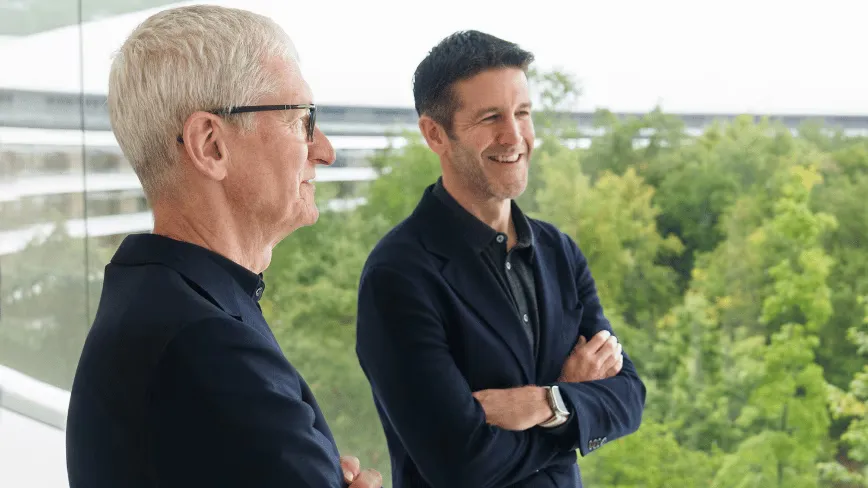
John Ternus became Apple's CEO on Tuesday, the eighth person to hold the role in the company's 50 years and the first engineer since Steve Jobs. Tim Cook spent his final day writing to staff, signing off with a quote from Jobs, marking a leadership transition that will shape Apple's next era.
John Ternus became chief executive of Apple on Tuesday, the eighth person to hold the job in the company's 50 years and the first engineer in the seat since Steve Jobs. Tim Cook spent his last day writing to staff, and the memo he signed off on quoted Steve Jobs, a fitting handoff for a company that has always measured itself against its founder. The transition is a quiet but consequential moment: Apple is handing the keys to a hardware veteran, not a salesperson or a supply-chain operator, and that choice signals where the company believes its future lies.
Ternus is not a household name the way Cook was, but inside Apple he has been a central figure for years. He has led hardware engineering, the division responsible for the iPhone, Mac, and the custom silicon that has become a competitive moat. His promotion to the top job means Apple is doubling down on the belief that product engineering, not just operational scale, will define its next decade. Cook, who took over after Jobs's death in 2011, built Apple into a services and wearables powerhouse and pushed its market value past $3 trillion. His exit memo, obtained by Chance Miller for 9to5Mac and reported by Mark Gurman, was a reminder that even in transition, Apple's mythology remains tightly bound to Jobs.
The choice of an engineer as CEO is a deliberate break from the recent past. Cook was a master of operations, the person who turned Apple's supply chain into a competitive weapon and made the company run like a machine. Ternus represents a different bet: that the next phase of growth will come from breakthroughs in hardware, from the chips Apple designs in-house to the devices that have not been announced yet. For competitors, that is a warning. Apple's ability to integrate hardware, software, and silicon is already hard to match, and putting an engineer in charge suggests that integration will only get tighter.
For investors, the transition raises a familiar question: can Apple keep growing without Cook at the helm? Cook's tenure was defined by consistency, discipline, and an almost unprecedented run of shareholder returns. Ternus inherits a company that is still enormously profitable, but it faces real pressure. Regulators on both sides of the Atlantic are circling Apple's App Store policies, and the company's services growth has been a key part of its valuation. A hardware-focused CEO may be exactly what Apple needs to defend its core products, but it also means the company's future is more dependent on the next big device being a hit.
The timing of the transition matters too. Apple is entering a period where the next wave of computing, from spatial computing to AI-enabled devices, is still being defined. Ternus has been deeply involved in the hardware that will carry Apple into that wave, including the Vision Pro and the continued evolution of the iPhone. His promotion is a signal that Apple intends to lead with products, not just platforms. That is a different strategy from the one Cook pursued, and it carries different risks. A product-led strategy can produce spectacular wins, but it also leaves less room for error.
For other companies watching this transition, the lesson is not about Apple specifically. It is about what happens when a founder's shadow looms over a company for decades. Cook spent his entire tenure being compared to Jobs, and he answered by building a company that was more valuable than the one Jobs left behind. Ternus now faces the same comparison, but from a different angle: he is the first engineer in the job since Jobs, which means he will be measured not just against Cook's results, but against the founder's legacy of invention. That is a heavy weight, and it will shape every decision he makes.
The memo Cook left behind, quoting Jobs, is a reminder that Apple's identity is still built on the idea that the people who make the products matter most. Jobs was the ultimate product person, and Ternus is the closest thing Apple has had to that since. The question now is whether he can do what Jobs did: turn engineering vision into products that define entire categories. If he can, Apple's next 50 years will look very different from its last. If he cannot, the company will still be huge, but it will have lost the thing that made it Apple.
For executives in any industry, the takeaway is straightforward. Leadership transitions are not just about who takes the title. They are about what the choice of that person says about the company's strategy, its culture, and its bet on the future. Apple just made its bet, and it is a bet on engineering. The rest of the market will be watching to see if it pays off.
This story's Key Insights and Take-aways are locked.
Create a free account to unlock Executive Actions for one credit.
Register to UnlockAlways free for Executives Club members. Join the Club
More in Business
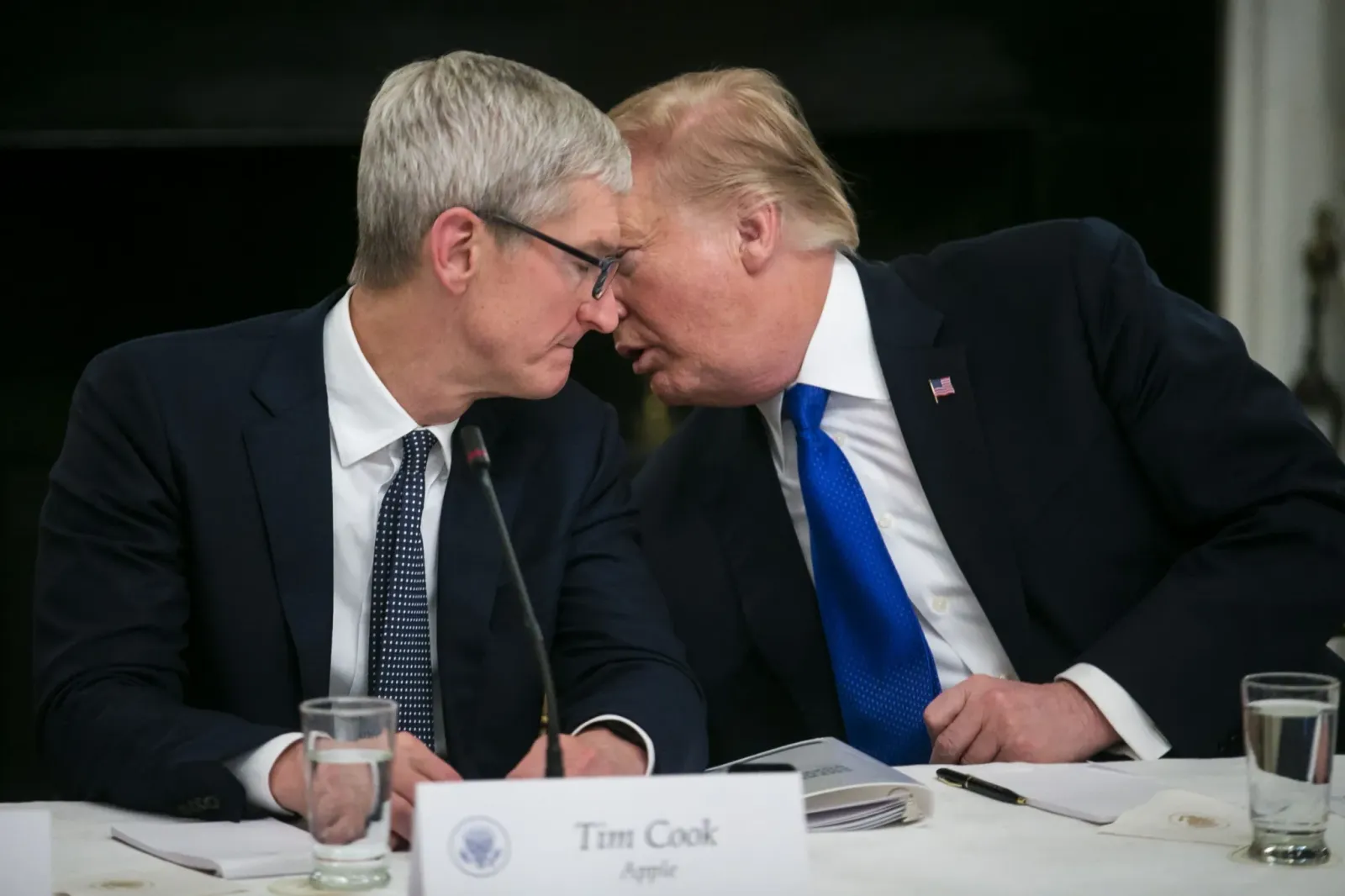
Tim Cook steps down as Apple CEO, stays on as chair with $45M equity
The 'Trump whisperer' keeps his White House and Beijing access as Apple navigates tariffs and a $4.6 trillion market cap.

Snowflake shares surge as AI data demand crushes estimates, lifting full-year forecast
Stocks jumped on stronger-than-expected guidance, signaling enterprise AI workloads are accelerating faster than Wall Street priced in.
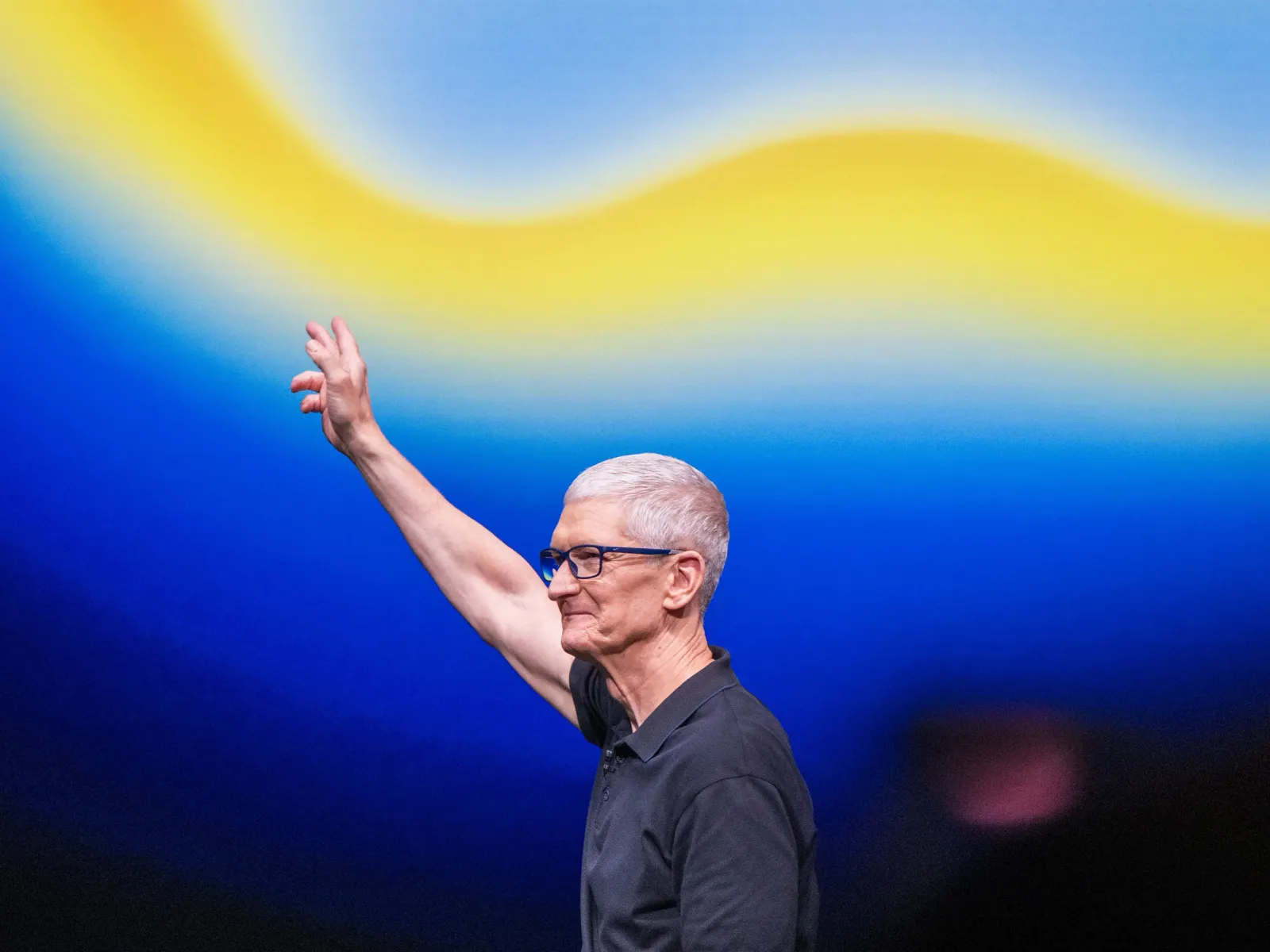
Tim Cook's 15-year Apple CEO run ends: 3 lessons for any successor
After 15 years, Tim Cook hands Apple to John Ternus - here's how he turned a $350B company into a $4.6T juggernaut.