
Apple’s Siri AI demo returns after 2024 delays, and analysts say it could drive hardware sales
At WWDC 2026, Apple overhauled Siri with Apple Intelligence models tied to Google, plus new AI features and child safety updates.
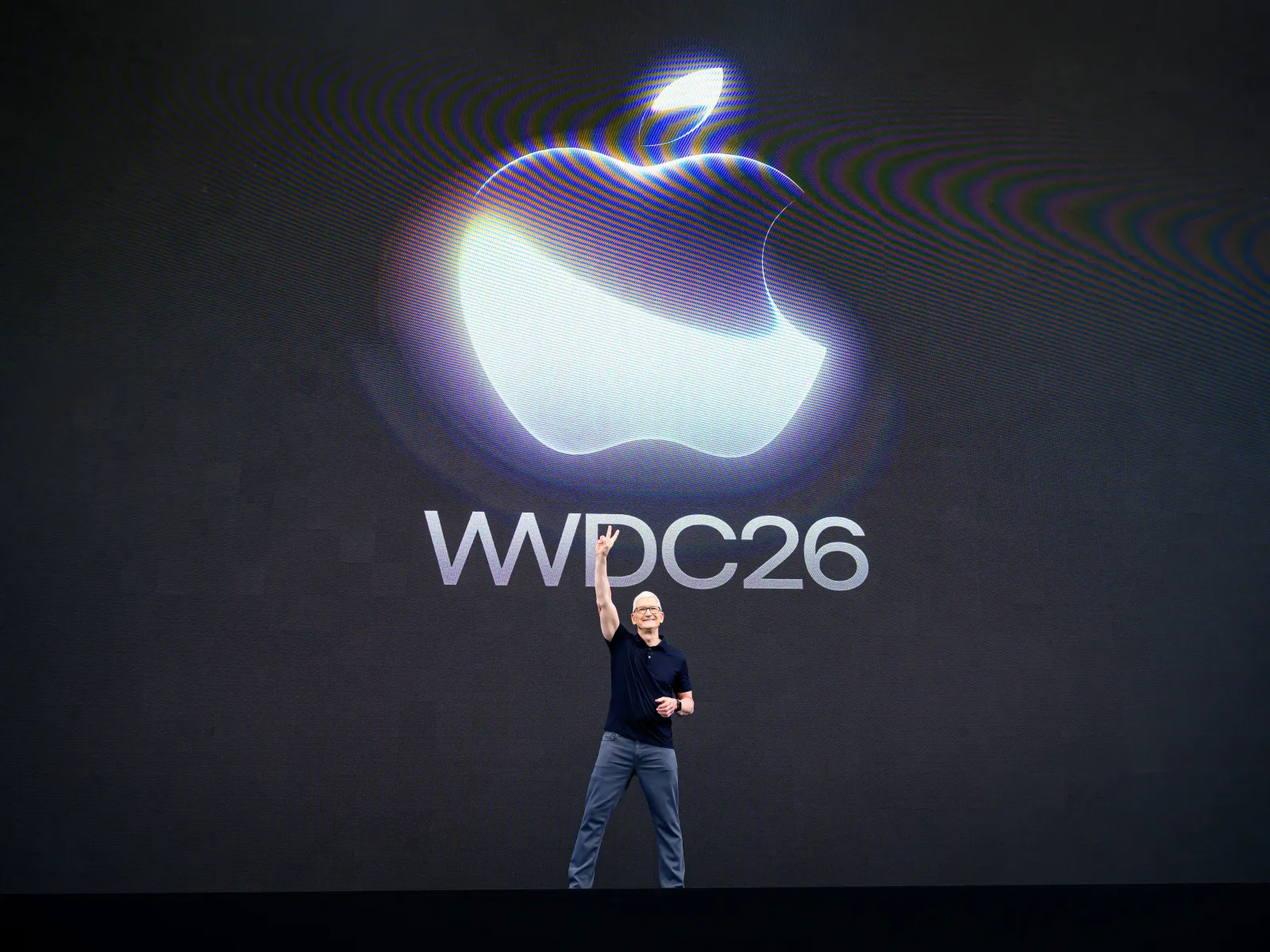
Apple used WWDC 2026 to unveil a Siri AI overhaul and new AI features across its ecosystem, using a new generation of Apple Intelligence models developed in partnership with Google. Analysts now say the real test is delivery, because the company spent two years facing criticism and a class action lawsuit over promised Apple Intelligence capabilities that were delayed or failed to arrive.
Apple’s WWDC 2026 rollout centered on a single, extremely expensive question: will Siri AI finally match what Apple showed two years ago? At the Monday event, the iPhone maker unveiled “Siri AI,” described as a long-awaited overhaul of its voice assistant, powered by a new generation of Apple Intelligence models developed in partnership with Google. Apple also announced a slate of new AI features across its ecosystem, along with an extended introduction of child safety tools.
That timing matters because Apple has already been burned publicly. The company spent the past two years facing criticism and a class action lawsuit after many Apple Intelligence capabilities it previewed in 2024 were delayed or failed to arrive as initially promised. And that is exactly why analysts in the source treat this demo like more than a product launch. Gene Munster, an Apple analyst and managing partner at Deepwater Asset Management, basically gave the verdict in advance: Monday’s moves would be successful “if it could deliver everything it showed in the demo.” Munster also warned, “it’s still a demo” and that Apple “overpromised with demos two years ago,” but he argued that if Apple delivers what it showed today, it could “drive hardware sales.”
So let’s translate what these announcements are trying to do, and why it’s strategically different from the “we built a chatbot” era. Several of the smartest voices quoted in the source frame Apple’s approach as an attempt to turn Siri into a more central control layer for everyday life. Ben Bajarin, CEO and principal analyst at Creative Strategies, said Apple seems to be “turning Siri into a central hub for a one-stop AI experience rather than a collection of separate tools.” In his view, Apple is pushing personal context, screen awareness, app actions, writing, search, and visual intelligence through one assistant layer, which he described as “a different product experience.”
That matters because “assistant” is where usage becomes sticky. If Siri becomes the place where tasks route through one interface, then Apple is not just competing on model quality. It’s competing on workflow. And workflow control is especially valuable for a company whose ecosystem includes devices, OS-level features, and app distribution. Alex Heath, a tech journalist, connected Apple’s strategy to the big AI players by arguing Apple is aiming for a “super personalized, all-knowing/present assistant.” Heath added that Apple’s demo of Siri understanding what is on an iPhone screen and providing contextual responses is the “huge unlock if it works as shown.” He also pointed out an advantage Apple has historically leaned on: “platform control” that helps do things that “folks at the app layer can’t.”
Meanwhile, the other big debate in consumer AI is where the compute happens. Christina Warren, a developer relations executive at GitHub, framed Apple’s approach as a practical acceptance that smartphones are not yet powerful enough to run the most advanced AI models entirely on-device. Her read was that Apple is “going to punt the ‘on-device’ story for Apple Intelligence and push towards the ‘private cloud compute’ story for the models that you’ll actually want to use.” She said she is “glad on-device isn’t going away,” but insisted “a hybrid approach is absolutely necessary,” adding that “that day isn’t today” for truly good-enough on-device processing.
This is where the stakes get real for executives, investors, and anyone evaluating AI strategy as more than a headline. On paper, Apple Intelligence is not just about capability. It is about reliability across contexts and devices, because the moment an assistant becomes your default, failures stop being “experimental” and start being “why didn’t it work.” Joanna Stern, chief tech analyst at NBC, captured the mood around one of Apple’s non-negotiables: she said she used to be an “Apple Shortcuts hater,” but the AI updates might change her mind. Her emphasis was also telling. Stern said parents “need the controls to actually work,” and she hoped for “major under-the-hood improvements” focused on “syncing, reliability and consistency across devices” with the child safety updates.
Apple also seems to be treating safety and ecosystem lock-in as part of the same product package. Ernest Wong, head of research at Baskin Wealth Management, called the lengthy introduction of new child safety features a “perfect example” of “strategy credit,” where an uncomplicated decision can improve Apple’s image relative to competitors. Wong argued it brings kids and teens “into their ecosystem” while “handicapping competitors (social media apps).” On the consumer side, Max Weinbach, a consumer technology analyst at Creative Strategies, offered a harsher take on competition. He said an upgraded Siri and AI features could be “bad news for AI companies looking to build consumer products,” reasoning that if Apple can provide them for free with new Apple devices, consumers may not need standalone AI apps. Weinbach even framed Siri AI as “basically what most consumers use ChatGPT and Gemini for,” concluding with “RIP consumer ambitions for AI companies.”
Finally, the money question behind all of this is monetization and timing. Dan Ives at Wedbush Securities described Apple as finally delivering what it promised two years ago with a “robust AI strategy and the announcement of Siri AI.” He called the event “impressive” and said Cook and Apple “finally unveiled an AI strategy that will unleash the true monetization opportunity for AI in the Cupertino consumer ecosystem after a few years of promise.” Whether you agree with the thesis or not, the direction of travel is clear: Apple is betting that an assistant as a control plane, paired with distribution and device integration, can turn AI into something Apple sells through its installed base.
And that brings us back to the central “if.” Munster’s line is the one to watch because it doubles as the risk: demos can look spectacular, but Apple’s credibility has been under pressure since 2024. Delivering on-screen context, conversational memory elements, and consistent safety controls is the difference between “cool” and “default.” If Apple pulls that off, analysts in the source think it can translate into tangible demand. If it doesn’t, the lawsuit and criticism Apple already absorbed will be the backdrop to every future AI announcement, not just a historical footnote.
This story's Key Insights and Take-aways are locked.
Create a free account to unlock Executive Actions for one credit.
Register to UnlockAlways free for Executives Club members. Join the Club
More in Technology

OpenAI says 10,000 agents cracked a 90-year math problem in 88 hours
The company's claim is audacious, but one mathematician is pushing back. Here's what it means for AI-driven discovery.
Meta still serves child sexual abuse ads on Instagram in India - BBC report
A new report following the BBC Eye investigation says the ads are still there - what it signals for every platform with a self-serve ad engine.
White House yanks 'Build the Wall' game after Tetris Company copyright warning
The administration's arcade game vanished in hours - and the takedown playbook every brand can learn from.