

Apple’s WWDC Monday is Siri’s second chance to feel smarter, not just sound smarter
If Apple uses this keynote to make Siri more context-aware, it changes the AI standard users expect on iPhone.
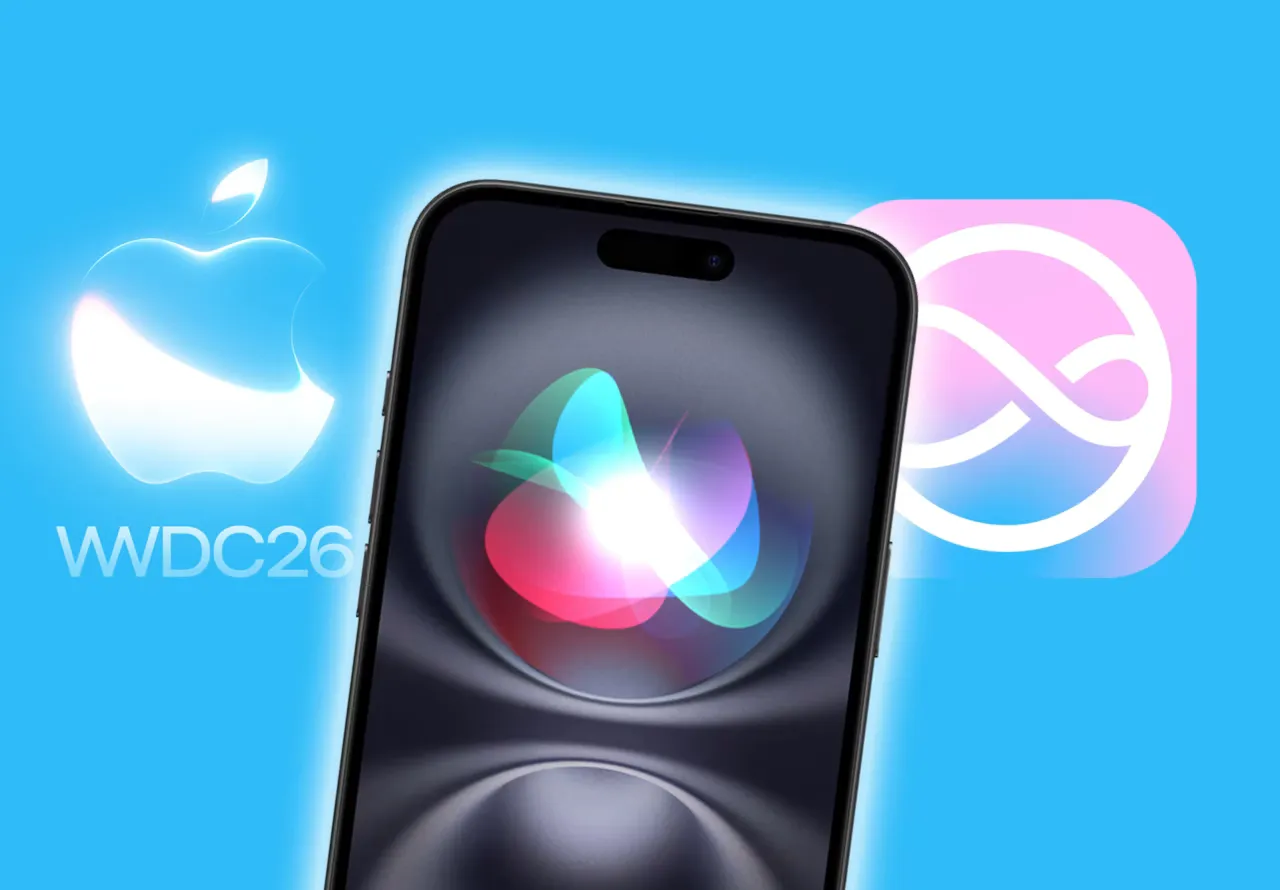
Apple is set to deliver its Monday WWDC keynote focused on proving it can make Siri smarter and more contextually aware. For decision-makers, the key question is whether Apple can translate its fledgling AI strategy into user-visible improvements fast enough to satisfy expectations.
Apple’s WWDC Monday keynote is not just another product moment. It is a second chance for Apple to convince users that Siri can become meaningfully smarter, and more contextually aware, in day-to-day life. The promise matters because Siri is one of the most visible entry points into Apple’s wider AI ambitions. If Siri improvements feel incremental instead of experiential, it signals that Apple’s “fledgling AI strategy” still has a gap between research and real-world usefulness.
So what exactly is Apple trying to fix on Monday? The core objective, as framed by the event itself, is to show users that Apple can make Siri smarter and more contextually aware. In practice, “contextually aware” is the difference between a voice assistant that answers the prompt it heard and an assistant that understands the situation you are in: what you just did, what you are trying to do next, and how to help without making you repeat everything. This is the user-facing scoreboard Apple needs to win, because Siri is already embedded across the Apple ecosystem. If Apple can move that needle, it makes its AI strategy feel less experimental and more inevitable.
That “make-or-break” framing exists for a reason. Apple, historically, does not rely on flashy AI theater. It relies on products that feel cohesive, dependable, and easy to use. But AI is an area where users have rapidly rising expectations, largely shaped by what other players have demonstrated in consumer experiences. When competitors race ahead, even small delays become noticeable. A keynote is one of the only times Apple can reset perception quickly, directly in front of users and the media cycle that shapes what people expect from the next iPhone or the next iOS update.
There is also a regulatory backdrop that turns AI from a tech story into a policy story. Voice assistants and AI features intersect with data handling, privacy expectations, and how models behave in sensitive contexts. Even when the technical improvements are compelling, companies must still navigate regulators' scrutiny of how user data is used and how AI systems make decisions or recommendations. For Apple, which competes on trust as much as on performance, showing “smarter” and “more contextually aware” without triggering fresh privacy anxiety is part of the challenge. Monday’s message will therefore land not only in the minds of consumers, but in the way enterprise buyers, developers, and policymakers interpret Apple’s approach.
Then there is the second-order implication for the boardroom. Apple’s AI push is described as “fledgling,” and that word is a quiet warning signal. When a company is still early, leadership often has limited tolerance for “almost there” demos. The stakes are heightened because AI capabilities are becoming a core buying criterion for premium devices, not a niche feature. If Apple cannot demonstrate progress that users feel, the risk is reputational: people can start to treat Siri as a legacy feature while other assistants become the default for new tasks. That affects ecosystem momentum, partner sentiment, and the internal urgency developers feel when building AI-adjacent apps.
Apple also faces an adoption reality: even if the underlying model quality improves, the assistant has to be better at interaction, not just intelligence. “Contextual awareness” implies better conversational flow, fewer clarifying questions, and a more helpful response that aligns with what the user is doing right now. If Monday’s keynote delivers on this, Apple can reinforce a feedback loop. Users use Siri more because it helps more. Increased usage generates more signals to refine the experience. Better experience then drives more usage. If Monday does not show that kind of experiential change, the loop stays weak.
For executives across tech and consumer devices, the strategic message is clear. Apple gets a second chance to show that its AI strategy is producing tangible outcomes inside the products people already carry every day. If Apple manages to make Siri feel smarter and more contextually aware on Monday, it becomes a benchmark for how quickly a large platform can translate AI ambition into user-visible utility. If it falls short, it signals that even the most capable product ecosystem can struggle to bridge the gap between model progress and real-world assistant behavior. Either way, Monday’s keynote is a stress test for Apple’s AI credibility and for everyone else watching how quickly the bar for “helpful” keeps rising.
This story's Key Insights and Take-aways are locked.
Create a free account to unlock Executive Actions for one credit.
Register to UnlockAlways free for Executives Club members. Join the Club
More in Business

Anthropic’s Levant Alpöge cracks the Jacobian conjecture after 87 years
A Harvard valedictorian used Claude to hit a 1939 breakthrough, but the missing “why” is the real problem.

Uber buys Delivery Hero for nearly $15B, vaulting to top food delivery outside China
The deal doubles Uber's dual-services footprint and pushes a ride-and-eats bundling play into 50 more markets.

Epic and Google drop settlement bid, forcing rival Android app stores by July 22
Google told the court it is ready to carry third-party app stores starting Wednesday, July 22.