

Apple TV’s Widow’s Bay makes comedic horror bingeable by weaponizing classic tropes
Tom Loftis tries to turn Widow's Bay into a resort, then a mysterious fog starts “waking up” the island.
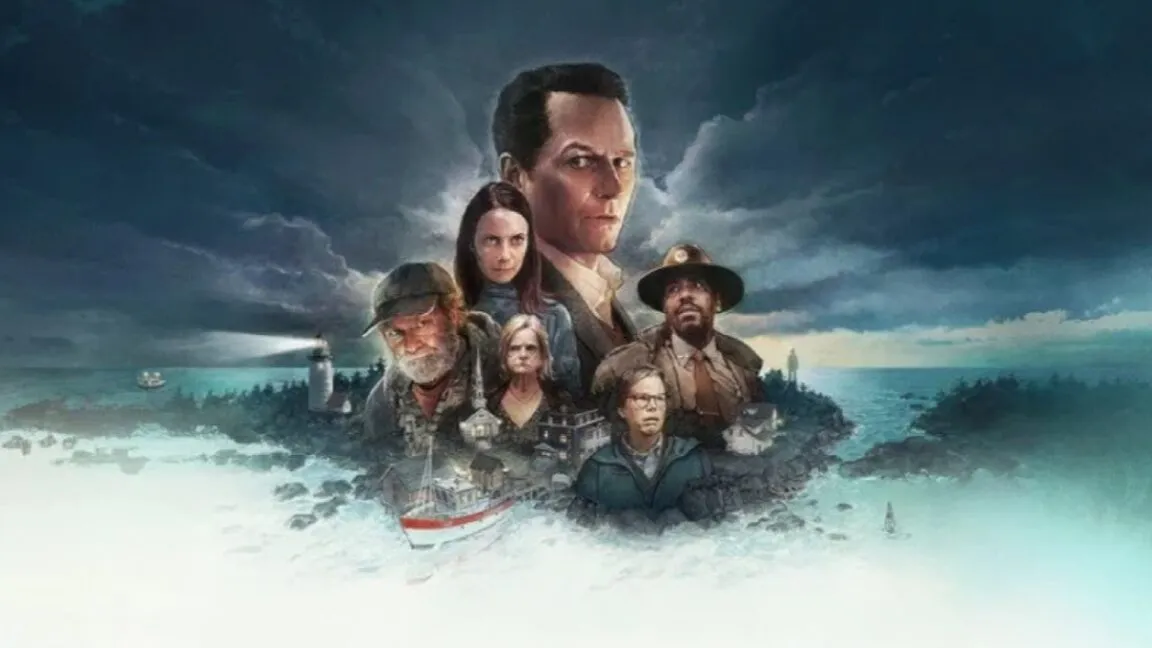
Apple TV’s new comedic horror series Widow’s Bay stars Matthew Rhys as Tom Loftis, the town’s widower mayor, alongside Bashir Salahuddin as travel writer Arthur Lloyd and Stephen Root as Wyck. The show delivers a highly bingeable remix of classic horror tropes, using eerie setup and comedic momentum to reinvent what the genre can feel like.
Widow's Bay, the new comedic horror series from Apple TV, is less a “watch when you have time” show and more a “one more episode” engine. Ars Technica calls it “delightfully eccentric” and says it is “easily one of the best new series of the year,” and that optimism is not just hype talk. The series is designed for binge behavior, honoring classic horror tropes while reinventing them in surprising ways, so each episode feels like it pays homage and then breaks the rules just enough to keep you leaning forward.
At the center is Tom Loftis (Matthew Rhys), a widower and mayor of Widow's Bay, a quirky seaside town with a history of periodic tragedies. Tom wants to elevate the town into a trendy summer tourist destination, but his plans collide with the arrival of New York Times travel writer Arthur Lloyd (Bashir Salahuddin). Arthur has the clout to make Tom's aspirations come true, and the second the influence arrives, a mysterious fog begins. Local resident Wyck (Stephen Root) warns Tom that the fog is an omen, that the island is “waking up,” and that more supernatural occurrences are bound to happen. That’s the series promise in one clear chain: civic ambition meets media clout, then the supernatural hits the schedule.
Now, why does any of this matter beyond “this show is fun”? Because Widow's Bay is a masterclass in incentives, and TV executives are allergic to missing patterns like that. Tom’s motivation is straightforward and human: boost tourism, modernize the town’s image, and probably make sure the tragedy streak doesn’t define his legacy. Arthur’s motivation is also familiar: he’s a New York Times travel writer, the kind of credential that can turn a “local oddity” into a destination overnight. When those incentives collide with a horror mechanism, you get narrative energy that does not feel random. It feels like the town’s internal story and the genre’s external pressures are tugging in opposite directions, which is exactly where comedy and dread tend to harmonize.
The show’s “classic horror tropes, reinvented” approach is part craft, part brand strategy. Horror tropes are effectively reusable components: the ominous sign, the insistent warning, the town with secrets, the atmosphere that tightens around everyone. Widow's Bay keeps those components recognizable, which makes the series instantly legible, even if you have never seen this exact version before. Then it changes the emotional tempo. Ars describes it as “Think Stephen King meets Parks and Recreation, with a dash of Twin Peaks,” but also emphasizes that Widow's Bay is “very much its own refreshingly original beast.” Translation for decision-makers: the show is building familiarity on purpose, then differentiating enough to avoid feeling like a tribute band.
There is also a meta-level implication for anyone funding or operating media: comedy can be a delivery system for horror, and vice versa. The series does not treat the two modes as enemies. Instead, it uses one to amplify the other. Tom’s civic optimism and tourism pitch create an everyday baseline, and then the fog interrupts that baseline with supernatural inevitability. That structure can be powerful because it lets the audience process scares through laughs, while laughs borrow tension to land harder. In board terms, it is a retention tactic masquerading as storytelling: you get a reason to keep watching beyond simple suspense.
And while the Ars review notes that “some spoilers below” appear, it is careful to say there are no major reveals. That matters because it signals pacing and respect for the viewer experience. A bingeable series needs frictionless engagement, but it also needs trust. If you start feeding big reveals too early, the binge can collapse into exhaustion. Here, the review points to a tight setup loop: introduce the town, introduce the characters and their goals, introduce the fog as an omen, then let the tension keep accumulating. The audience is kept in motion, not information dumps.
Second-order, there is a more practical strategic stake for peers in the industry: Apple TV’s bet here is on genre mixing as a product, not just as a novelty. When a show positions itself as both homage and reinvention, it can attract viewers who already like horror while expanding the audience with comedy and small-town weirdness. For producers and distributors, that’s an operational sweet spot: broader top-of-funnel appeal without abandoning genre identity. For executives, it also raises the bar. If Widow's Bay works the way Ars describes, it becomes a reference point for what “binge-able” must actually mean now: it has to be emotionally elastic, instantly familiar, and consistently surprising.
This story's Key Insights and Take-aways are locked.
Create a free account to unlock Executive Actions for one credit.
Register to UnlockAlways free for Executives Club members. Join the Club
More in Technology

Nvidia's $89B data center quarter: the 9 companies cashing in
The AI buildout is minting fortunes beyond GPUs, and memory, cloud, and cooling suppliers are riding the same wave.

Google quietly links your phone number to every Android account on your SIM
Adding a SIM now ties your phone number to all Google accounts - and future accounts inherit it. Here's the security and privacy stakes.

Hijacker AI 'Skynet mode' runs 100,000 attack steps against exposed models
Symantec caught a criminal AI agent that borrows other models, steals data, and mines crypto; the only relief is no confirmed victims yet.