

Apple uses WWDC Screen Time airtime, but adds little beyond a redesigned interface
Ask to Browse arrives, yet most Screen Time “new” features already existed or were upgrades.
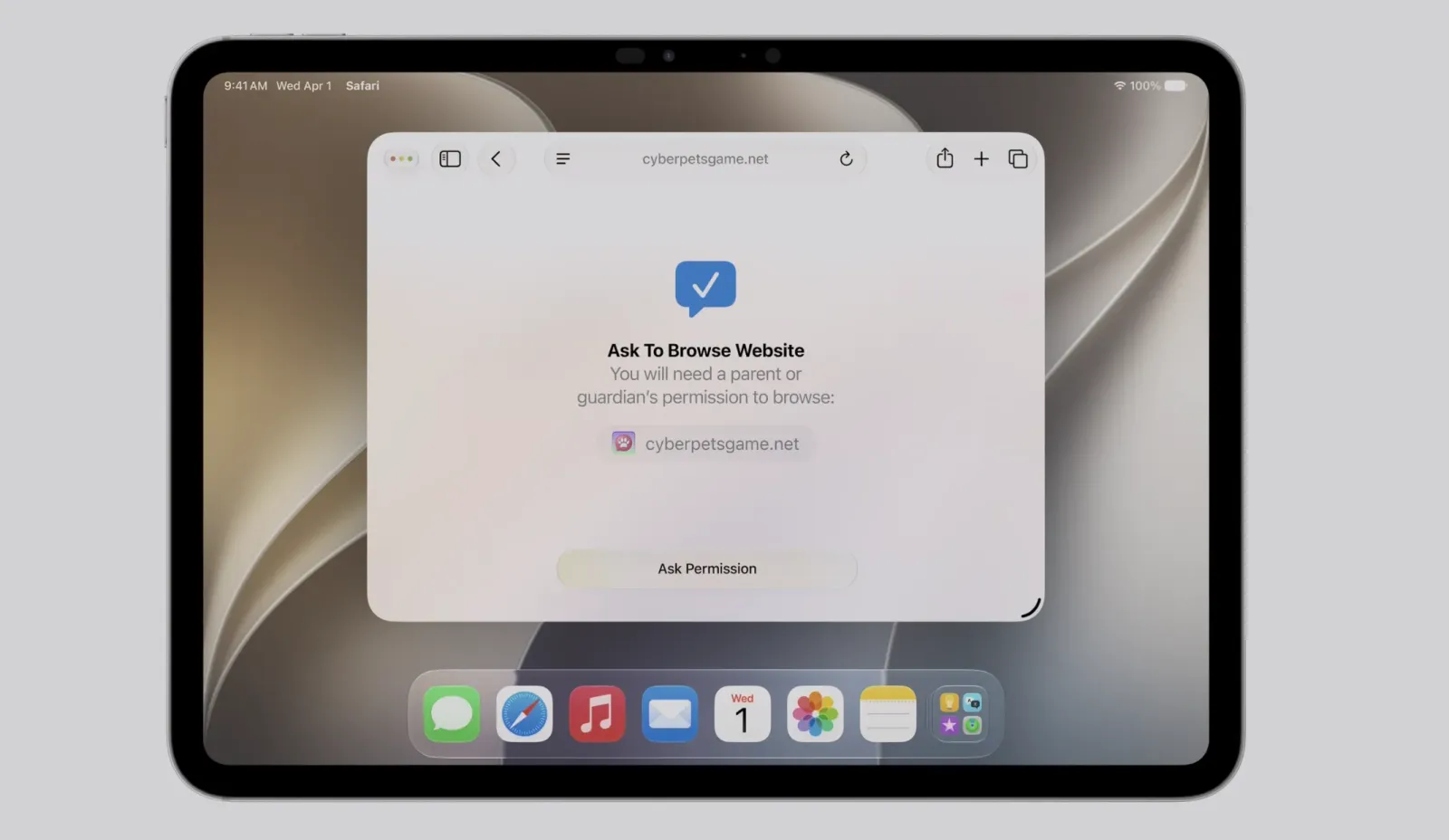
Apple spent a big chunk of its WWDC keynote on parental controls, unveiling Screen Time updates including Ask to Browse and a redesigned interface. For decision-makers, the trade is reputational optics over substantive change, right as regulators and the public scrutinize tech’s child safety claims.
Apple spent a big chunk of its WWDC keynote on parental controls, including a Screen Time update that adds a feature called Ask to Browse. The surprise is not that Apple touched the topic. It is that, despite all the airtime, it did not announce much truly new beyond a redesigned interface.
That mismatch matters because almost all of what Apple touted either already exists or is framed as an upgrade to current options. In other words, the headline act is political and reputational, not product transformation. Apple’s new branding around Screen Time is meant to read like progress to parents and policymakers. But if you already have Screen Time on your devices, the experience largely shifts in presentation more than in power.
To understand why Apple chose to do this, you do not need an internal leak. The source points to the “recent landmark social media trials against Meta and Google” and the protesters outside Apple’s Cupertino HQ. Those events shape how big tech is evaluated right now. Platforms are being dragged into courtrooms and streets over the same core questions: what their services do to minors, what safeguards exist, and how credible those safeguards are.
That creates a specific incentive for Apple. Unlike a pure social network, Apple sits in the operating system layer. Screen Time is a lever inside a trusted product ecosystem, which makes it politically and emotionally potent. When the public pressure rises and regulators are watching, a developer story that shows “we are responsible” can be as valuable as a technical story that delivers new control capabilities. Apple’s WWDC moment is basically a high-visibility attempt to signal alignment with parental safety expectations.
But signal and substance are not the same thing. The source is blunt: Screen Time “sucks,” and the author frames Apple’s effort as not really matching the problem. The key point for executives is not whether you agree with that sentiment. The key is that stakeholders, including parents and observers already primed by trials and protests, will test whether the announced changes actually change outcomes.
So what is changing, concretely? Ask to Browse is presented as one of the new Screen Time features. The interface is redesigned. And much of the rest is described as existing functionality, or upgrades to current options. That is not nothing. A redesigned interface can improve usability, and a new feature can expand what parents can control. However, when a company allocates “a big chunk” of keynote time, audiences expect more than interface polish and incremental capability. They expect proof.
This is where the second-order implications start for the broader industry. When Apple spends premium keynote real estate on a specific theme, it implicitly sets a standard for what competitors will be asked to match. Other platform makers, browser and app ecosystems, and any company building child-facing experiences will face sharper comparisons. Boards do not just evaluate product roadmap quality. They also evaluate whether the company is positioned correctly for oversight, legal risk, and reputational scrutiny.
In practice, that means executives should think about Screen Time as part of an ecosystem narrative, not as a single feature drop. Apple is trying to show it is being responsible when it comes to children. But because “almost all the features touted already exist,” critics can argue that the company is optimizing for optics rather than measurable progress.
For decision-makers, the stake is immediate and cross-functional. Product teams hear one message: align announcements with what the market expects. Legal and government affairs hear another: ensure the claims you imply in public hold up under scrutiny. Marketing hears yet another: avoid a credibility gap between what you show on stage and what users actually experience at home.
The lesson peers should take from Apple’s WWDC approach is less about whether Ask to Browse is good and more about the risk of mismatch. When public pressure is intense, executives will be judged not only on what they build, but on how thoroughly they connect announcements to new capabilities. Apple chose a “too little, too late” arc, at least according to the source. If other companies are planning similar announcements, the strategic question is the same: can you deliver substantive change alongside the signaling, or will the industry treat the runway time as evidence that you are still behind?
This story's Key Insights and Take-aways are locked.
Create a free account to unlock Executive Actions for one credit.
Register to UnlockAlways free for Executives Club members. Join the Club
More in Technology

OpenAI says 10,000 agents cracked a 90-year math problem in 88 hours
The company's claim is audacious, but one mathematician is pushing back. Here's what it means for AI-driven discovery.

Meta still serves child sexual abuse ads on Instagram in India - BBC report
A new report following the BBC Eye investigation says the ads are still there - what it signals for every platform with a self-serve ad engine.

White House yanks 'Build the Wall' game after Tetris Company copyright warning
The administration's arcade game vanished in hours - and the takedown playbook every brand can learn from.