

Ariana Grande will step back from visibility after world tour ends next month
The pop star says she’ll “step back from visibility” at tour’s end, reshaping what scrutiny means for brands and platforms.

US singer Ariana Grande, 33, will “step back from visibility” at the end of her world tour next month, according to her representative. For decision-makers, it is a reminder that audience attention is a managed resource, and public scrutiny can force schedule and strategy changes.
Ariana Grande, 33, is planning to step back from visibility at the end of her world tour next month, her representative says. In plain terms: the singer is hitting pause on being constantly “on,” even though she is one of the most visible entertainers in the world.
That matters more than it sounds, because “public life” is now a business operating system. When a top-tier celebrity reduces exposure, it ripples outward: media cycles slow down, brand partnerships rethink timing, and platforms adjust what they amplify because the supply of attention is temporarily changing. Grande’s move is framed as a response to “endless” scrutiny, but the practical consequence is immediate, the next wave of coverage, campaigns, and engagement is no longer guaranteed to flow on her usual schedule.
There is also a strategic tension hidden inside the word “scrutiny.” For artists, scrutiny is not just criticism. It is the constant inspection that turns ordinary actions into headlines, and personal boundaries into public debates. In business terms, it is reputational volatility. Companies that want to stay aligned with their audiences have to manage how quickly a narrative can shift. Grande is making a boundary decision, and when a boundary is enforced by absence, it forces everyone else in the ecosystem to recalibrate.
The timing is key. Her representative says she will “step back from visibility” at the end of her world tour next month, which suggests the break is not random or indefinite in the public story. It is tied to an operational milestone: the tour ending. Tours are high-capacity attention engines. They concentrate spotlight into a predictable calendar. By stepping back right after the tour, the message to audiences and the market is: the show ends, and the constant presence ends with it.
For brand managers and media buyers, that shifts risk models. Many campaigns are built around a steady stream of social and press appearances. If a major talent pauses, it can change projected reach and timing, especially when campaigns depend on “momentum,” the kind of organic chatter that comes from being in the news. This is why executives in marketing and communications watch celebrity behavior with almost operational intensity. It is not fandom trivia. It is demand forecasting for attention.
There is also a regulatory and policy layer, even when the story is not about law. The entertainment world has become entangled with oversight around online platforms, harassment, and misinformation, and scrutiny is often amplified on digital channels. While this specific BBC report does not cite regulatory action tied to Grande, the broader environment is that public scrutiny can be intensified by the mechanics of social media distribution. When someone decides to reduce visibility, they are effectively changing their participation in those feedback loops.
Boards and executives overseeing public figures, talent agencies, or adjacent brands typically think about “reputation” as something you manage in headlines, statements, and partnerships. Grande’s decision highlights another reality: reputation management is also about managing access. If the talent steps back, the organization has fewer opportunities to steer narratives through direct appearances, interviews, and controlled messaging. That can be stressful for teams, because it reduces their tools. But it can also reduce exposure to unpredictable escalation.
Second-order effects go beyond her. If a major global star adjusts her public cadence, it can influence how other entertainers, creators, and executives think about sustainability. Fame is often treated as an infinite resource, but “endless” scrutiny implies an infinite toll. When someone at this scale signals a boundary, it gives the industry a visible template for what stepping back can look like, even if each person’s situation is different.
Strategically, the stakes for executives are simple: attention and scrutiny are not the same thing, but they travel together. Grande is choosing to step back after a major operational phase, and that is a signal that even top-tier performers can make agency decisions when the spotlight becomes too constant. For companies and leaders building around public perception, the lesson is not to panic. It is to plan. If supply of attention changes, the ecosystem has to adapt quickly, with contingency planning for timing, messaging, and partner expectations.
In the end, Grande’s representative says she will “step back from visibility” at the end of her world tour next month. That is the headline. The real story is what it forces everyone else to confront: in modern entertainment, visibility is not just exposure, it is operational continuity, market timing, and the pace of public narrative itself.
This story's Key Insights and Take-aways are locked.
Create a free account to unlock Executive Actions for one credit.
Register to UnlockAlways free for Executives Club members. Join the Club
More in Entertainment

'It's a Magic Trick': Ballet Experts Say Rosalía's SNL Pose Is Impossible
Three ballet experts tell Rolling Stone Rosalía's gravity-defying SNL stillness shouldn't be possible - and why the debate is now part of the show.

Activision CMO: GTA 6 Will Boost Call of Duty, Not Bury It
Activision's top marketer says Rockstar's blockbuster will drive players back to consoles and into Modern Warfare 4, even as the company admits its recent strategy failed.
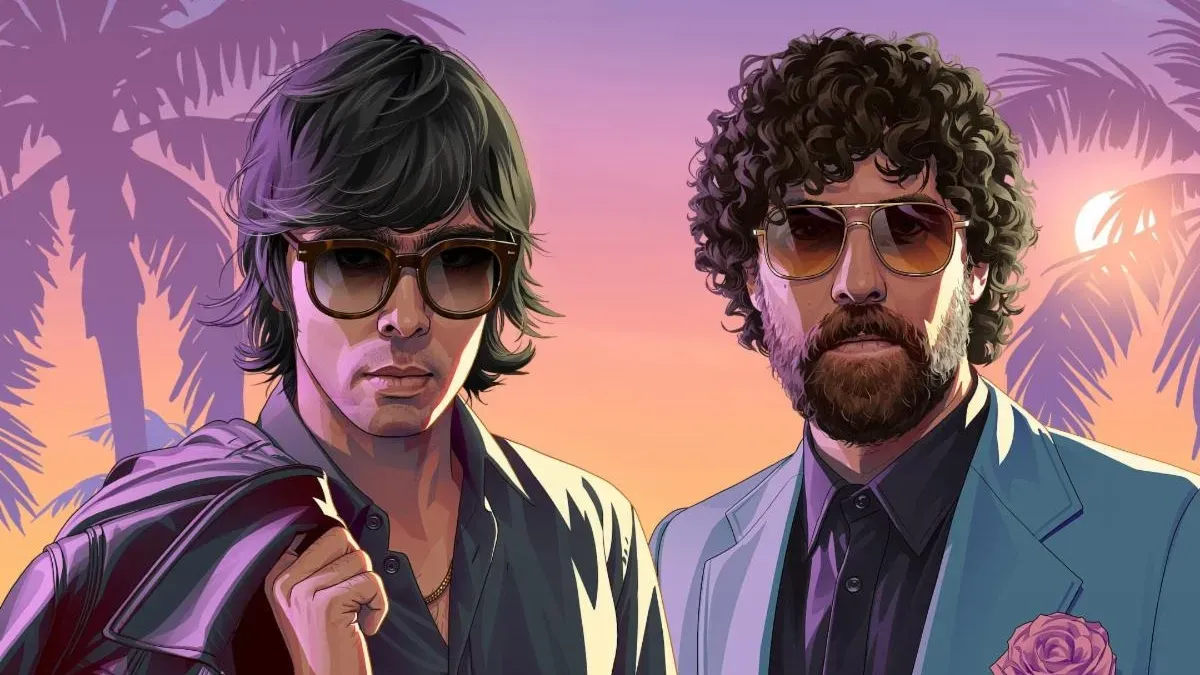
Justice to Score GTA 6, Share New Song with Tame Impala, SZA, King Gizzard
Rockstar taps the French duo for the GTA VI score, and the first taste is a genre-melting collab with Tame Impala, SZA, and King Gizzard & The Lizard Wizard.