
ASA cracks down on fake portable air conditioners after ads promised rapid room cooling
Regulator says claims for “small devices” cooling rooms fast were too good to be true. Here’s what to watch next.
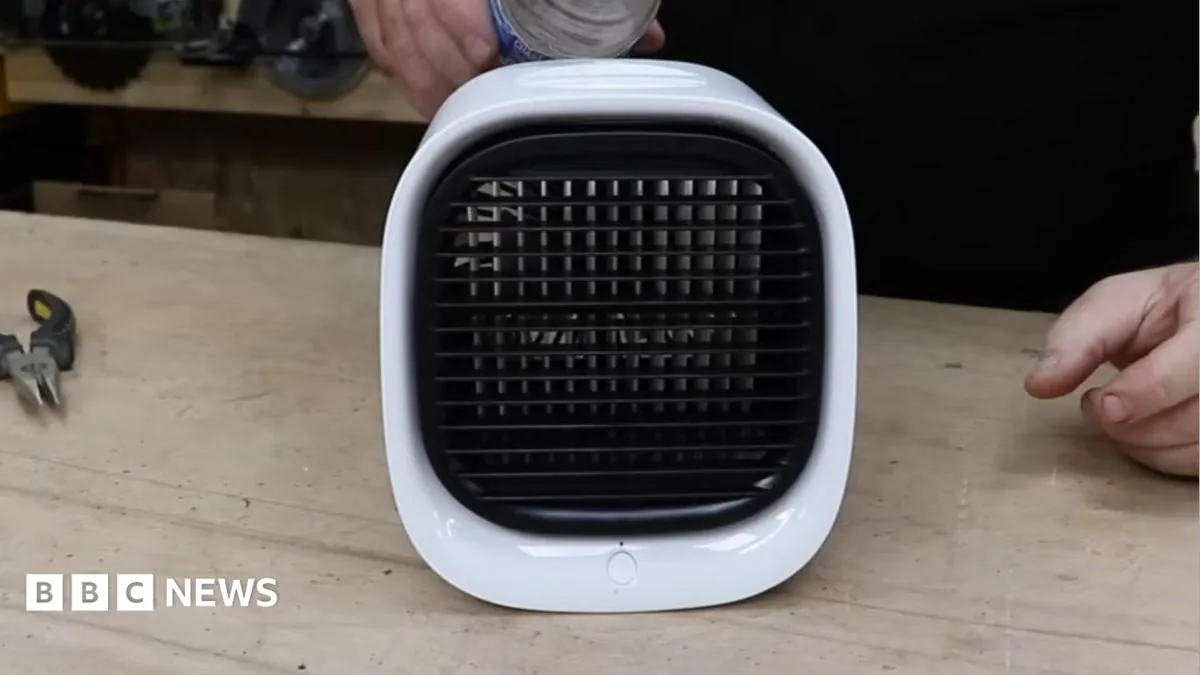
The UK Advertising Standards Authority (ASA) says adverts claiming small portable air conditioners could rapidly cool rooms were too good to be true. For decision-makers, the ruling is a reminder that comfort-products marketing is getting scrutinized, and compliance risk can hit fast.
The UK Advertising Standards Authority (ASA) has stepped in after ads for “portable air conditioners” promised a level of cooling speed that the regulator says was simply too good to be true. In other words: the internet may have been shopping for instant relief from heat, but the claims behind the products did not pass muster.
That ASA assessment matters because it targets a specific pattern the market has been seeing: small devices marketed as if they can rapidly cool an entire room. The regulator’s bottom line is the key fact readers should take from this story. When the ASA calls advertising claims “too good to be true,” it is effectively telling consumers and competitors that the promotional physics do not add up.
To understand why this matters, zoom out from the particular adverts to how the air-comfort category sells itself online. Portable cooling products live at the intersection of two strong consumer incentives. First, people want immediate comfort, especially during hot spells and after a long stretch of energy price pressure. Second, the category has plenty of variation in performance, from legitimate spot-cooling to approaches that rely on how a room is arranged, how air moves, and how long you run a device. That mix makes it easier for marketing to overpromise, because customers tend to judge by the promise of a feeling, not by technical specs.
Online advertising supercharges that gap between expectations and reality. Short-form video and “in 90 seconds” style messaging compress the experience into a headline claim. But regulators do not grade content by vibes. They look at whether the ad’s performance statements can be substantiated and whether they mislead consumers about what the product can do. When the ASA says a claim crosses the line, the consequence is not only reputational. It can also affect ad placement, campaign continuity, and how other brands in the same niche phrase their own benefits.
This is also a compliance story, not just a consumer-protection story. Boards and executives often treat advertising risk as something for legal or marketing teams to handle in the background. But ASA findings can become a governance issue when they force changes mid-campaign, trigger internal escalations, or require rapid rework across creative, landing pages, and product listings. In fast-moving consumer electronics and home comfort, marketing and operations are tightly coupled. If you have inventory and distribution lined up, a corrected claim can change demand patterns quickly, which then ripples into forecasts, procurement planning, and customer acquisition costs.
There is a second-order effect too: once regulators spotlight a specific type of claim, competitors feel pressure to prove they are not in the same bucket. Even if a rival product performs better, the market tends to hear “portable cooling that works fast” as one category-wide promise. That can raise the bar for substantiation across the segment. Executives should expect more scrutiny of cooling rate language, “room” scale claims, and any implication that a tiny device can replace traditional cooling expectations.
Finally, there is the customer trust angle, which shows up in metrics that boards actually care about. Misleading performance claims can drive return rates, negative reviews, chargebacks, and churn. That is not just bad brand hygiene. It can undermine the unit economics of customer acquisition, especially in e-commerce where the path from ad click to purchase is tight and where customer service load is immediate. In other words, the cost of an overpromise is often paid twice: once in legal and marketing friction, and again through customer outcomes.
The ASA’s decision here is a clear signal for any executive operating in consumer tech, home appliances, and anything that promises comfort or physical transformation. If you market speed, scale, or “instant” outcomes, you should assume someone, somewhere, will test whether the claim matches reality. The strategic stakes are simple: protect the brand by tightening claims before the regulator does, and protect revenue by ensuring the product experience can support the promise you put in front of customers.
This story's Key Insights and Take-aways are locked.
Create a free account to unlock Executive Actions for one credit.
Register to UnlockAlways free for Executives Club members. Join the Club
More in Technology

Google quietly links your phone number to every Android account on your SIM
Adding a SIM now ties your phone number to all Google accounts - and future accounts inherit it. Here's the security and privacy stakes.

Hijacker AI 'Skynet mode' runs 100,000 attack steps against exposed models
Symantec caught a criminal AI agent that borrows other models, steals data, and mines crypto; the only relief is no confirmed victims yet.

Nvidia's AI-financier shift faces its first big test as neoclouds stumble
A rout in neocloud stocks is forcing investors to weigh Nvidia's hidden exposure as both supplier and lender to the AI buildout.